
Cost and insurance
Does Homeowners Insurance Cover Water Damage in Florida?
By Dal Beggs, founder and owner of 1 Call Restoration. Published November 1, 2026. Updated November 1, 2026.

It depends on your policy: homeowners insurance and water damage in Florida turn on your wording and the cause of the water. In general terms, the Florida Office of Insurance Regulation says most homeowners policies do not cover flooding, and policy forms address plumbing and appliance water separately. Your policy and your adjuster decide. We do not interpret policies.
What do Florida regulators actually say?
They speak in general terms, and they point you back to your policy. OIR's flood page says most homeowners and business policies do not cover flooding, and that flood coverage must be bought separately. Its homeowners page describes what different forms tend to do. For an HO-2 policy it lists accidental discharge or overflow of water or steam among named perils.
So the question has two halves: what was the cause, and what does your form say about that cause? The first half is a matter of facts on the ground. The second is reserved for your insurer, and your adjuster makes that call for your claim.
Flood sits apart from both, and our post on flood and water damage coverage explains how the definitions differ.
Need the damage measured and recorded? Call us
Open 24 hours for emergencies. Non-emergency calls are best between 7am and 7pm.
- 5.0 on Google, 8 reviews
- Family owned since 2020
- Calls go straight to the owner
- Free assessments and estimates
Where the water came from changes who you ask
Sort your loss by source first. The table does not tell you what your policy pays. It tells you what general sources say and who can give you a real answer.
| Water source | What general sources say | Who to ask |
|---|---|---|
| Rising water, storm surge | OIR: most homeowners policies do not cover flooding | Your flood insurer, if you have one |
| Burst pipe or supply line | OIR lists accidental discharge in its HO-2 description | Your homeowners insurer |
| Appliance or water heater failure | Depends on form and endorsements | Your homeowners insurer |
| Sewer or drain backup | DFS: not part of flood coverage without flood damage at the same time | Your agent, about any endorsement |
| Slow leak over weeks | Often addressed in seepage wording | Your insurer or a public adjuster |
| Roof leak in a storm | Depends on wording and cause | Your insurer |
Why do some Florida policies cap water damage?
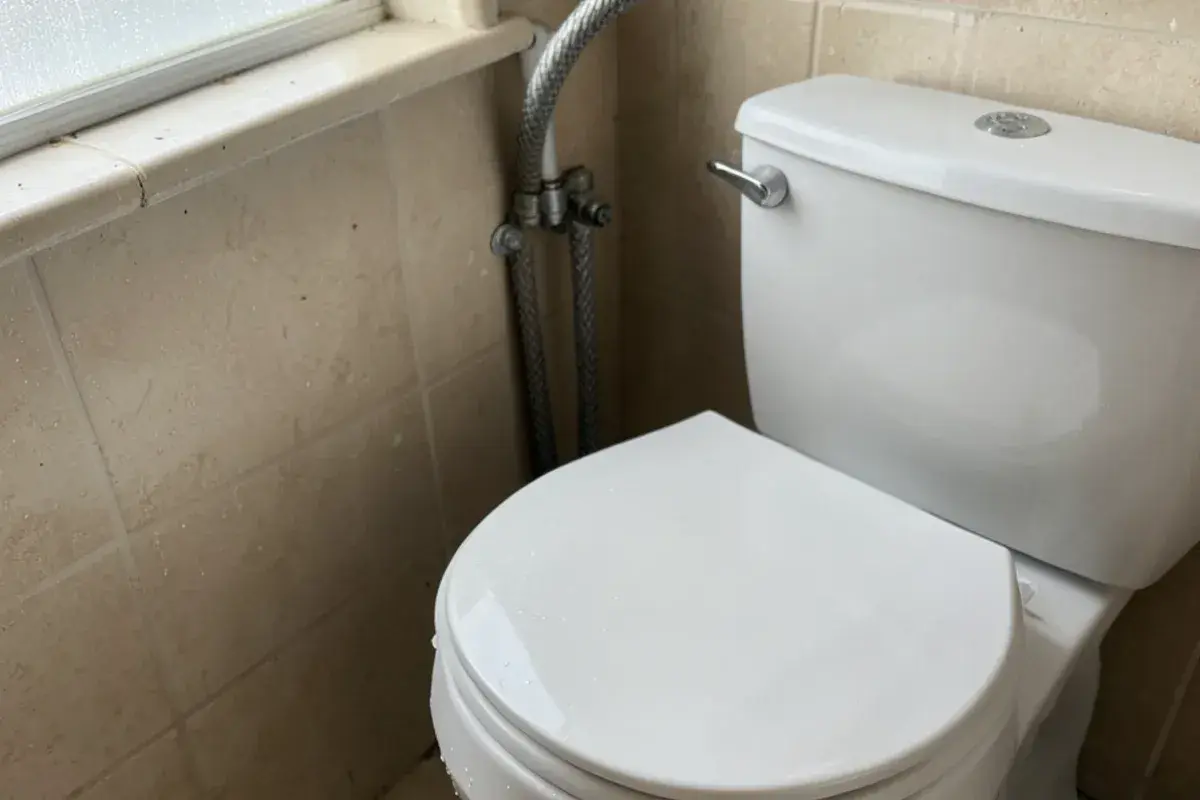
Some Florida policies add a water damage exclusion endorsement or a limited water damage endorsement, which is why the word "water" on a declarations page settles very little. Florida court decisions describe endorsements that set a lower sublimit for plumbing water damage and address tear-out, the cost of opening a wall or floor to reach the failed pipe.
Florida's appellate courts have read this wording differently over time. In Security First v. Vazquez (Fifth District, February 2022), the court found one endorsement ambiguous and held that the tear-out costs were not limited by its sublimit, according to a Phelps summary. A Cole, Scott & Kissane summary says the Fifth and Sixth Districts later agreed in 2023 decisions that such endorsements are not ambiguous.
Those are general notes on how the wording has been argued, written by law firms. They say nothing about your form. Your policy wording and your adjuster decide, and a licensed public adjuster or an attorney can advise you on it.
Why does the length of a leak matter?
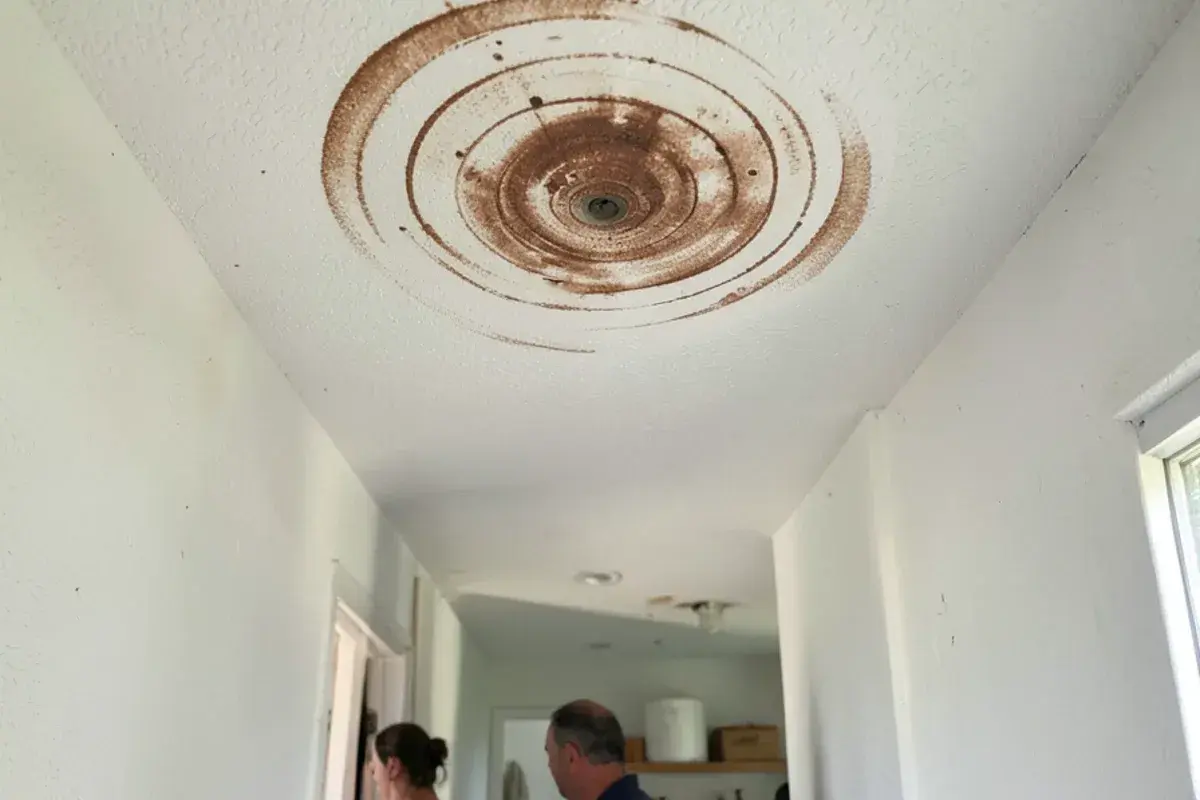
Many Florida policies carry wording about constant or repeated seepage over 14 days or more, and that makes timing part of the record. In Hicks v. American Integrity (2018), Florida's Fifth District Court of Appeal held that one such clause did not clearly exclude losses during the first 13 days of a leak. The insurer's expert had put that leak at five weeks or more. The court reversed judgment for the insurer and sent the amount of loss back for trial.
That case involved one policy and one set of facts. It does not tell you how your clause reads or how your claim will end. What it does show is why dates matter: when the leak started, when it was found and what the materials looked like then.
Homeowners insurance and water damage in Florida: what to ask your agent
Ask these before a leak if you can. Your agent can answer each one from your own forms, and we cannot.
- Does my policy carry a water damage exclusion or limited water damage endorsement?
- If there is a sublimit, what is the amount, and how does it treat tear-out?
- Is there a separate deductible for water losses?
- How does my form word constant or repeated seepage, and over how many days?
- Does it address backup through sewers or drains, and at what limit?
- Is there a limit on mold?
- Does it set a limit or an approval step for emergency work?
The answers live in your declarations page and the endorsements behind it, and endorsements can change at renewal. Citizens policyholders have one more date to check: Citizens says most new and renewing personal residential wind policies need flood coverage by January 1, 2027, with exceptions for condo unit owner, tenant contents and wind-excluded policies. Ask your agent how that reads for you.
Who can answer a coverage question?
Three kinds of people can, and we are not one of them. Florida law draws this line clearly, and it protects you.
- Your insurer or agent can explain your policy and what they will do.
- A licensed public adjuster can represent you on a claim, for a fee.
- An attorney can advise you on your rights.
The Florida Department of Financial Services also runs a consumer helpline, plus mediation for disputed claims, subject to restrictions.
Be careful with anyone who says they can get your claim paid. Section 489.147 bars contractors from interpreting policies or adjusting claims. Our job stops at the damage, and any company that says otherwise deserves a second look.
What we can do: facts on paper
We provide the records and explain our own estimate. That is the full extent of our role, and it is useful, because good records help everyone who has to decide.
Here is what you receive from us:
- Photos taken before demolition.
- Moisture maps showing where the water went.
- Daily moisture readings through the drying.
- Equipment records showing what ran and for how long.
- An itemized estimate, with each line explained.
We never negotiate with your insurer, and we never promise payment. If you decide a claim makes sense, we can go over the filing steps with you. Our insurance claim help page sets out that limit in detail, and water damage documentation shows what the records look like. If flood water is involved, see our notes on flood and storm damage for that side of the job.
What our record cannot say
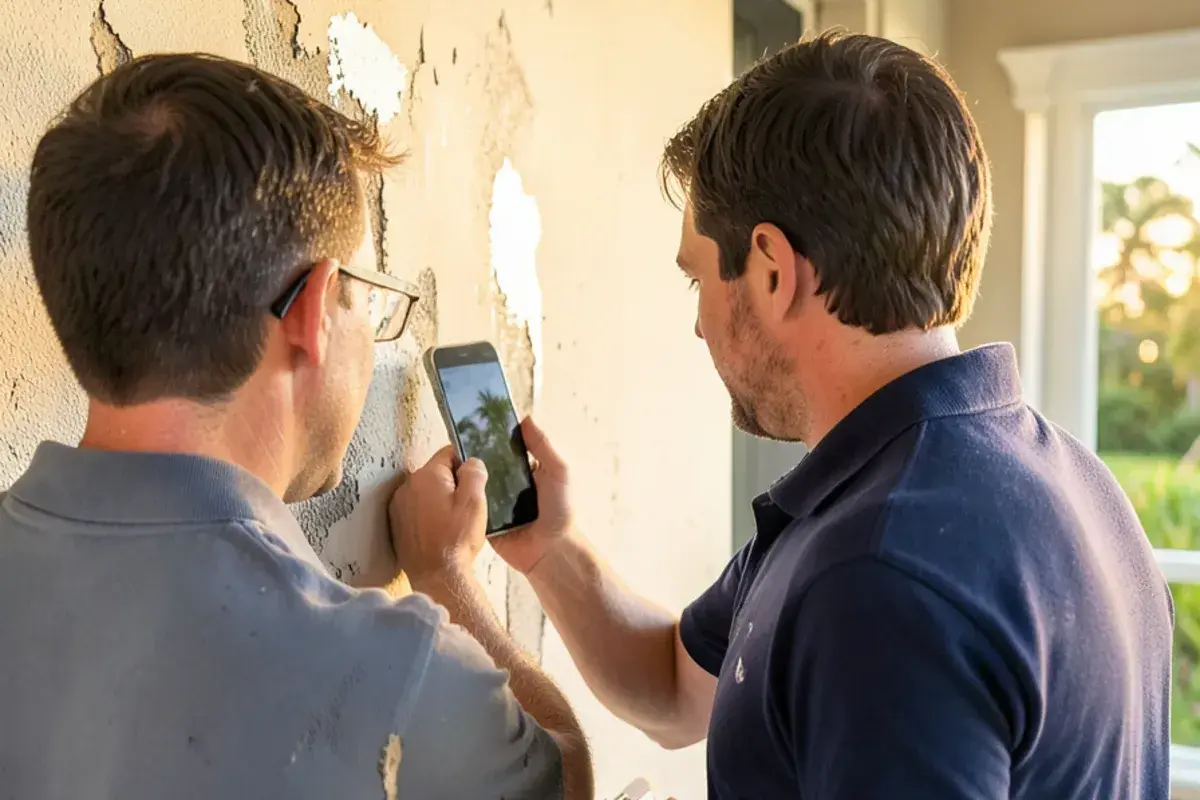
A meter shows where a material is wet on the day we read it. It does not date a leak, so treat anyone's guess at a start date as a guess. Your own evidence does that better: a plumber's note on what failed, a water bill with a jump in it, a dated photo or a text from the day you first noticed.
Keep those with the file. They are facts, and your adjuster decides what they mean. Our filing guide covers the steps, and our notes on what changed in Florida's claim rules cover the deadlines.
Records matter more with aging plumbing
Older plumbing tends to leave a longer trail, and that is where good records earn their keep. In established communities like St. Augustine Shores, a failed line can sit behind a vanity or under a floor before anyone notices. A clear record of when it was found and how far it reached gives your adjuster facts instead of guesses.
Call us once the water is stopped. Our assessment and estimate are free whether or not you ever file a claim, and nothing about them depends on your insurer. We will measure the damage and hand you the facts. What your policy does with those facts is between you and your insurer.
Frequently asked questions
Is a sewer or drain backup part of a standard homeowners policy?
That is a question for your insurer, because the answer lives in your form and any endorsements on it. Ask your agent whether your policy addresses water backup through sewers or drains, and what limit applies. Flood policies treat it separately too. The Department of Financial Services says flood coverage does not include sewer backup unless the property is damaged by flood at the same time. Ask before you need it.
How does water damage work in a condo?
Two policies are usually in the picture, the association's master policy and your own unit owner policy, and which one responds depends on the wording and Florida condominium law. OIR notes that HO-6 unit owner policies usually do not cover flooding. Ask your association manager and your agent where the line sits for your building. We can document what is wet and where, but we do not decide who pays.
Can a restoration contractor tell me whether I am covered?
No, and in Florida a contractor should not try. Section 489.147 of the Florida Statutes bars a contractor from interpreting policy provisions, advising on coverage or duties, or adjusting a claim unless licensed as a public adjuster. A contractor can recommend that you contact your insurer and can explain its own bid. Coverage questions go to your insurer, a licensed public adjuster or an attorney.
Need photos, moisture logs and an estimate? Call us
Open 24 hours for emergencies. Non-emergency calls are best between 7am and 7pm.
- 5.0 on Google, 8 reviews
- Family owned since 2020
- Calls go straight to the owner
- Free assessments and estimates
1 Call Restoration, Saint Augustine, FL. (208) 464-4194.
Related services: Insurance Claim Help, Water Damage Documentation, Flood and Storm Damage. Serving St. Augustine Shores and the rest of our service area.
Sources
- Florida Office of Insurance Regulation, Flood Insurance
- Florida Office of Insurance Regulation, Homeowners Insurance
- Florida Department of Financial Services, Flood Insurance Coverage FAQs
- Hicks v. American Integrity Insurance Company of Florida, Fifth District Court of Appeal, 2018
- Florida Statutes, Section 489.147
- Phelps, Florida Appellate Court Finds Water Damage Sub-Limit Ambiguous (April 2022)
- Cole, Scott & Kissane, Series of Appellate Wins in Florida's Fifth and Sixth District Courts of Appeal
- Citizens Property Insurance, Flood Insurance Requirement