
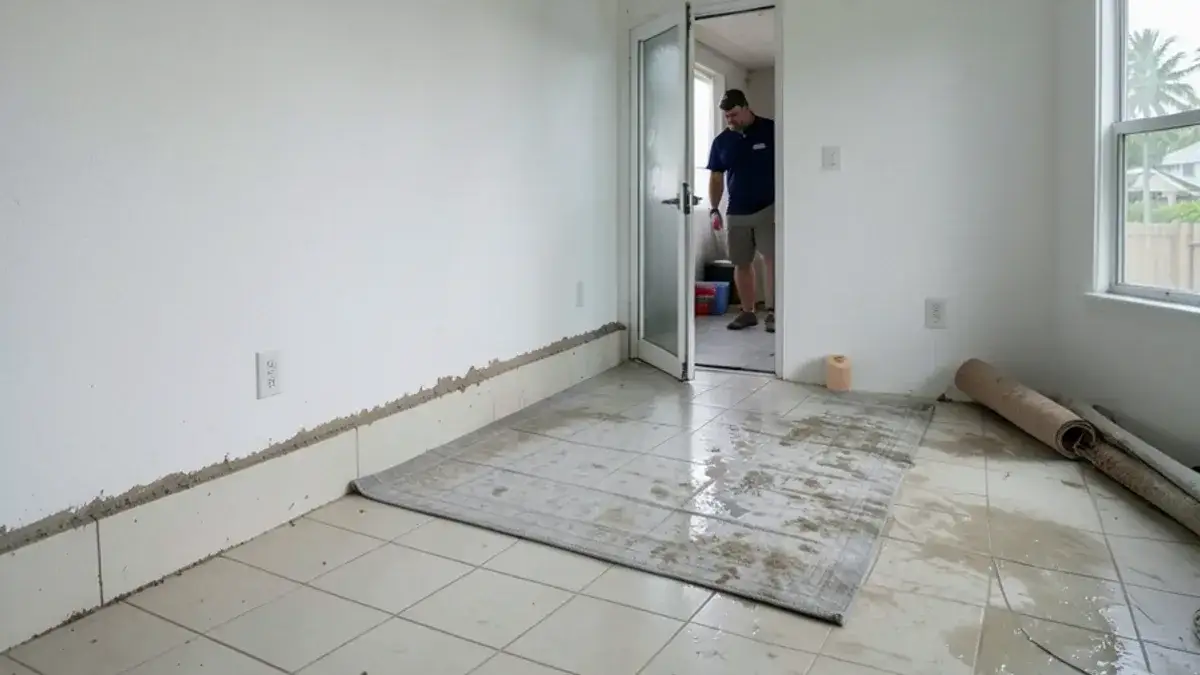
How do you tell flood and storm damage from an ordinary leak?
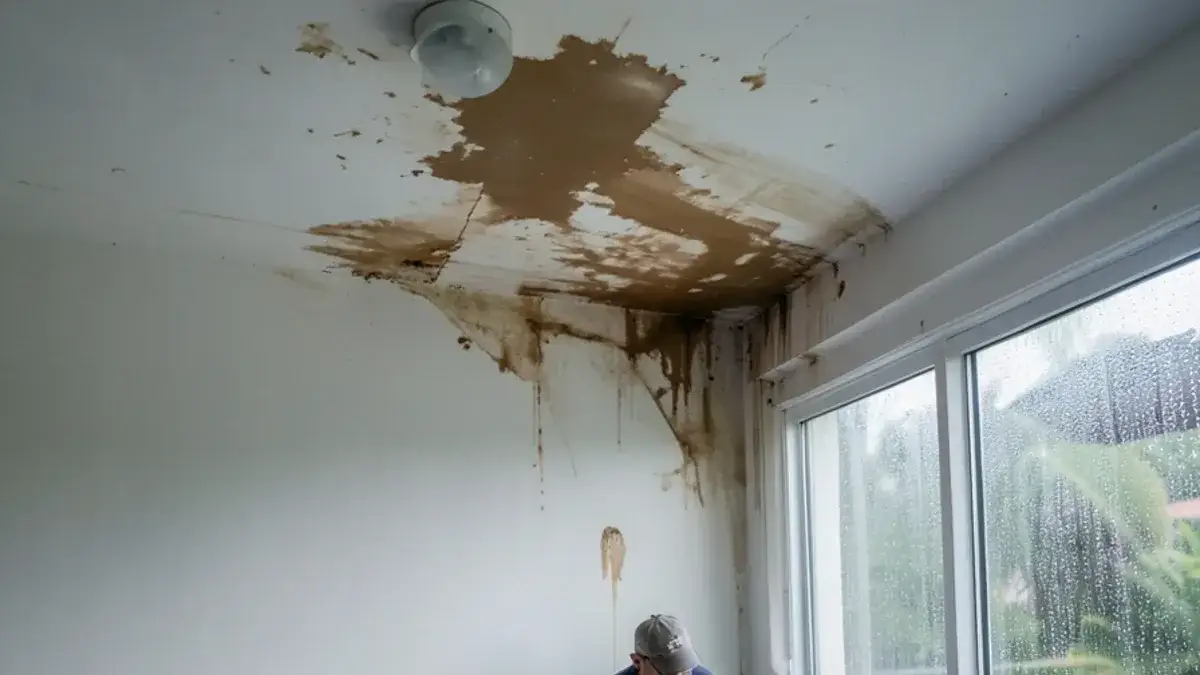
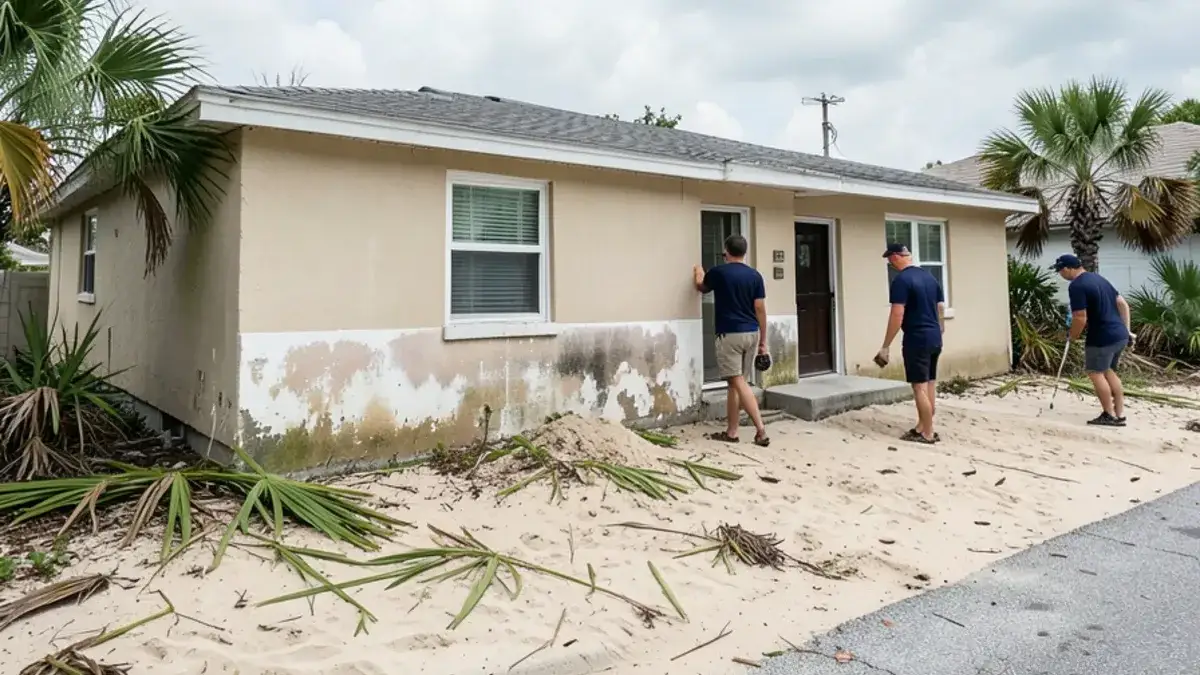
Check where the water came from. If it rose through a door, a slab joint or a low wall, or if rain drove in during a storm, treat the job as flood or storm damage and stay out of it until you know more. A silt line is the clearest sign.
Look for these before you touch anything:
- A pale line of silt or debris on walls and door frames
- Carpet wet from the exterior wall inward
- A smell of river mud, fuel or sewage
- Baseboards swelling along outside walls
- Wet insulation behind drywall that looks dry
Each of these changes what we pull and what we dry. Photograph them first, because the marks fade as the house dries.
Why water reaches St. Augustine homes
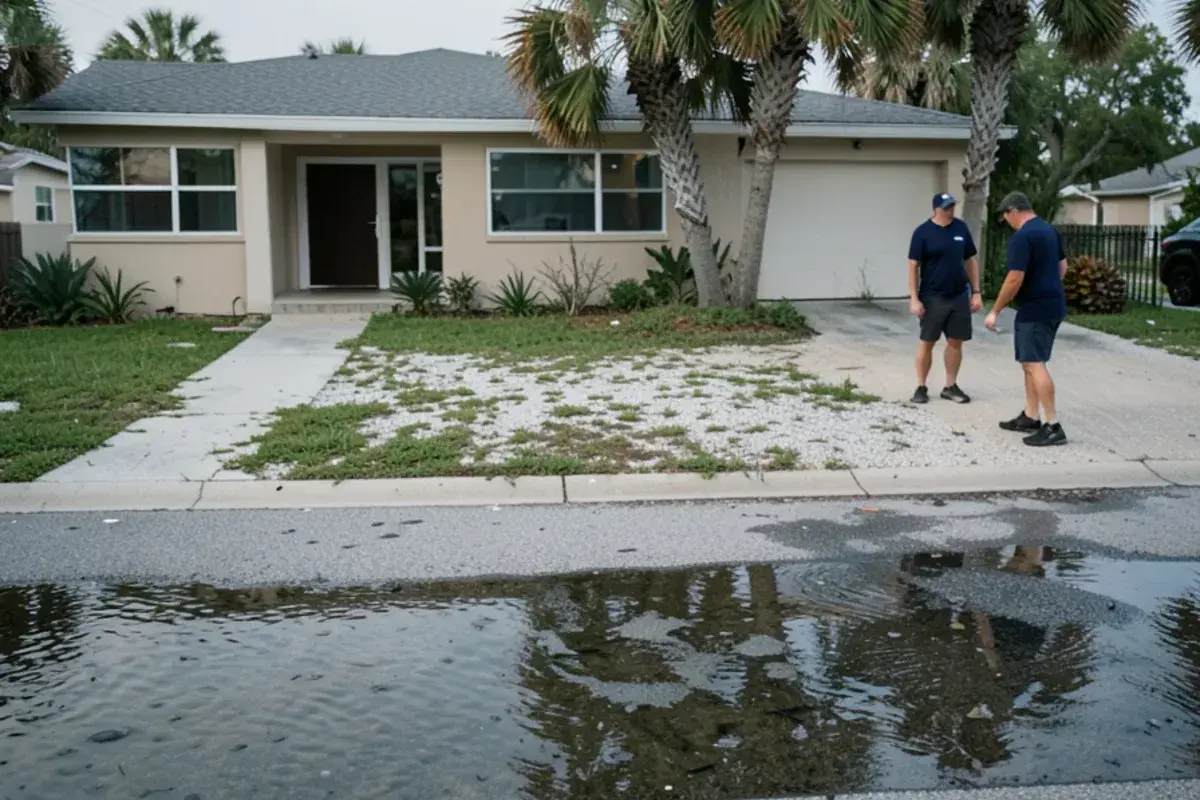
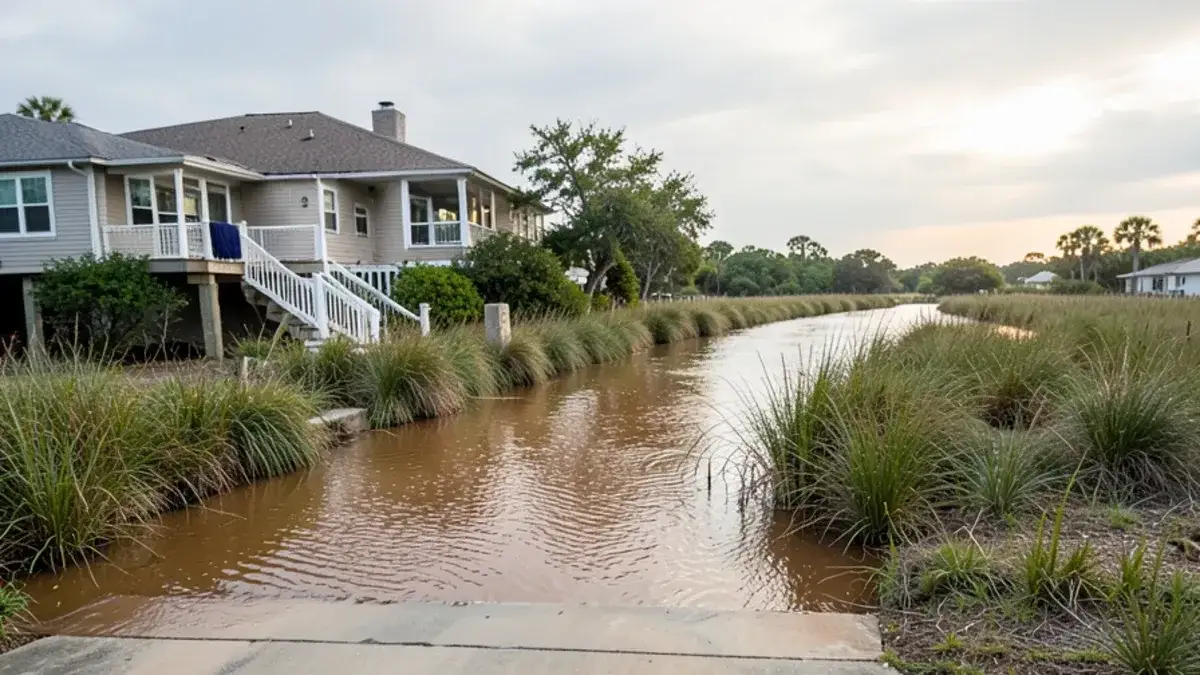
Most flooding here comes from water with nowhere to go. The county's floodplain office names heavy rain in short periods and seasonal high tides as the main causes, with tidal surge in coastal storms as the greatest threat.
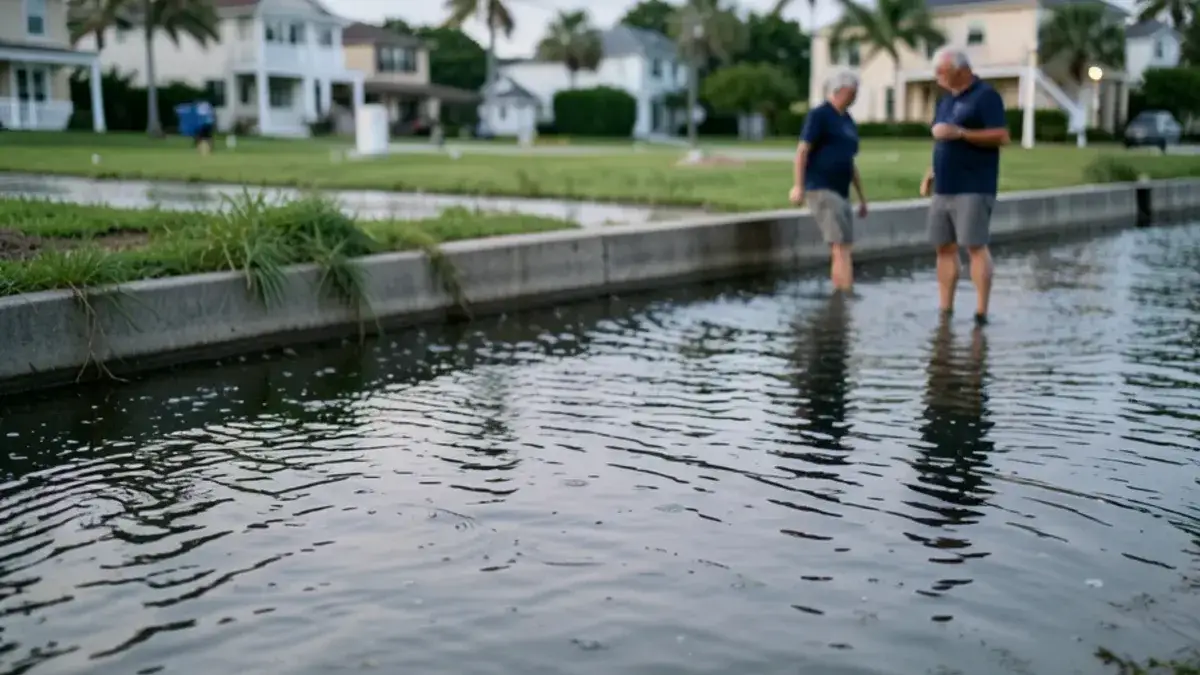
Recent storms show the pattern. In October 2024, Hurricane Milton sent the Matanzas River over the seawall into downtown, and News4Jax reported water at least half a mile inland, with more than five feet of water south of State Road 206 near Hastings and Flagler Estates. In October 2025 a nor'easter closed King Street and Bridge Street. The National Weather Service projected high tide nearly three feet above normally dry ground, and storm drains filled until pressure lifted manhole covers.
So the risk is not only on the beach. River neighborhoods, low streets near the San Sebastian River and western farm country each flood in their own way.
Storm, hurricane or sewage: which service fits?
Start with the source, because each one runs differently. These three services sit under this page:
- Storm damage restoration covers wind-driven rain and water that came through the building envelope.
- Hurricane damage cleanup covers surge, long outages and the priority decisions after a major storm.
- Sewage cleanup covers backups through drains and toilets, on sewer or septic.
Not sure which one you have? Call and describe it. The water tells us most of what we need.
What every flood and storm job includes
The core scope stays the same whichever service your loss falls under. Only the safety steps and the amount of tear-out change. Tide and surge water also leave salt behind, and salt keeps pulling moisture from the air, so surfaces get cleaned before we judge the drying finished.
- Extraction of floodwater, silt and debris
- Removal of carpet, pad, insulation and drywall that took Category 3 water
- Cleaning and disinfection, with antimicrobial where needed
- Closed-room drying with air movers and LGR dehumidifiers
- Daily moisture logs, photos and an itemized estimate
- A put-back plan once readings reach the dry standard
Water came in from outside? Talk to the owner now
Open 24 hours for emergencies. Non-emergency calls are best between 7am and 7pm.
- 5.0 on Google, 8 reviews
- Family owned since 2020
- Calls go straight to the owner
- Free assessments and estimates
Request a free estimate
Not an emergency? Send the details and we will call you back. If water is still moving, call instead.
What we do on a flood job, in order
We work the job in a fixed order, because every later step depends on the one before. You get the plan in writing before heavy work starts.
- Make it safe. We check for electrical and structural hazards and confirm the source has stopped.
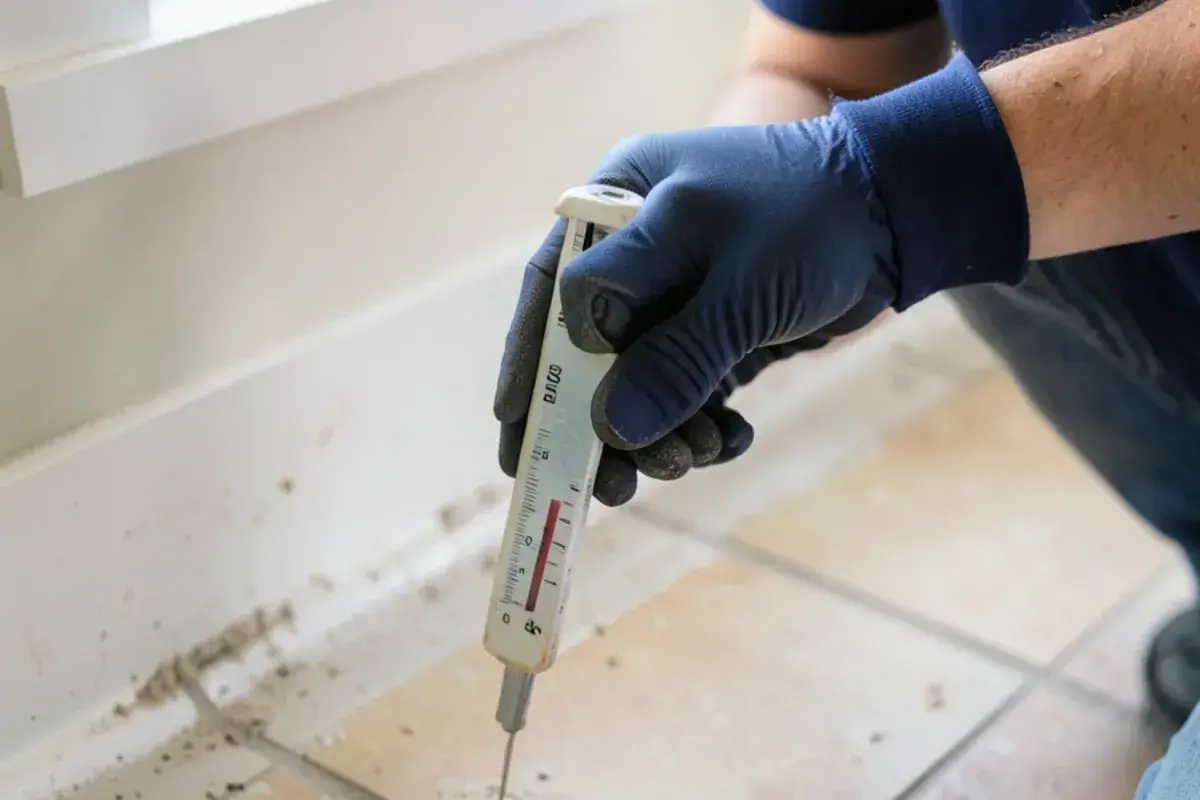
- Document and classify. We take photos before demolition and start the moisture map with meters and thermal imaging. Floodwater is Category 3 unless the facts say otherwise.
- Extract. Pumps and extractors remove standing water, then water extraction continues through carpet and pad.
- Remove. Unsalvageable carpet, pad, insulation and wet drywall come out, with a flood cut where walls took water.
- Clean. We clean surfaces and apply antimicrobial where needed, with containment and HEPA air scrubbers running.
- Dry and verify. We close the rooms and start air movers and LGR dehumidifiers. Structural drying continues, with daily readings logged, until affected materials match unaffected materials in the same home.
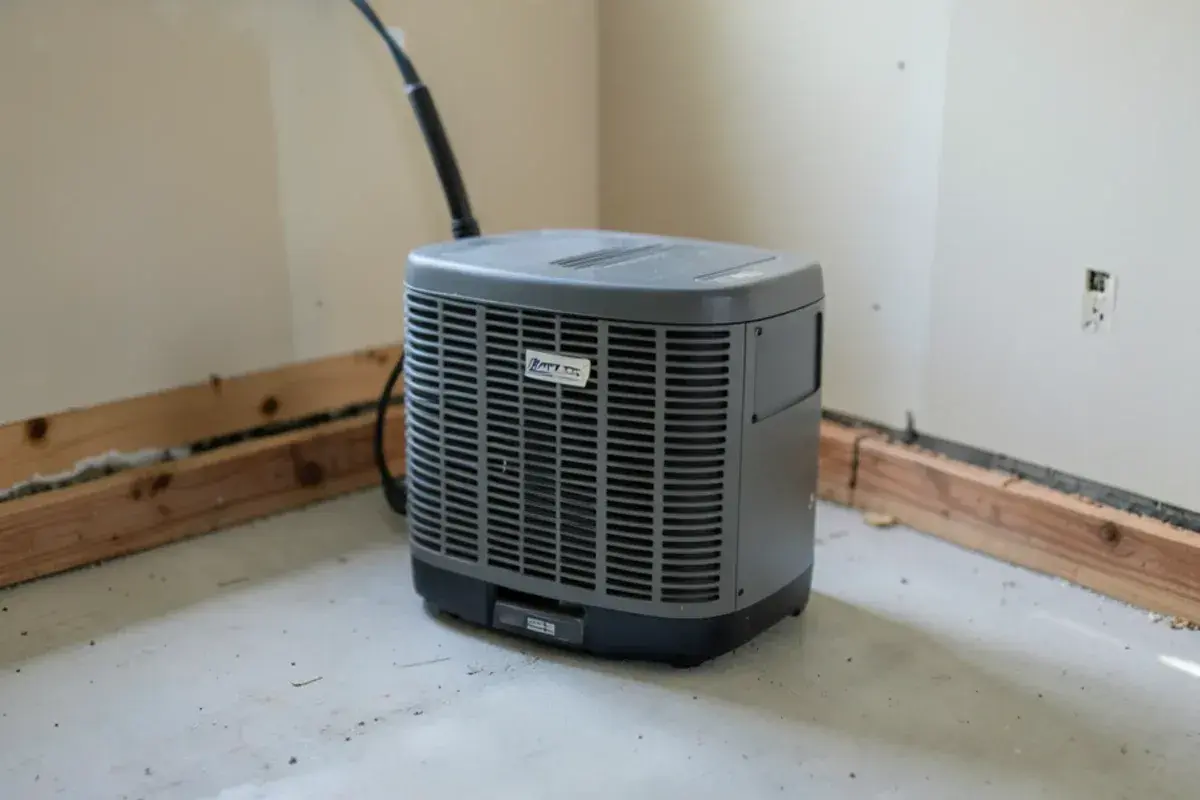
After drying, we organize the put-back work: what gets replaced, in what order and by whom. Structural rebuilding belongs with a suitable licensed contractor. The permit comes from the company doing the permitted work.
Dry in place or tear out? The trade-offs
Tear-out is a judgment call on every material. Keeping more saves put-back cost but takes longer and carries more risk after contaminated water, so we decide from readings and the water category.
| Material | Usual call after Category 3 water | The trade-off |
|---|---|---|
| Carpet and pad | Remove | Fast and clean, but flooring must be replaced |
| Drywall and insulation | Flood cut above the wet line | Opens the wall to air, adds repair work |
| Concrete block walls | Clean and dry in place | Saves the wall, but block gives up water slowly |
| Tile on slab | Clean and disinfect | Grout and slab may hold moisture for days |
| Hardwood | Decide from readings | Some boards recover, others cup past saving |
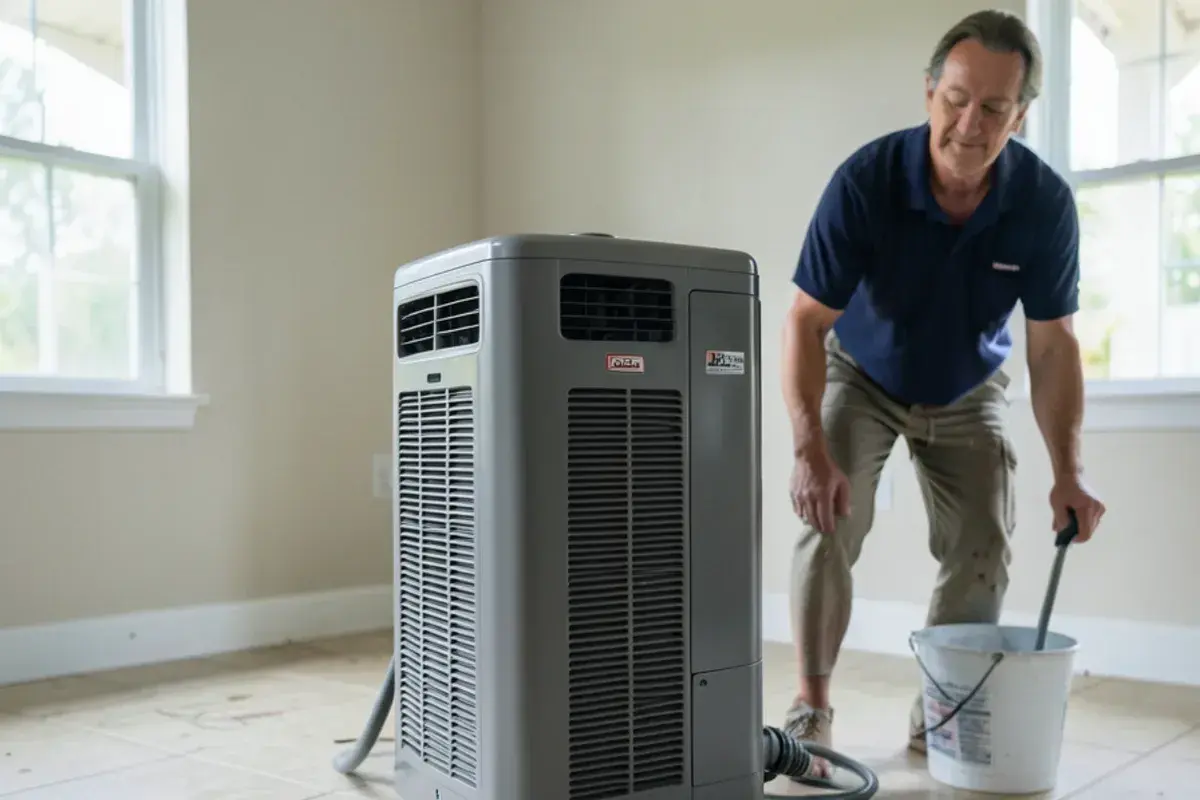
Keep windows closed during drying. Florida air is already humid, so open windows slow the job and feed mold after water damage.
Flood zone rules that shape the repair
Check your zone before you plan the rebuild. St. Johns County regulates development in the Special Flood Hazard Area, including Zones A, AE, AH, AO and VE, and any floodplain development needs a construction permit.
The rule to know is substantial damage. The county defines it as restoration costing 50 percent or more of the structure's market value, and repairs then must meet the same requirements as new construction. FEMA says local officials make that call, not FEMA, and land value is left out. The City of St. Augustine adds that a substantially damaged home must have its finished floor and home-servicing machinery at or above the design flood elevation, and it sends the determination to owners by letter or email.
Inside city limits, the storm recovery permitting guide says removing wet materials needs no permit, while storm repairs including drywall do. The department has the final word, so confirm your job with it.
Flood premiums follow a local rule too. The county reports a Class 5 Community Rating System standing, worth 25 percent on National Flood Insurance Program policies. The City reports Class 4, worth 30 percent on most policies issued or renewed since April 1, 2026. Your declaration page shows which applies to you.
Ask any company for its license number and check it on the DBPR site, ours included.
What moves the price of flood cleanup
The price follows the water, the wet area and the time on equipment. We assess the damage and give you an estimate at no charge, with no high-pressure sales, and you decide from there.
- Water category and how long it sat
- Square footage and number of rooms
- Linear feet of flood cut and material removed
- Equipment days for air movers and dehumidifiers
- Contents handling and disposal
Two local conditions add to those lines. A higher silt line means a higher flood cut, and salt from tide or surge water adds a cleaning pass. If the home crosses the 50 percent test, the put-back can outgrow the cleanup, so get the zone answer before anyone orders materials.
Your file from us holds the before photos, the moisture logs, the equipment record and an itemized estimate. Ask about any line of our estimate and we will walk through it. Coverage is a question for an attorney, your insurer or a licensed public adjuster.
Why call 1 Call, and where we work
Homeowners call us for flood work for plain reasons:
- Family owned and operated, founded in 2020 by Dal Beggs, who runs it with his son
- Calls go straight to the owner
- Moisture readings every day, so you see the job's progress in numbers
- A written scope before heavy work starts
We serve St. Johns and the neighboring counties of Flagler, Putnam, Duval, Clay and Volusia. That includes low-lying and coastal areas such as St. Augustine Beach, Vilano Beach, Butler Beach and inland Hastings. If you live on a barrier island or near the river, plan for flood-prone roads to close around high tide, and tell us what you are seeing on the phone.
Prevention starts before the next storm. Look up your zone, keep flood vents clear, and move valuables off the floor in low rooms before a tide or storm event.
What customers say
5.0 stars on Google from 8 reviews. Quoted as written.
“Highly recommend Dal and his team at 1 Call Restoration - great locally owned company. We had a pipe burst that flooded parts of our home - it was such a stressful situation for our family. Dal and his team were amazing through the whole process. They helped us get everything cleaned up and even helped us as we worked with our insurance. Super thankful for their expertise, quality work, responsiveness, and professionalism.”
“I needed a second opinion on my water damage cleanup but about 5 minutes after Dal showed up I realized I should have contacted 1 Call FIRST. They immediately got to work drying out my house and explained everything so well which helped relieve so much of the anxiety I was feeling. The communication and work was all top notch. HIGHLY RECOMMEND!”
“Very impressive service. Dal and his team responded to our call immediately and were out the same day to begin the remediation process. Would highly recommend 1Call Restoration.”
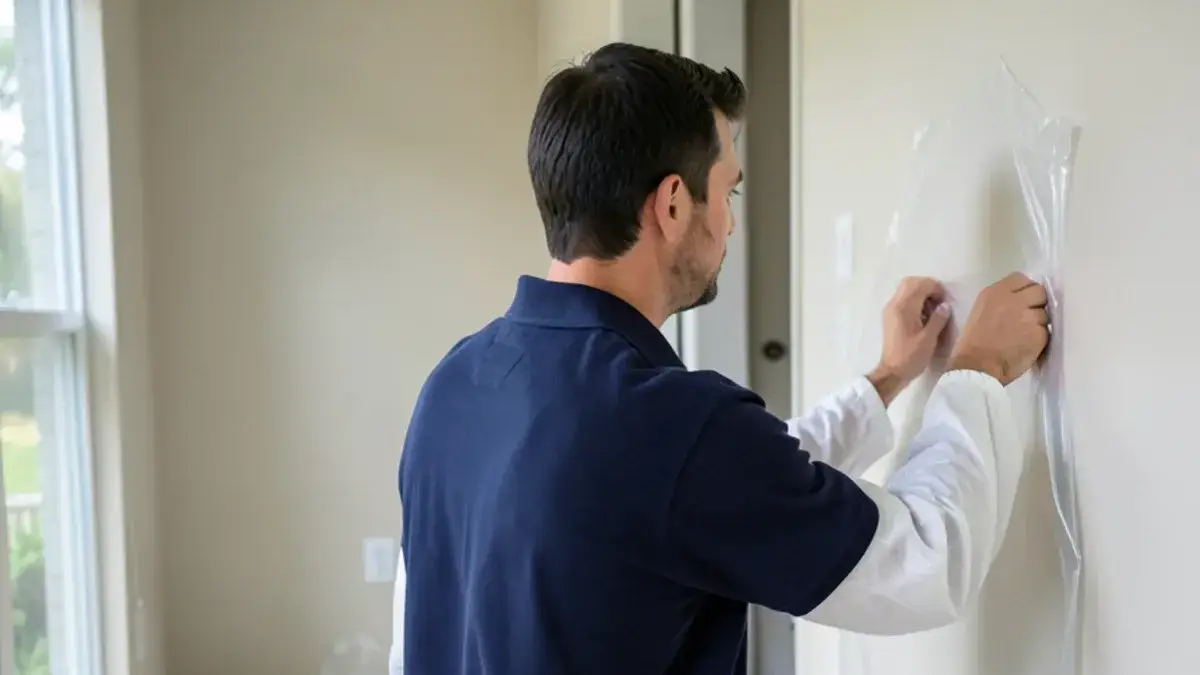
Inside flood and storm damage
Frequently asked questions
How long does a flooded St. Augustine house take to dry out?
Drying follows readings, not a calendar, so we give a projection after the moisture map and update it daily. Block walls, thick slabs and humid August weather all slow the job. Removing wet carpet, pad and drywall early usually shortens it. Equipment leaves when affected materials match the reading of unaffected materials in the same home.
How do I find my flood zone in St. Johns County?
Use the county's Flood Zone Viewer and search by address or parcel. It shows whether the property sits in a Special Flood Hazard Area. The county floodplain office also issues flood zone letters at no fee. Do this before planning repairs, because the zone decides whether the 50 percent substantial damage rule applies to your home.
Why is rising water treated differently from a pipe leak?
Rising water has crossed yards, streets and storm drains, so the CDC warns it can carry sewage, chemicals and sharp debris. A supply line leak starts clean. That difference changes the scope. Porous materials touched by floodwater usually come out and surfaces get cleaned and disinfected, while clean water jobs can often dry more in place.
Can furniture that sat in floodwater be saved?
Yes for some pieces. Solid wood and metal are often worth cleaning, while mattresses, upholstery and particleboard usually are not. The EPA advises discarding items wet for more than 24 to 48 hours when they cannot be dried and cleaned. Photograph everything before it leaves the house, and keep a written list for your insurer.
Should I stay in the house while it dries?
That depends on the water and the power, so we tell you after the first walk-through. Category 3 water in living areas, no safe electrical service or missing floors are reasons to stay elsewhere until the area is clean. Air movers and dehumidifiers also run around the clock, and some families prefer to leave for the noise alone.
Does flood insurance pay for this work?
It depends on your policy, so that question belongs to your insurer, a licensed public adjuster or an attorney. Your policy wording and your adjuster decide. St. Johns County notes that most standard homeowners policies do not include flood losses, and flood policies are separate. We supply photos, moisture logs, equipment records and an itemized estimate, and we explain our own estimate.
Silt on the floor and a wet wall line? Call before you start pulling
Open 24 hours for emergencies. Non-emergency calls are best between 7am and 7pm.
- 5.0 on Google, 8 reviews
- Family owned since 2020
- Calls go straight to the owner
- Free assessments and estimates
1 Call Restoration, Saint Augustine, FL. (208) 464-4194.
Related services
Worth reading
Where we handle flood and storm damage
See all of our service areas.