
What Does Mold Remediation Actually Involve?
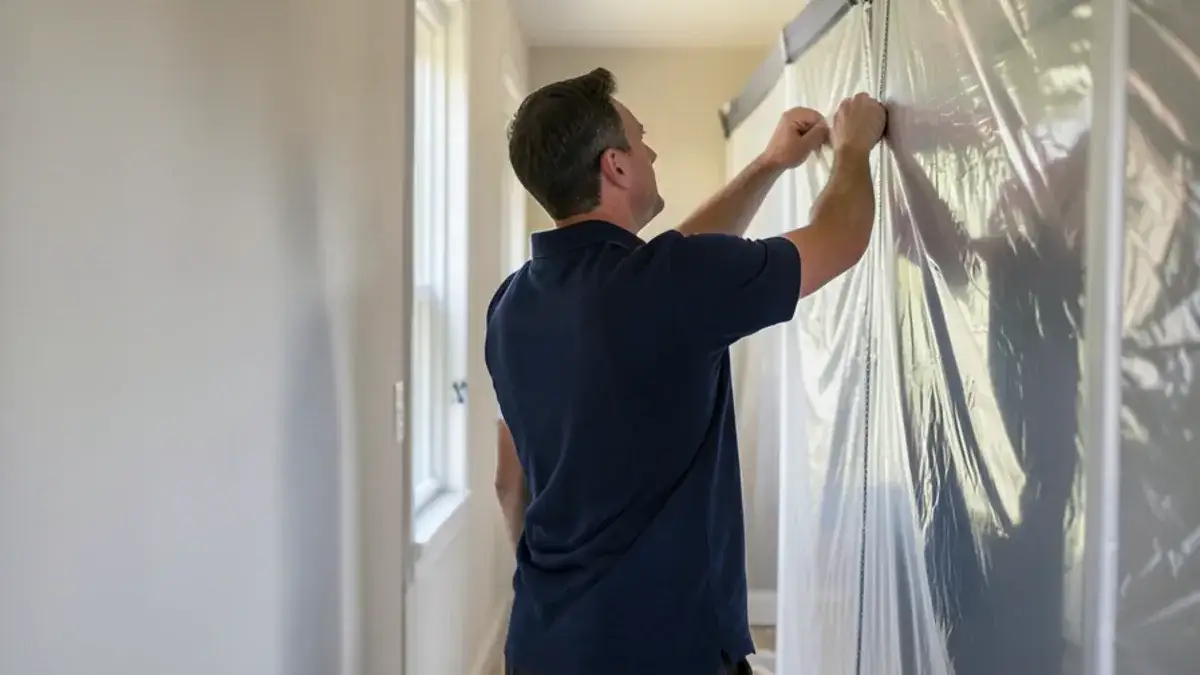
Remediation is a moisture job first and a cleaning job second. If the wet source stays, the mold returns, and EPA says the same in its home guide. So every job here starts with where the water is coming from, then moves to containment, removal, drying and a final check.
A job covers the same ground in any room:
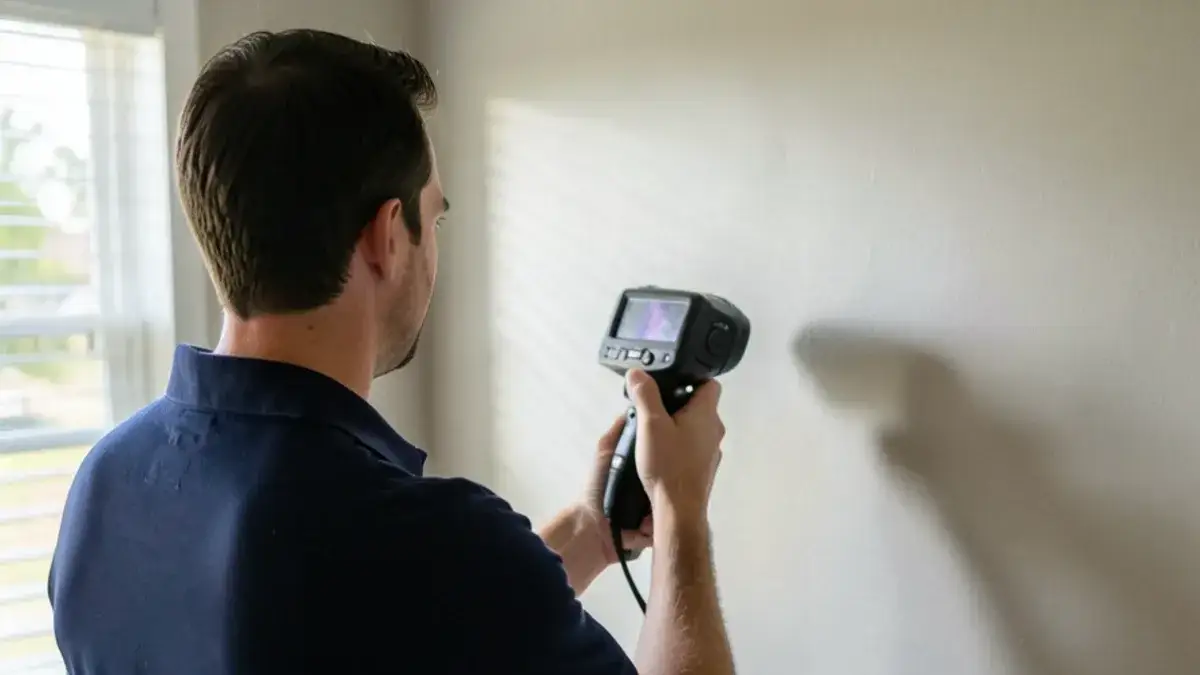
- Moisture tracing with meters and thermal imaging
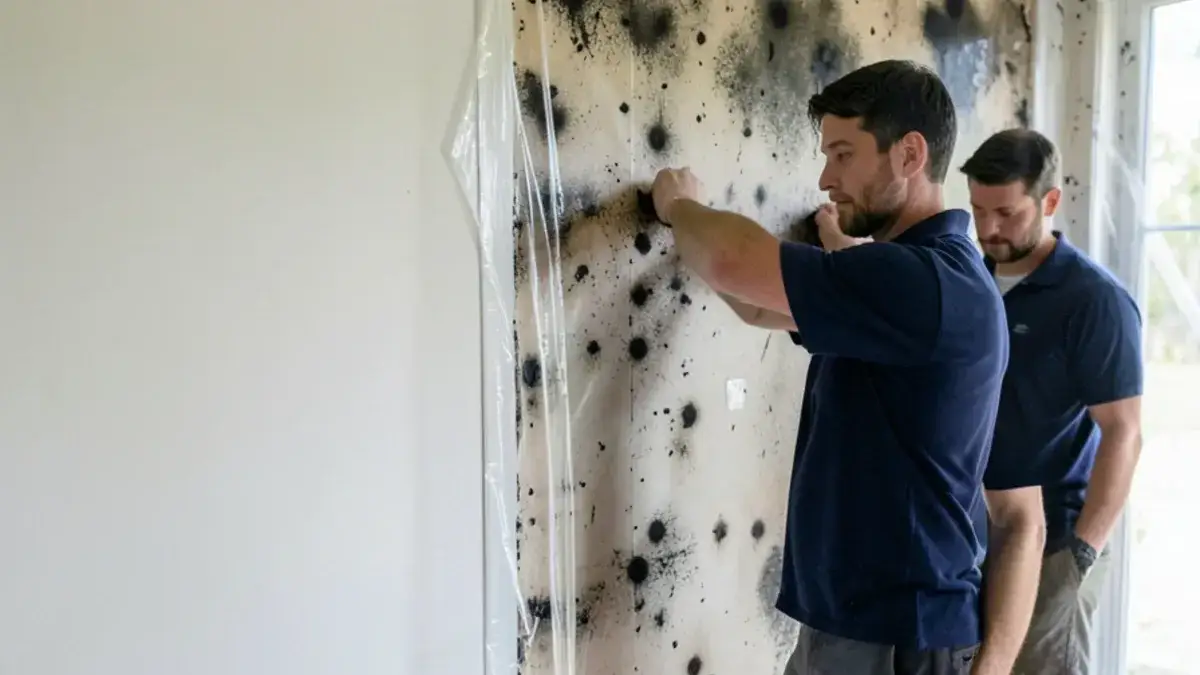
- Containment with plastic sheeting and sealed vents
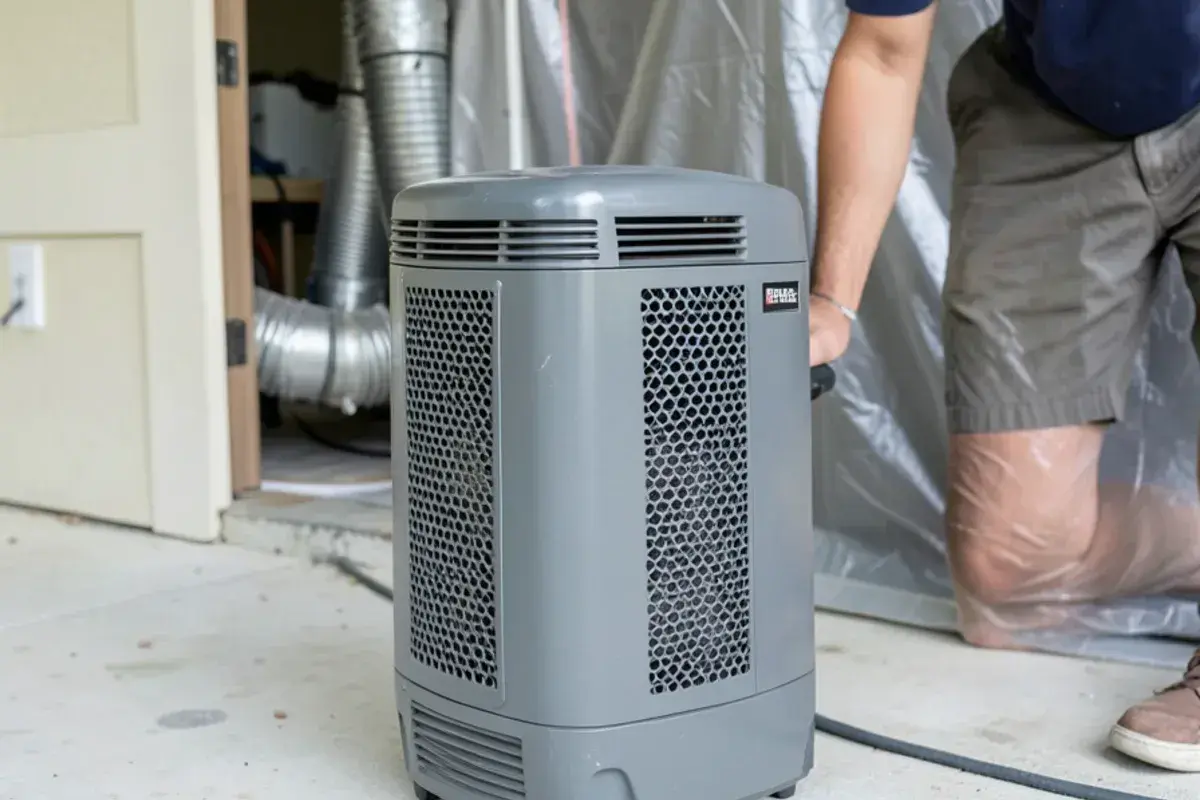
- HEPA air scrubbers running through removal
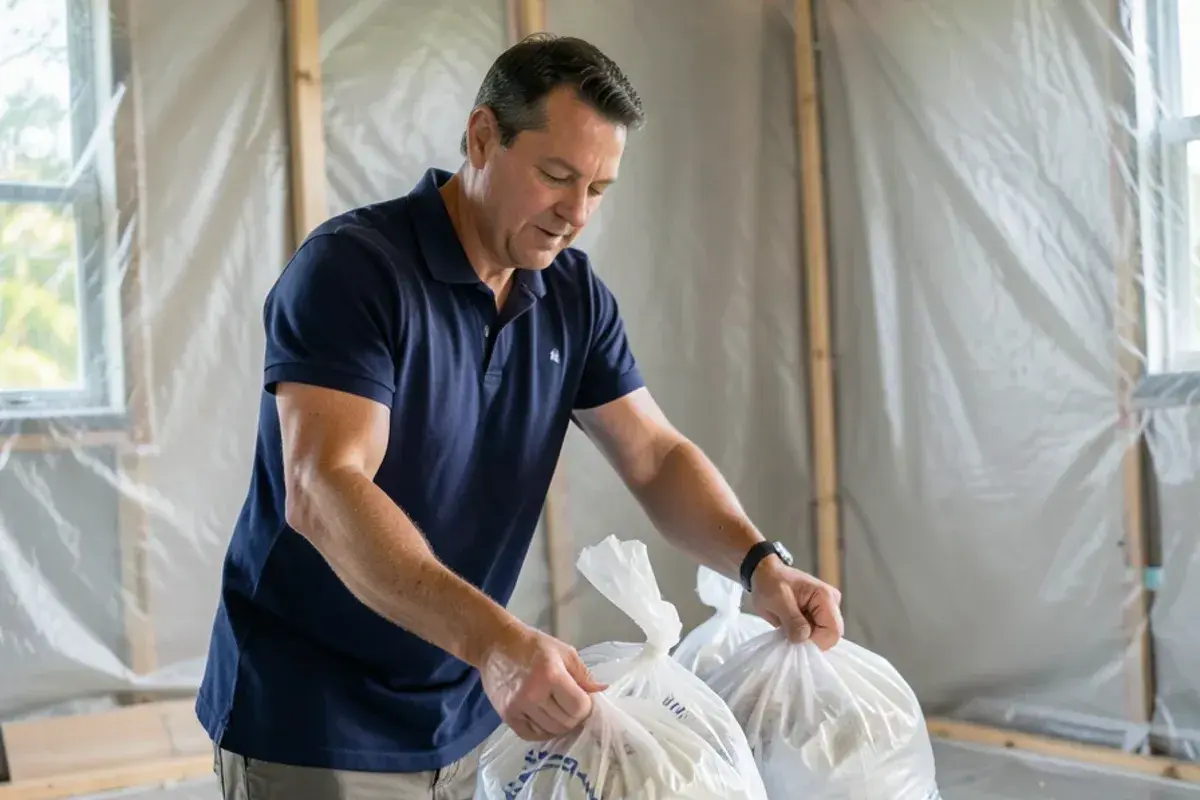
- Porous material cut out, bagged and sealed
- Hard surfaces cleaned, with antimicrobial where needed
- Drying to the dry standard, then a put-back list
We scope what we can see and measure. We do not sell lab testing or formal mold assessment on a job we would remediate, so sampling comes from an independent licensed mold assessor.
Mold problems also differ by location, so this page covers the common path and these guides go deeper:
- Mold inspection and assessment: what we check and where an independent assessor fits
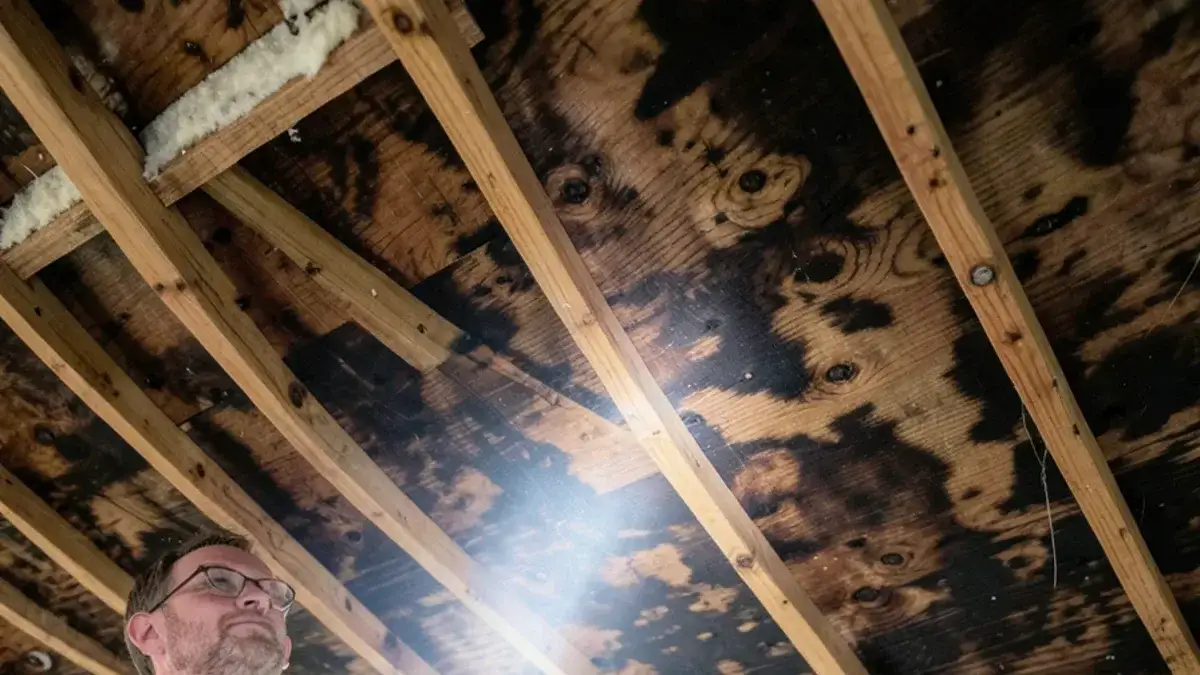
- Attic and crawl space mold: roof sheathing, insulation and damp soil
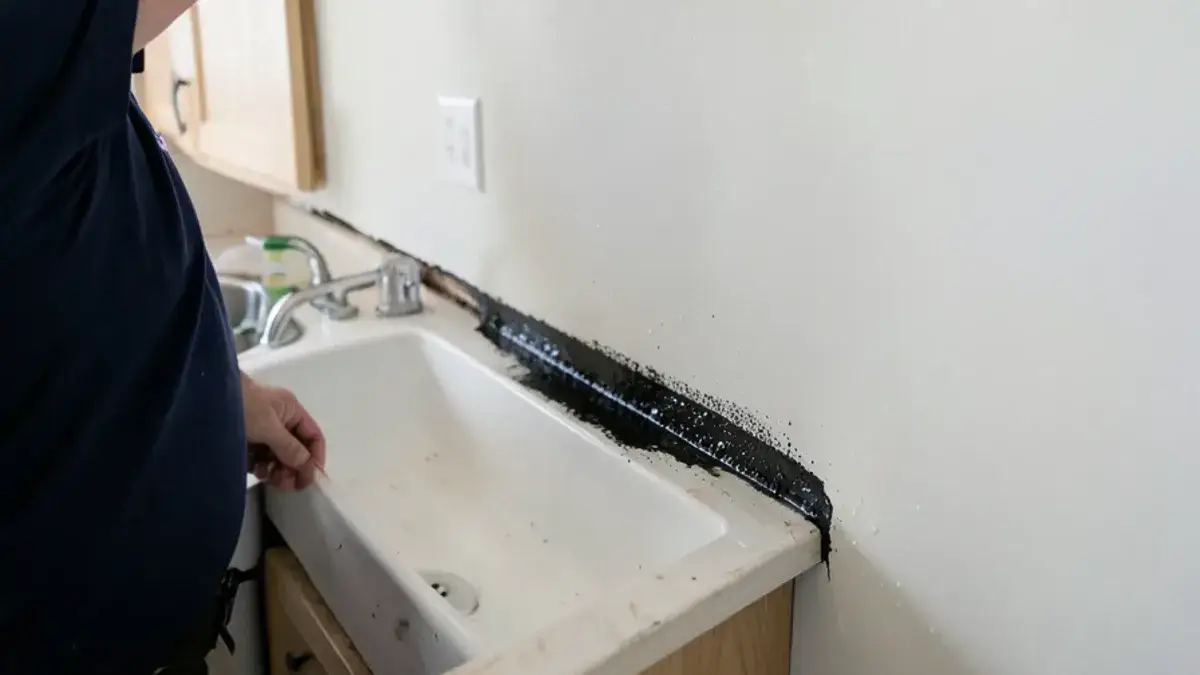
- Bathroom and wall mold: tile, baseboards and behind drywall
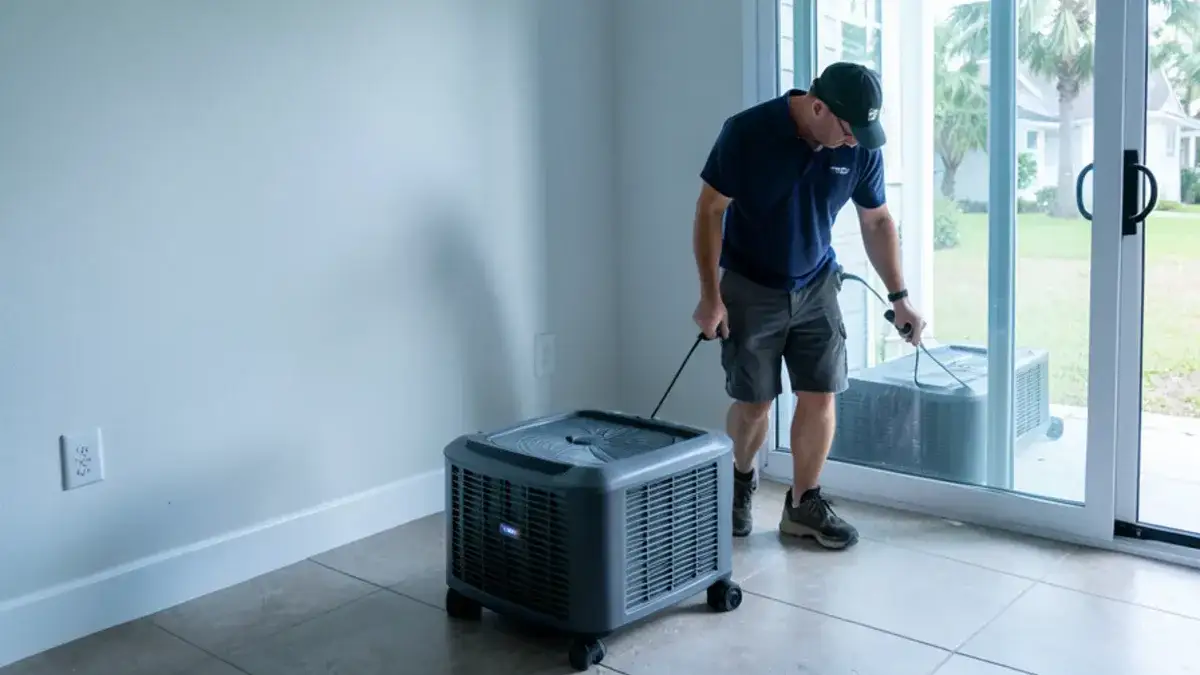
- Mold after water damage: stopping it in the first days after a leak
Why Mold Takes Hold in St. Augustine Homes
Moisture here arrives from several directions at once. Around 50 inches of rain falls here each year across roughly 116 rain days, August is wettest at about 7.4 inches, and the air stays humid between storms.
Each housing type gives that moisture a different place to hide:
- Downtown coquina-era homes: porous masonry and old plaster that hold dampness
- 1970s block homes: drywall on furring strips over block, with a gap behind it
- New master-planned builds: tight walls that keep a small leak out of sight
- Waterfront homes: tidal flooding along the Matanzas and San Sebastian rivers
The usual feeders are a slow plumbing leak, an AC drain pan that stopped draining, rain driven in around a window, and condensation on a cold wall behind furniture.
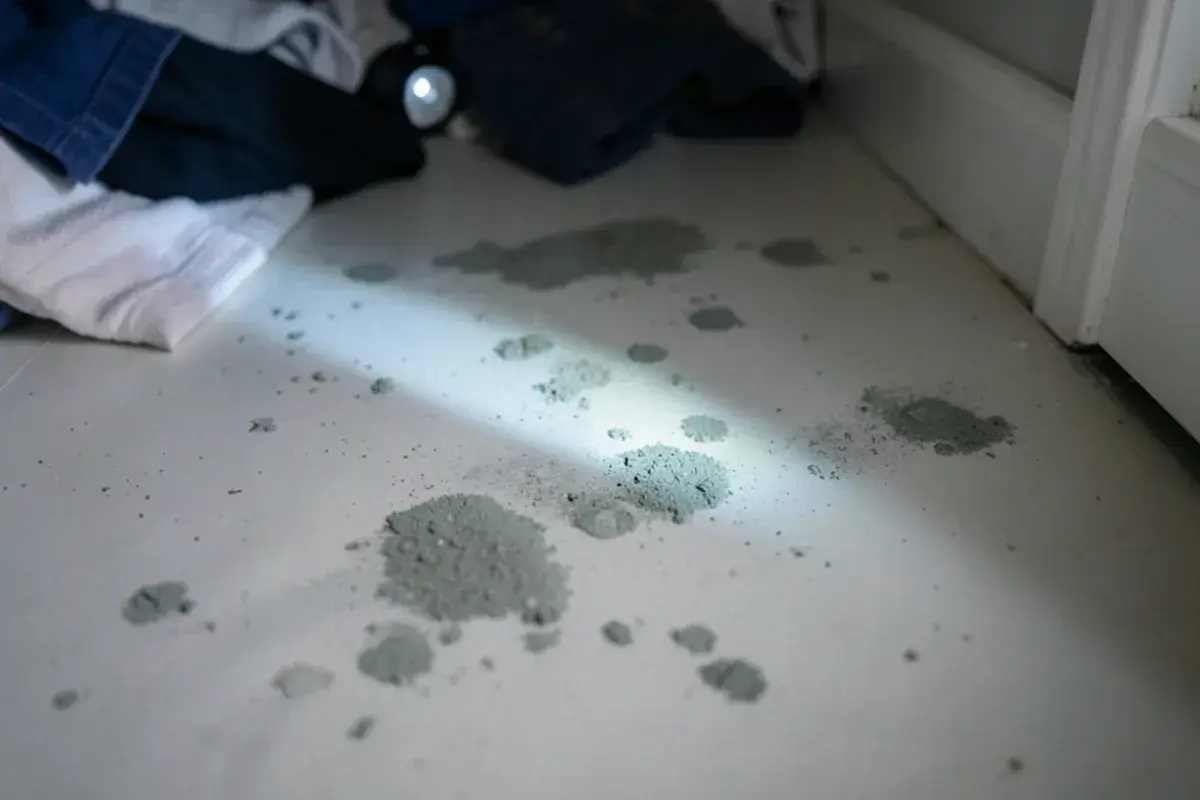
Watch for a musty smell in closets after heavy rain, bubbling paint, or spots along baseboards. Any of these means something is wet, even if the room looks fine.
Who May Do This Work Under Florida Law
Florida draws the line at 10 square feet. Under F.S. 468.8411, removing, cleaning or treating more than 10 square feet of mold is mold remediation, and the state requires a Department of Business and Professional Regulation license for it. The county does not issue this one.
Ask any company for its license number and check it on the DBPR site, ours included. A 3 by 3 foot patch is close to the limit, and a wall opened up often shows more than the room suggested.
We use ANSI/IICRC S520 as the reference standard for this work. It is an industry consensus document, not a law. EPA's guidance on mold in buildings sits alongside it. F.S. 468.8419 also bars referral payments between assessors and remediators, which is why we name no assessor.
Seeing mold or smelling it? Talk to the owner directly.
Open 24 hours for emergencies. Non-emergency calls are best between 7am and 7pm.
- 5.0 on Google, 8 reviews
- Family owned since 2020
- Calls go straight to the owner
- Free assessments and estimates
Request a free estimate
Not an emergency? Send the details and we will call you back. If water is still moving, call instead.
Clean, Remove or Dry: Choosing the Method
The material decides the method. Mold grows into porous material and sits on top of hard material, so the two get different treatment.
| Material | Usual method | Trade-off |
|---|---|---|
| Drywall with growth | Cut out past the affected area | More repair, but no mold left in the paper |
| Wet insulation | Remove and bag | New insulation goes on the put-back list |
| Framing lumber | HEPA vacuum, clean, dry | Stays in place, slower than demolition |
| Block, tile, metal | Detergent cleaning, dry | Little demolition, grout may need attention |
| Carpet and pad | Usually removed | EPA notes mold can be impossible to get out |
Antimicrobial is applied where needed, not as a substitute for removal. EPA does not recommend routine biocide use, since dead mold can still trigger allergic reactions.
How a Mold Remediation Job Runs, Step by Step
- Find the source and scope the growth. We trace the moisture with meters and thermal imaging and map where it reaches. Visible growth is photographed and measured, and the written scope reaches you before any heavy work.
- Fix the water. The leak goes to the right trade, such as a plumber or AC technician.
- Contain and filter. Plastic sheeting and sealed vents keep spores away from clean rooms, and HEPA air scrubbers run through the removal.
- Remove and clean. Affected porous material comes out sealed in bags, and hard surfaces are cleaned.
- Dry to the standard. Readings must match unaffected materials in the same home.
- Check and close out. We confirm no visible growth, no musty odor and dry readings before containment comes down.
Timing follows the readings and the size of the area, and an opened wall that shows more growth changes it. If you want independent sampling at the end, that comes from an assessor you hire, not from us. We do not sell clearance testing.
What Changes the Price of Mold Remediation?
Price follows area, access and what has to come out. We give free assessments and estimates on mold projects, with no high-pressure sales: we show up, assess the damage and write an estimate you can read line by line.
These items move the number most:
- Square footage of growth and how far it extends behind finishes
- Containment size and how many rooms stay in use
- Materials removed and bagged
- Access, such as attics, tile or built-in cabinets
- Drying equipment days after removal
- Put-back of drywall, paint and flooring
Local construction moves the number too. Drywall on furring strips over block can hide growth on its back side, so the cut line may shift once a wall opens. Pre-1978 homes can add lead-safe steps under EPA's renovation rule, and EPA notes old floor tile and joint compound may contain asbestos, so testing comes before anyone cuts.
Source repairs, such as plumbing, are usually priced by that trade. Our mold cost guide explains these factors in more depth.
What customers say
5.0 stars on Google from 8 reviews. Quoted as written.
“I work with these guys all of the time. They are a very ethical group, really good guys. Call Dal for water damage restoration or mold clean up.”
“Very impressive service. Dal and his team responded to our call immediately and were out the same day to begin the remediation process. Would highly recommend 1Call Restoration.”
Why Homeowners Call 1 Call for Mold
- You reach the owner. Calls go straight to Dal Beggs. He and his son run the company.
- Family owned since 2020. We are a local company, founded here in St. Johns County.
- Moisture comes first. We show you the source before we talk about demolition.
- Plain paperwork. Photos, moisture maps and a written scope come before heavy work.
- Separate roles. Formal assessment stays with an independent licensed assessor, so nobody grades their own work.
We cover St. Augustine and every part of St. Johns County, from St. Augustine Beach to World Golf Village, plus Flagler, Putnam, Duval, Clay and Volusia counties.
Keeping Mold From Coming Back
Control the humidity and catch leaks early. EPA's target for indoor humidity is under 60 percent, with 30 to 50 percent ideal, and an inexpensive humidity meter tells you where you stand.
Run bathroom fans, keep the AC drain line clear and let air move behind furniture on outside walls. After a storm, check closets and ceilings on the weather side of the house, and treat a new musty smell as a leak until proven otherwise.
Mold exposure affects people differently, and CDC notes that some have no reaction while people with asthma or mold allergies may react strongly. Talk to your doctor about symptoms. We deal with the building.
Inside mold remediation
Mold Inspection and Assessment
Attic and Crawl Space Mold

Bathroom and Wall Mold
Mold After Water Damage
Frequently asked questions
How big does a mold patch have to be before I hire someone?
About 10 square feet is the usual line. EPA says homeowners can often clean patches smaller than that, roughly 3 feet by 3 feet, while larger areas or significant water damage call for a professional. Florida's licensing rule uses the same 10 square foot figure. Mold inside a wall is harder to size, so have it measured first.
Is black mold more dangerous than other mold?
No, not as far as the cleanup goes. CDC advises treating every mold the same for potential risk and removal, and says you do not need to identify the type before cleaning it up. We scope the growth and the moisture behind it the same way whatever the color. Health questions belong with your doctor.
Can I just spray bleach on the mold?
No, not as a cleanup plan. EPA does not recommend routine biocides such as bleach, because the goal is removal and dead mold can still cause allergic reactions. Bleach also does nothing about the wet wall behind the stain. Never mix it with ammonia products, which EPA warns can produce toxic fumes.
Can we stay in the house during mold remediation?
Often yes, when the work area can be sealed off from the rooms you use. Containment plastic, closed vents and a HEPA air scrubber keep dust inside the work zone. A bedroom or the only bathroom inside containment changes the answer, so we discuss it during the free estimate, before any wall is opened.
Will mold come back after remediation?
Yes, if the moisture comes back. EPA is direct on this point: fix the water problem or mold is likely to return. That is why the plumbing, condensate line or wall leak gets repaired first, and why we confirm readings before anything is closed up. Keeping indoor humidity below 60 percent helps afterward, especially through August.
Should a mold assessment happen before remediation starts?
It depends on the job, and the choice is yours. EPA says sampling is usually unnecessary when growth is visible. An independent licensed mold assessor can still give you a formal written assessment, and Florida keeps that role separate from the remediator's on the same structure for 12 months, with an exception for Division I contractors.
Find the moisture first. Call for a free mold estimate.
Open 24 hours for emergencies. Non-emergency calls are best between 7am and 7pm.
- 5.0 on Google, 8 reviews
- Family owned since 2020
- Calls go straight to the owner
- Free assessments and estimates
1 Call Restoration, Saint Augustine, FL. (208) 464-4194.
Related services
Worth reading
Where we handle mold remediation
See all of our service areas.