
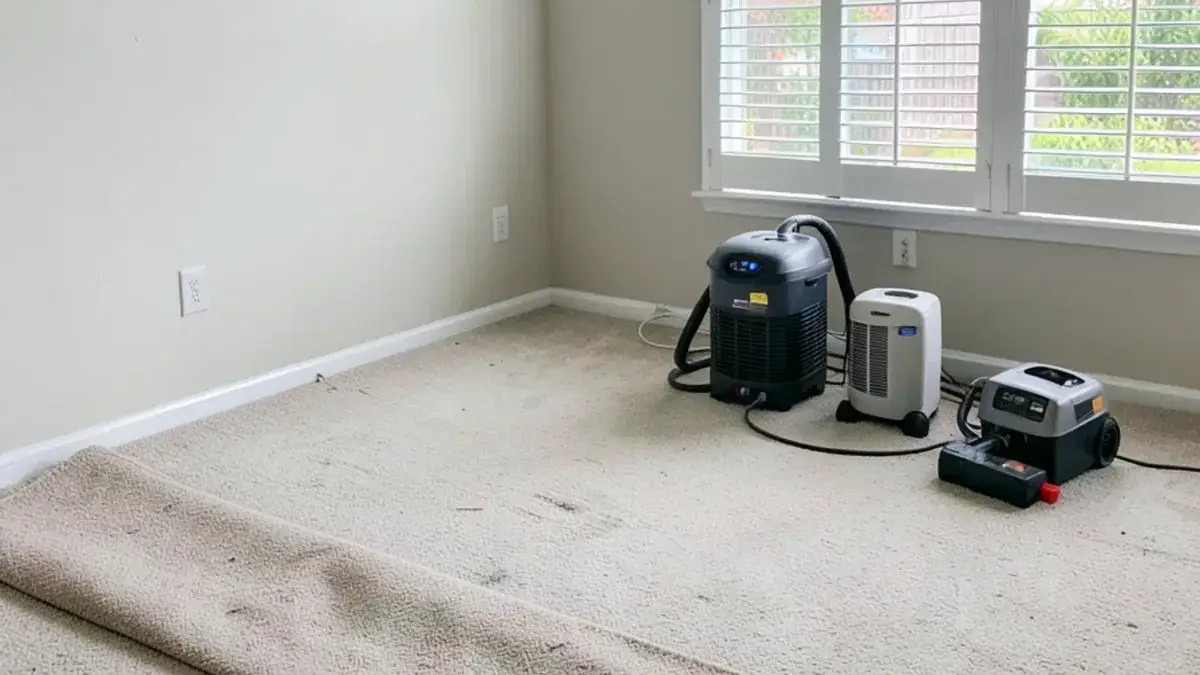
What Does Water Damage Mitigation Cover?
Mitigation covers everything between the leak and the rebuild. The goal is to stop the loss from growing, then prove the structure is dry. Think of it as the emergency half of water damage restoration, with repairs following once the readings say so.
Here is what you get from us on a mitigation job:
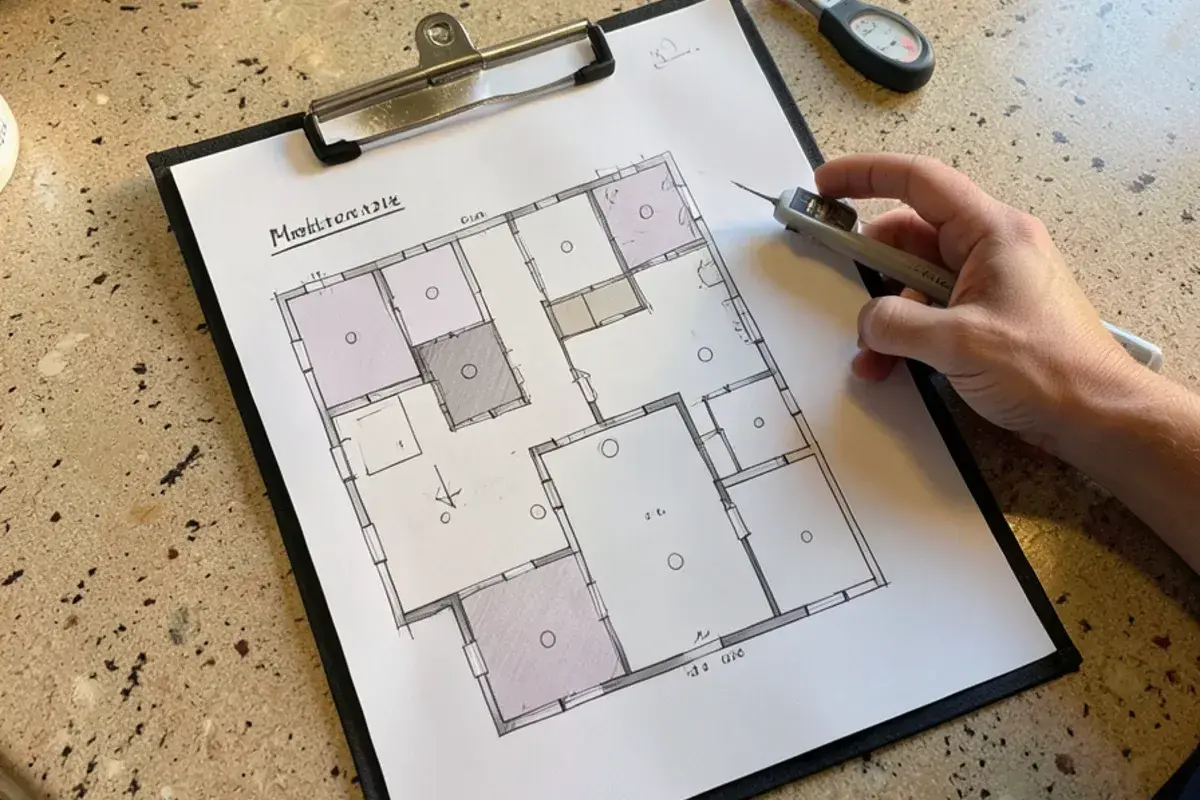
- A moisture map showing where the water went, room by room
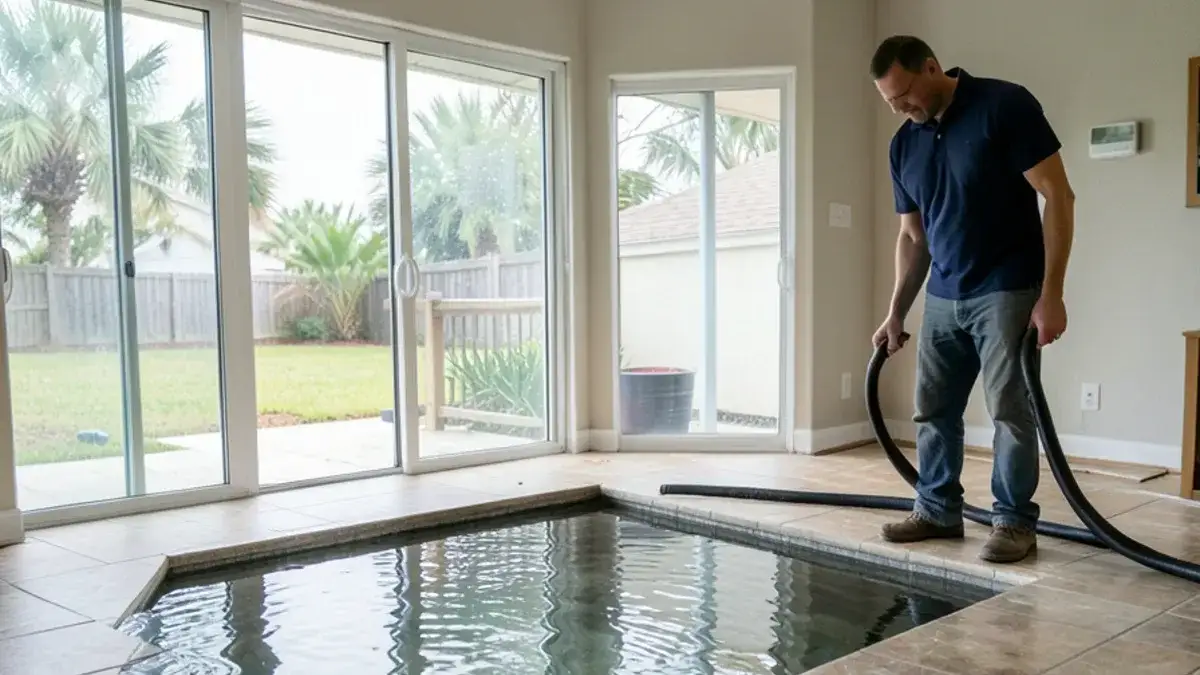
- Extraction of standing water from floors, carpet and pad
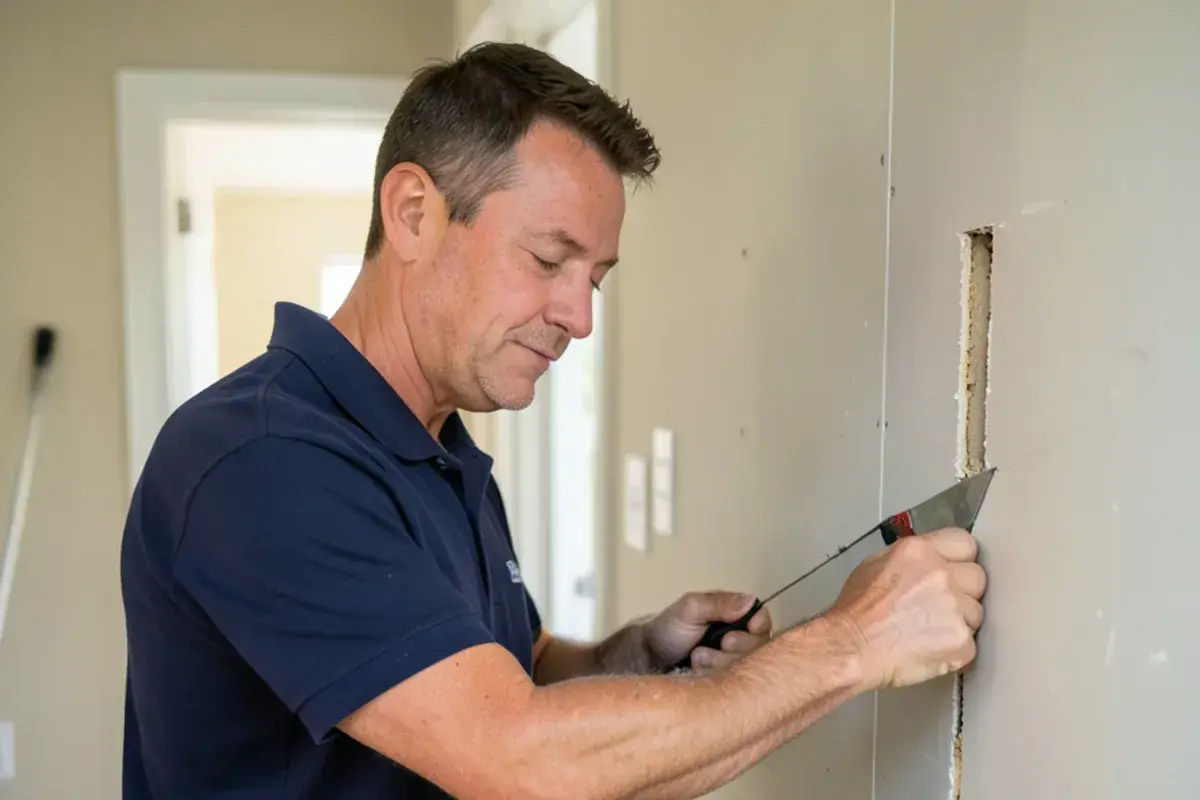
- Controlled demolition of materials that cannot dry, photographed first
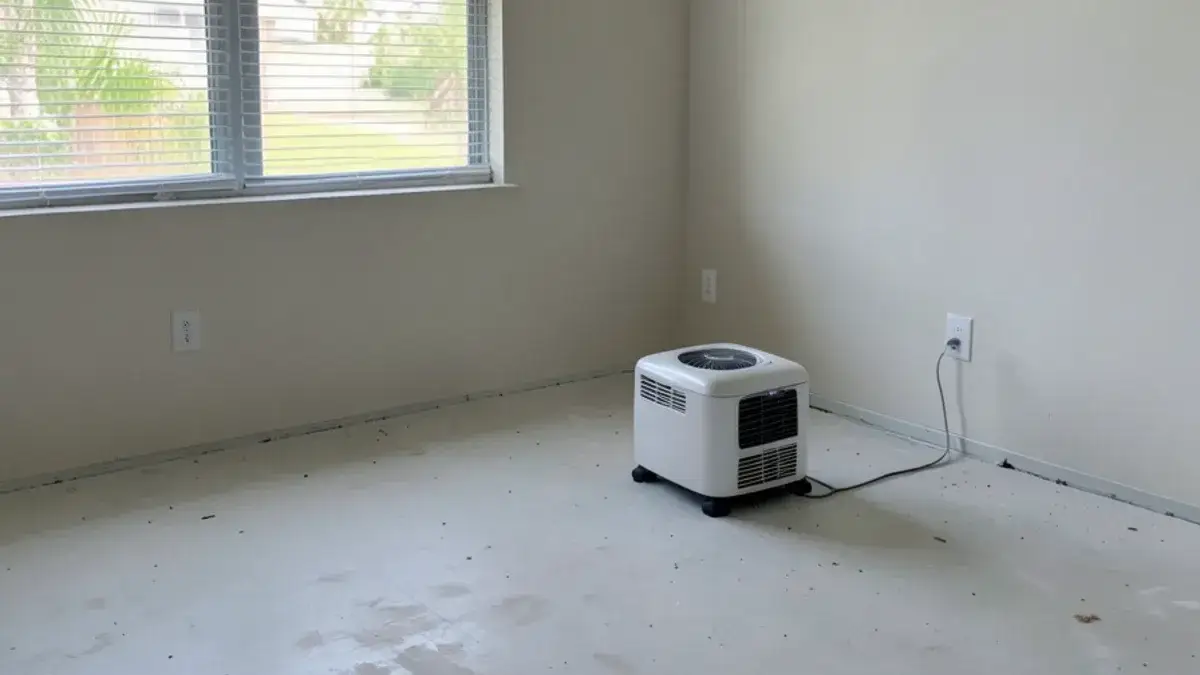
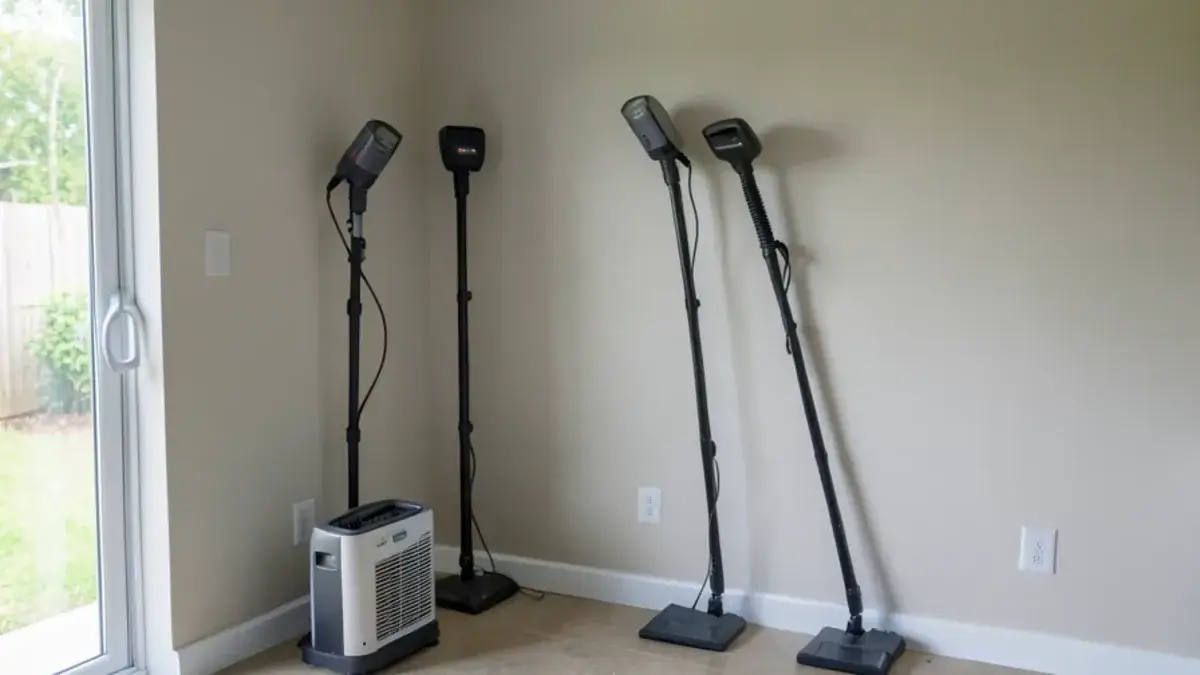
- Air movers and LGR dehumidifiers set for your floor plan
- Daily moisture readings logged against the dry standard
- A written scope and an itemized estimate before heavy work
Mitigation stops short of the rebuild, and that line matters on your estimate. Drying, demolition and monitoring sit on one scope. New drywall, paint and flooring sit on another, so you can see what the emergency cost and what the repair will cost.
Every loss starts in a different place, so each service below has its own page.
| If your problem is | Start here |
|---|---|
| Standing water or soaked carpet | Water extraction |
| Walls, floors or framing still reading wet | Structural drying |
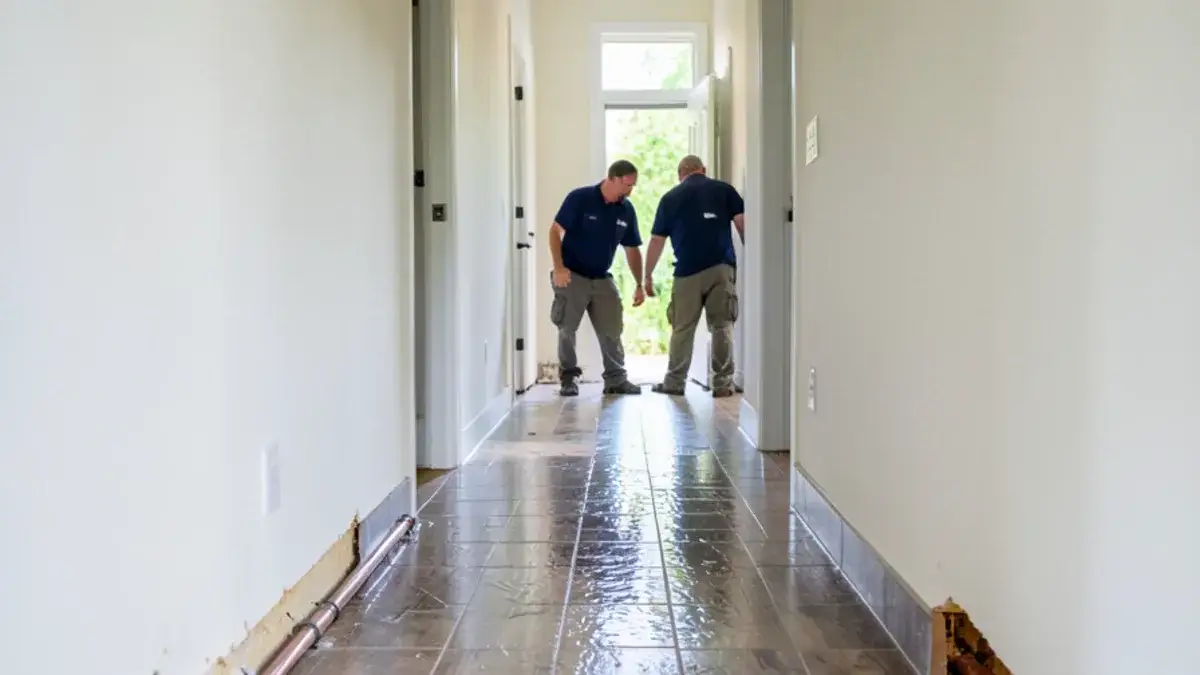
| A broken pipe, supply line or slab leak | Burst pipe water damage |
| A washer, dishwasher, fridge or water heater | Appliance leak water damage |
| A stain, drip or sag overhead | Ceiling water damage |
| Cupped or buckled boards | Hardwood floor water damage |
| Moisture in a recently built home | New home water issues |
Which Signs Mean You Need Mitigation?
Call when water has reached anything that soaks it up. Drywall, baseboards, carpet pad and insulation hold water long after the floor looks fine. A wet floor you mopped an hour ago can still mean a wet wall.
The usual sources here are a failed supply line, a water heater, an AC drain line clogged during our long cooling season, wind-driven rain, or a leak in a seasonal home nobody has checked for months.
- Carpet that squishes underfoot, or a pad that stays dark
- Baseboards lifting, swelling or pulling from the wall
- Paint bubbling or a stain that grows between visits
- A musty smell in a closet after heavy rain
- The sound of running water with every tap closed
Stop the source if you can do it safely, and keep clear of standing water near outlets or appliances. Then call. EPA guidance puts the drying window at 24 to 48 hours if you want to keep mold from growing, and that clock started when the water did.
Why St. Augustine Air Makes Every Leak Harder
Our climate adds a second source of water to every job. St. Augustine sees about 50 inches of rain a year across about 116 rain days, and August alone brings about 7.4 inches. Wet outdoor air means a damp room will not give up its moisture on its own.
Opening windows usually makes this worse, and the air conditioner will not rescue you either. UF/IFAS notes that air conditioners often do not run long enough to hold down indoor humidity during rainstorms and humid stretches. That is why we close the space and let LGR dehumidifiers do the work.
The building matters too. Coquina-era stock downtown, 1970s block homes and new master-planned builds all hold water in different places, so we read the actual house in front of us instead of assuming.
How We Decide What Stays and What Comes Out
Water category and meter readings make this decision, and we show you both. Category 1 is clean, Category 2 is gray and Category 3 is contaminated. The dirtier the water and the longer it sat, the more porous material has to leave.
| Approach | When it fits | Trade-off |
|---|---|---|
| Dry in place | Clean water, caught early, sound materials | Keeps finishes, needs careful monitoring |
| Flood cut | Wet drywall or insulation behind the wall | Faster drying, adds put-back work |
| Full removal | Category 3 water or failed materials | Removes the risk, costs the most to replace |
Saving material is the preference, not the rule. If drying a wall would take longer and cost more than replacing it, we tell you that and you make the call.
Water still spreading? Talk to the owner now.
Open 24 hours for emergencies. Non-emergency calls are best between 7am and 7pm.
- 5.0 on Google, 8 reviews
- Family owned since 2020
- Calls go straight to the owner
- Free assessments and estimates
Request a free estimate
Not an emergency? Send the details and we will call you back. If water is still moving, call instead.
What Happens on a Mitigation Visit
Every visit follows the same order, so you always know where the job stands.
- Listen and look. We ask what happened and when, and confirm the source has stopped.
- Map and name the water. Moisture meters and thermal imaging show how far it traveled, and the category sets the safety steps and the scope.
- Photograph and estimate. Everything gets documented before anything is moved or cut, and you get a written scope before heavy work starts, with no pressure to sign.
- Extract and open up. Water comes out first, then any material that cannot dry.
- Set equipment. Containment goes up where needed, then air movers, LGR dehumidifiers and, during demolition, HEPA air scrubbers.
- Return and read. We log readings on the same spots and adjust equipment daily.
How Long Does Mitigation Take, and What Comes After?
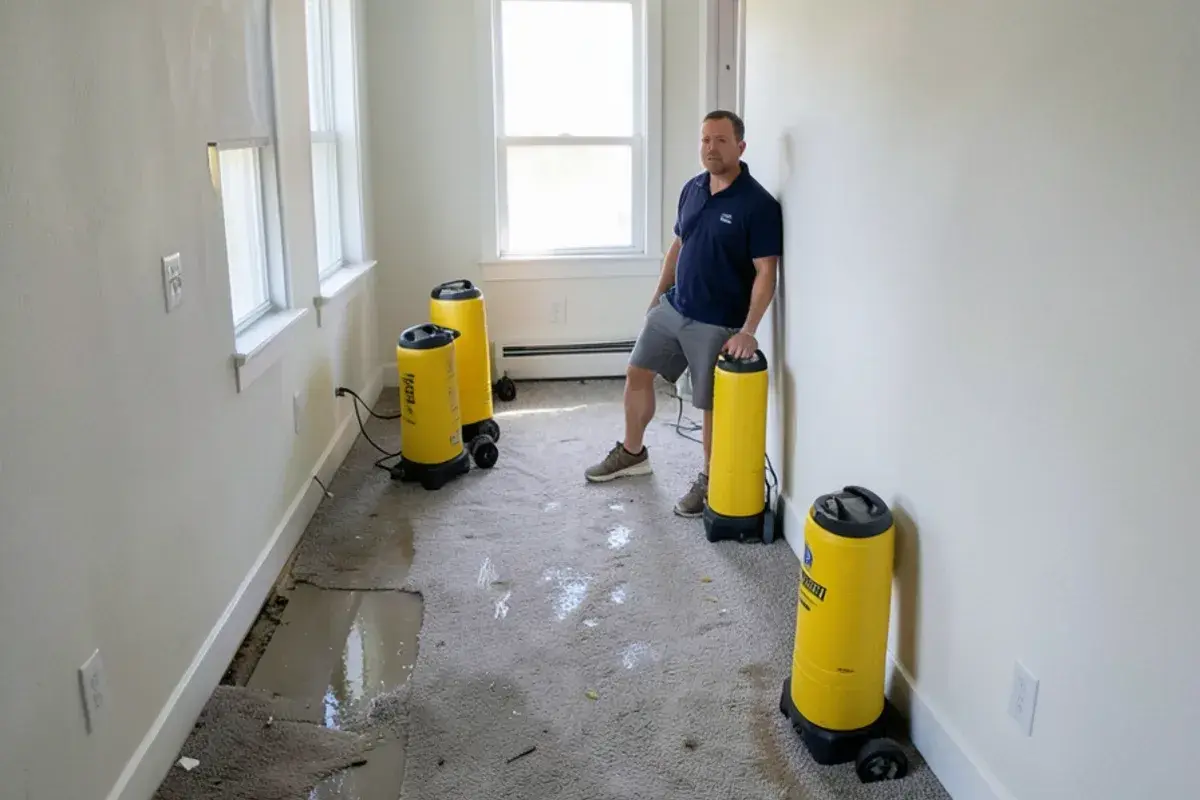
The readings set the finish date, not the calendar. Clean water on a slab dries sooner than a soaked wall cavity in August, and nobody honest can name the day from your driveway. We can tell you what we expect after the first readings, and we update you as numbers fall.
When the dry standard is met, the equipment leaves and you get the final log. Then we organize the repairs that follow: drywall, paint and flooring, in order. Anything structural is handed to a suitable licensed contractor, and the party doing permitted work pulls its own permit.
Florida Rules That Touch a Mitigation Job
Three rules are worth knowing along the way:
- S500, from ANSI/IICRC, is a consensus document the industry refers to. It is not a law, though we dry to the goal it describes.
- F.S. 627.70132 gives you 1 year from the date of loss for claim notice, and 18 months for a supplemental claim. What follows is up to your policy wording and your adjuster.
- Post-loss benefits cannot be assigned on a property policy issued since the start of 2023, per F.S. 627.7152(13).
If growth appears, F.S. 468.8411 makes remediation beyond 10 square feet a licensed trade, and we explain that path on our mold after water damage page.
Permits follow the put-back, not the drying. The City of St. Augustine's storm permitting guide lists removing wet materials as no-permit work and storm repairs as permitted work, and the department has the final say. Ask any company for its license number and check it on the DBPR site, ours included.
What Changes the Price of Water Remediation?
Scope sets the price, so we estimate from your readings and not from a per-room guess. You pay nothing for the assessment or the estimate, and there is no pressure once we have shown you the numbers. If you decide a claim is the right move, we can walk you through the steps.
- Area: how many rooms and floors got wet
- Water category: Category 3 adds cleaning, protection and removal
- Equipment days: each machine, each day it has to run
- Demolition: drywall, insulation, flooring and cabinets that cannot dry
- Access: tight closets, stairs, or a wet slab under tile
- Put-back: priced separately from drying
Local conditions move those lines too. A closed house in August can need more equipment days, because peak rain keeps the outdoor air wet. Block walls dry slowly, which adds monitoring visits. Cutting painted surfaces in a pre-1978 home brings the EPA's lead-safe renovation rule into the scope.
Why Homeowners Call 1 Call, and Where We Work
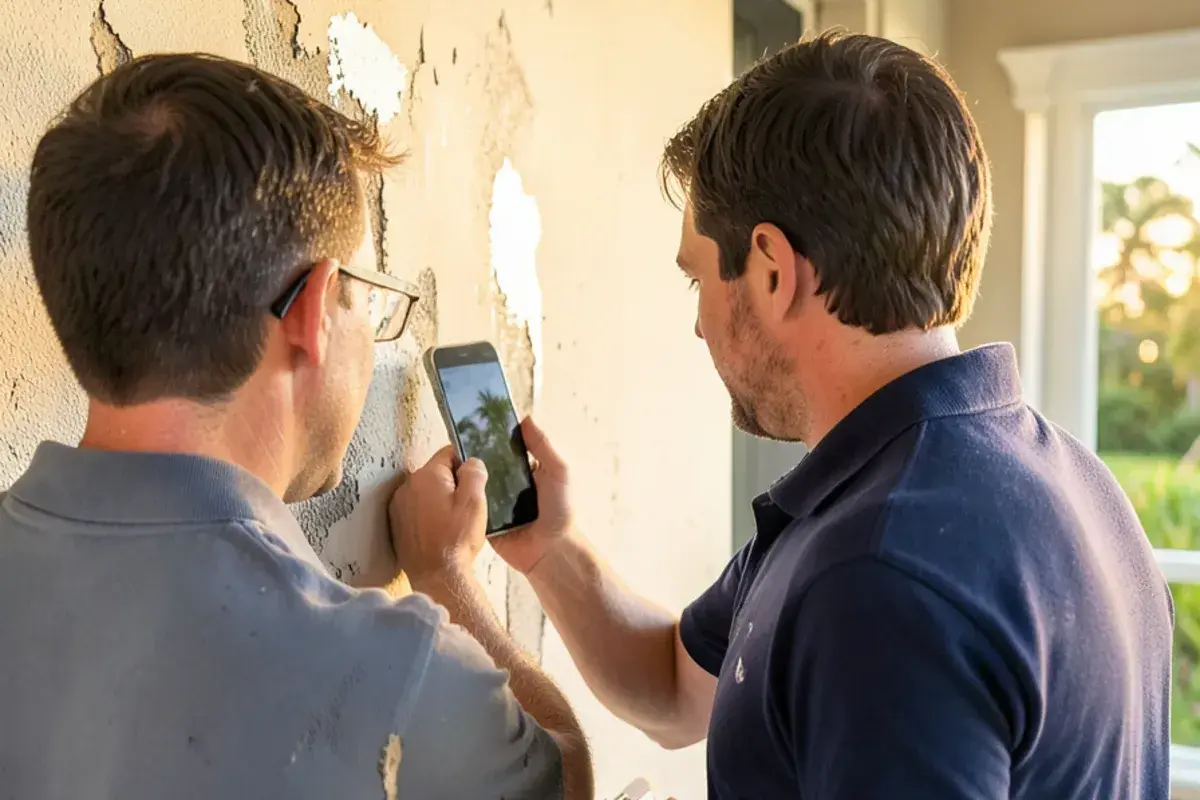
Dal Beggs started this family business in 2020 and still runs it with his son. Your call rings through to him.
- Family owned and locally owned, with no call center in between
- You get an assessment and an estimate, and no high-pressure sales
- Daily readings you can see, not a promise you have to take on faith
- Photos and logs that hold up when someone asks how wet it was
We cover St. Augustine and the rest of St. Johns County, from St. Augustine Beach to World Golf Village, and south into Palm Coast. Flagler, Putnam, Duval, Clay and Volusia counties are in our area as well.
What customers say
5.0 stars on Google from 8 reviews. Quoted as written.
“Highly recommend Dal and his team at 1 Call Restoration - great locally owned company. We had a pipe burst that flooded parts of our home - it was such a stressful situation for our family. Dal and his team were amazing through the whole process. They helped us get everything cleaned up and even helped us as we worked with our insurance. Super thankful for their expertise, quality work, responsiveness, and professionalism.”
“Dal and his son are so compassionate and truly care about the human and do everything in their power to help your house back to normal. They were punctual and even showed back up to the house with any questions etc, I was very pleased with them and would recommend them to anyone who wants someone honest in this industry that unfortunately doesn’t have many honest companies in it. Dal and his crew have a customer life with us anytime we need their services.”
“I needed a second opinion on my water damage cleanup but about 5 minutes after Dal showed up I realized I should have contacted 1 Call FIRST. They immediately got to work drying out my house and explained everything so well which helped relieve so much of the anxiety I was feeling. The communication and work was all top notch. HIGHLY RECOMMEND!”
Inside water damage mitigation
Water Extraction
Structural Drying
Burst Pipe Water Damage
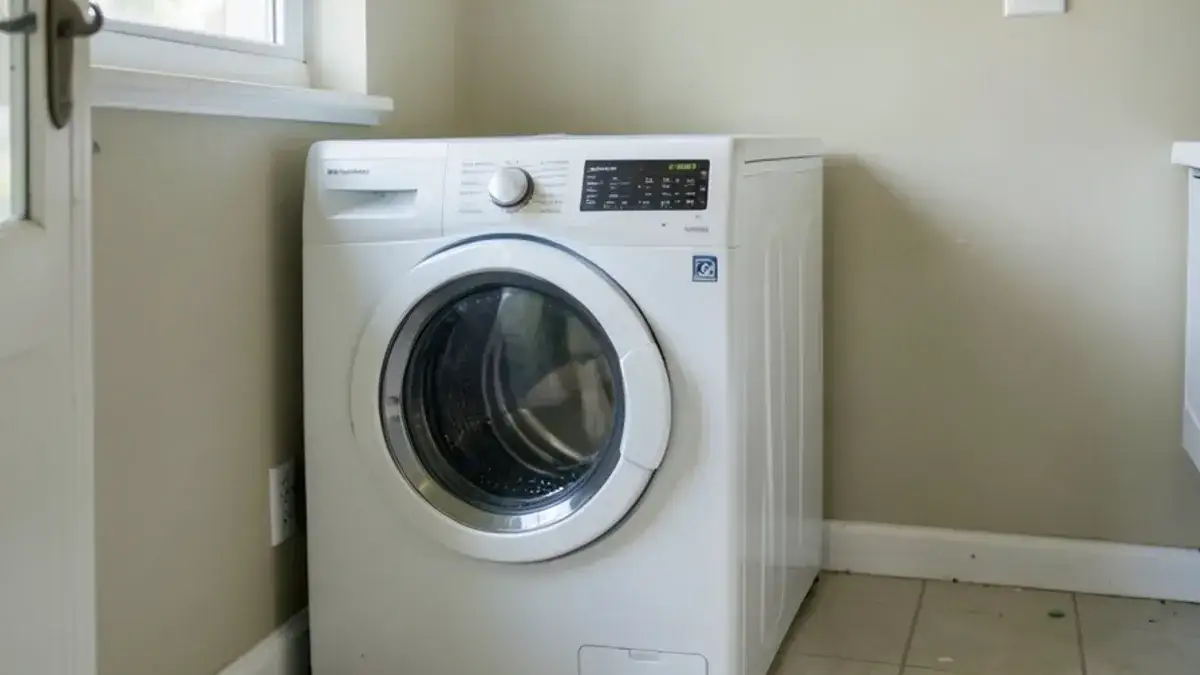
Appliance Leak Water Damage
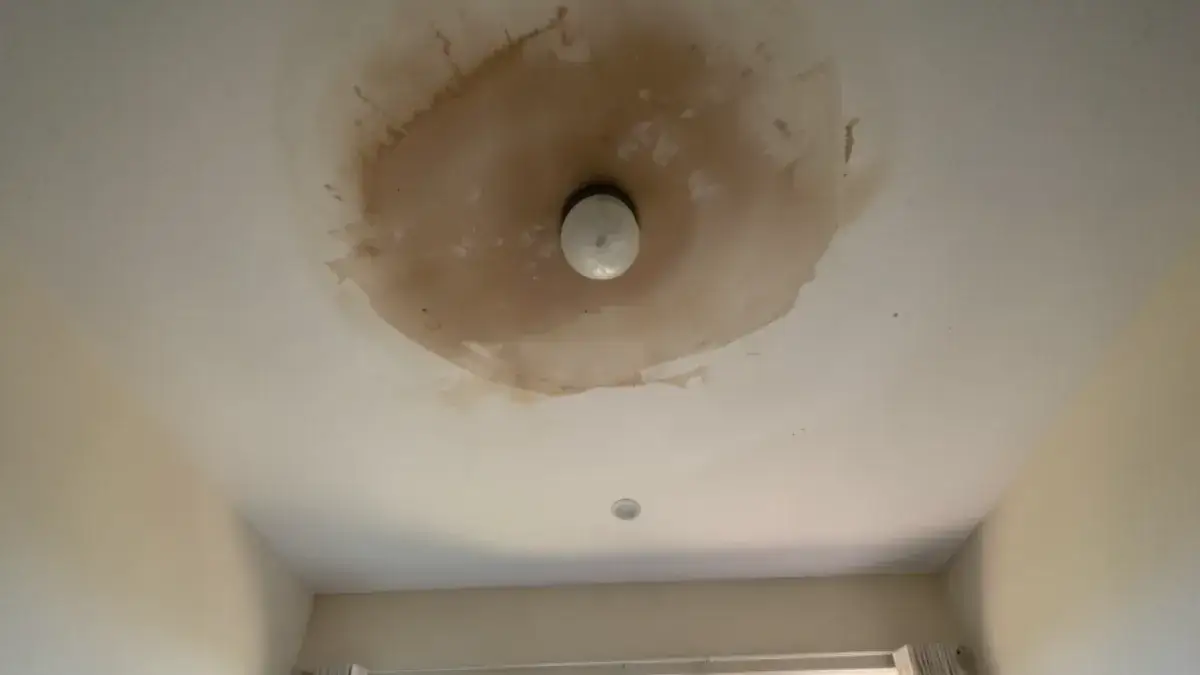
Ceiling Water Damage
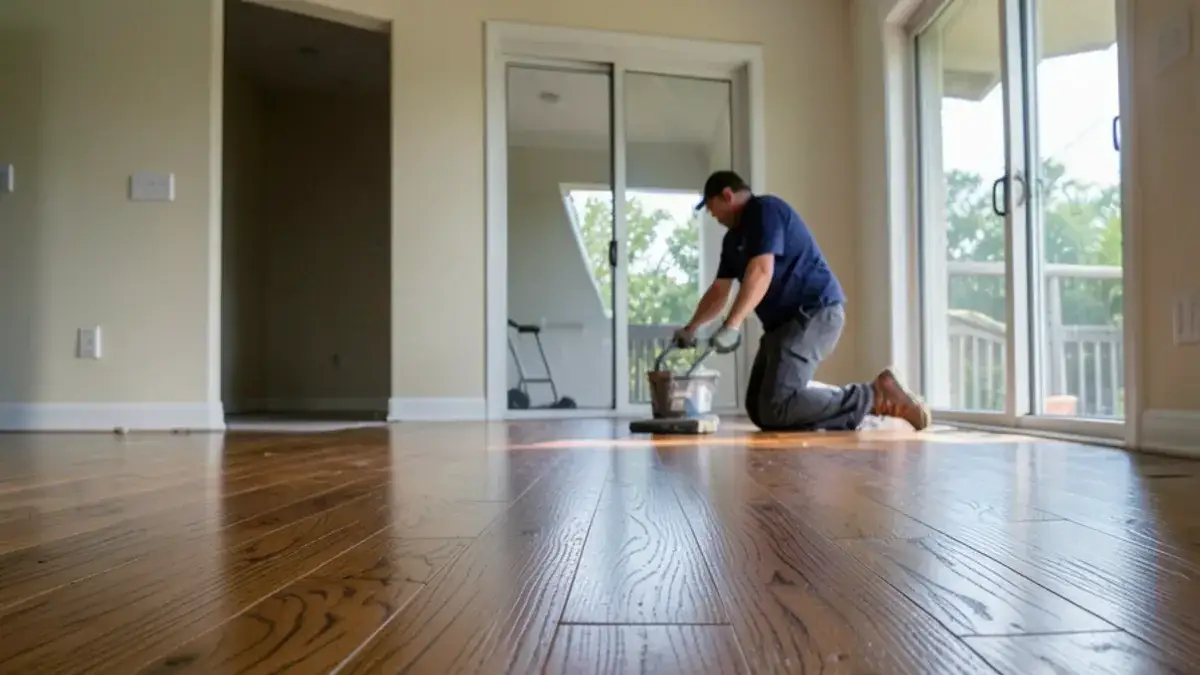
Hardwood Floor Water Damage
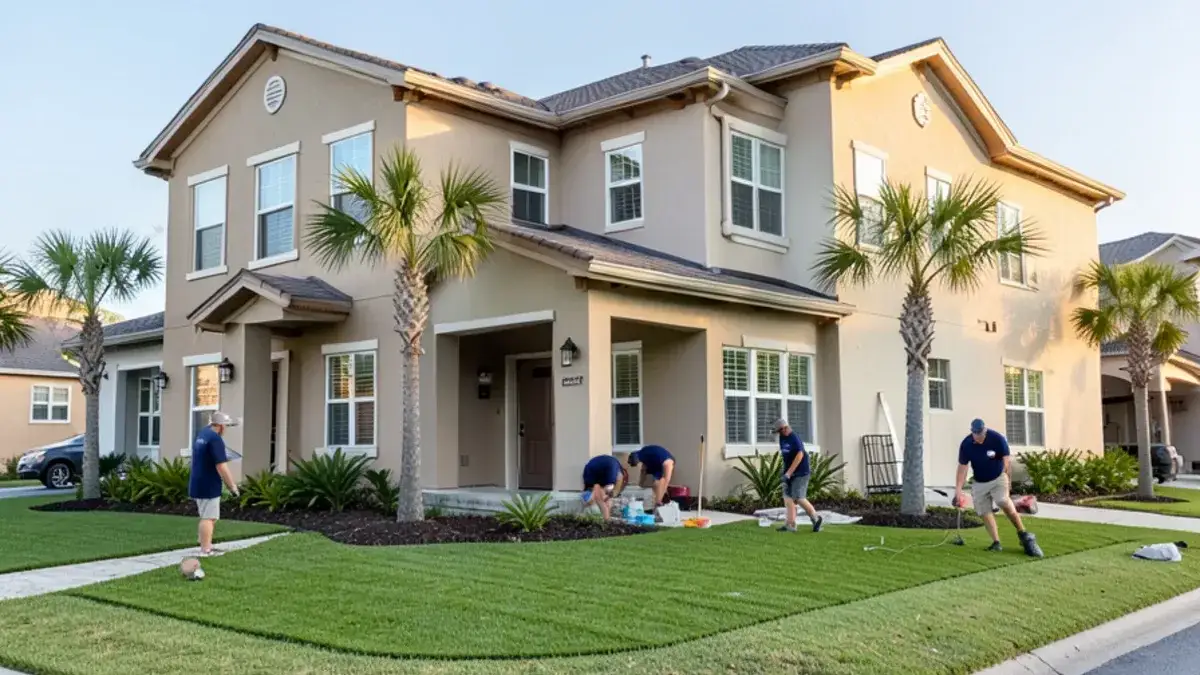
New Home Warranty Water Issues
Frequently asked questions
Does mitigation come before repairs, or can both start together?
Mitigation comes first, every time. New drywall or flooring over a wet structure traps the moisture and restarts the problem. We dry to the reading of unaffected materials in your own home, record that reading, and only then sequence the put-back. Painting early is the most common way a dry-looking room turns musty again in a humid St. Augustine summer.
Can my family stay in the house during mitigation?
Usually yes on a clean water loss, though it depends on the water and the rooms involved. Air movers and LGR dehumidifiers run around the clock and they are loud. Category 3 water, sewage or flood water changes that answer, because those areas stay closed off until they are cleaned. We tell you which rooms are safe to use at the first walk-through.
What should I hand my insurer after mitigation?
Hand over what we give you: dated photos, the moisture log, equipment records and an itemized estimate we can explain line by line. We supply documents and do not interpret your policy or negotiate with your insurer. Coverage questions belong with your insurer, a licensed public adjuster or an attorney, and your policy wording and your adjuster decide.
How do I know a water mitigation company is actually drying my home?
Ask to see the moisture readings, every day, on the same marked spots. A working moisture map shows numbers falling toward the dry standard in each room. If the equipment simply sits there with no log, nobody can tell you when the job is finished. We share our readings with you at each visit so you can follow the drying yourself.
Is a small leak worth a call, or only a real flood?
Yes, when you cannot see where the water went. Water runs along slabs and under baseboards, then shows up a room away. In our humidity a hidden wet spot keeps feeding itself. We can meter the area and tell you plainly if it needs equipment or just a fan and some attention, and that assessment is free.
Is emergency water mitigation different from a scheduled job?
No, the work is the same and only the order changes. On an emergency we stop the spread first, then write the scope, and you still see an estimate before heavy work begins. A scheduled job, such as an old leak found during a remodel, starts with the moisture map and the paperwork. Either way the dry standard sets when equipment leaves.
Get the water stopped and the house measured dry.
Open 24 hours for emergencies. Non-emergency calls are best between 7am and 7pm.
- 5.0 on Google, 8 reviews
- Family owned since 2020
- Calls go straight to the owner
- Free assessments and estimates
1 Call Restoration, Saint Augustine, FL. (208) 464-4194.
Related services
Worth reading
Where we handle water damage mitigation
See all of our service areas.