
Prevention checklists
Home Water Leak Prevention Checklist
By Dal Beggs, founder and owner of 1 Call Restoration. Published November 1, 2026. Updated November 1, 2026.
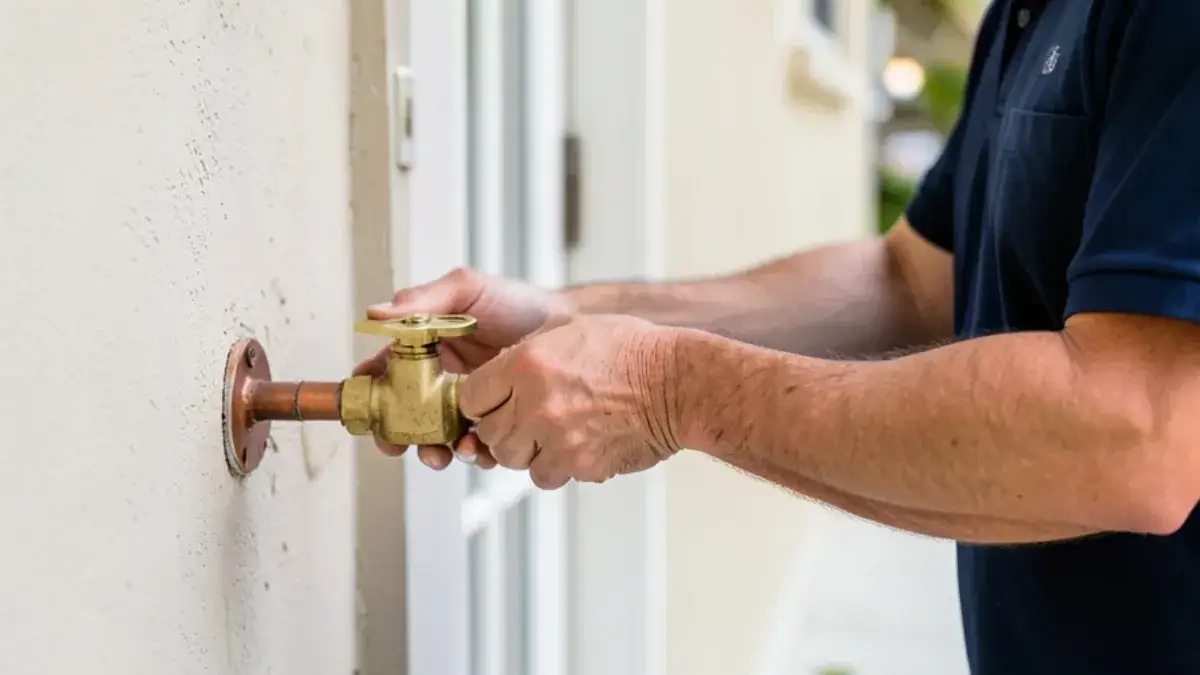
A water leak prevention checklist works when it follows how plumbing actually fails. Learn your shutoffs first, then run quick monthly checks, closer six-month inspections and yearly reviews, and replace worn parts by date instead of waiting for a leak. Everything below can go on a calendar.
Start with the shutoff valves
Find every shutoff before you need one. A burst supply line does the most damage in the minutes people spend looking for the valve.
Work through this list once, then repeat it twice a year:
- Find the main shutoff and make sure everyone at home can reach it.
- Turn it off and on to confirm that it actually stops the water.
- Find the valves at each toilet, sink, washer, water heater and refrigerator line.
- Replace any valve that sticks or will not close all the way.
- Keep any tool needed for the valve within reach of it.
The guide from the Connecticut Insurance Department and the Institute for Business and Home Safety (IBHS) says to test valves every six months. A valve that sits untouched for years is the one that fails on the day you need it.
Found a leak during your checks? Call before it spreads.
Open 24 hours for emergencies. Non-emergency calls are best between 7am and 7pm.
- 5.0 on Google, 8 reviews
- Family owned since 2020
- Calls go straight to the owner
- Free assessments and estimates
Every month: five-minute checks
Monthly checks catch slow leaks before the damage gets expensive. The EPA says household leaks can waste more than 9,300 gallons a year in an average home, and many of them make no sound at all.
- Read your water bill and look for a jump with no explanation.
- Look under each sink for drips, stains or swollen cabinet floors.
- Touch the wall around toilets and look for soft spots in the floor.
- Check the pan under the air handler, and confirm the drain line is flowing.
- Walk the ceilings and look for new stains after heavy rain.
- Note any new musty smell in a closet or a cabinet.
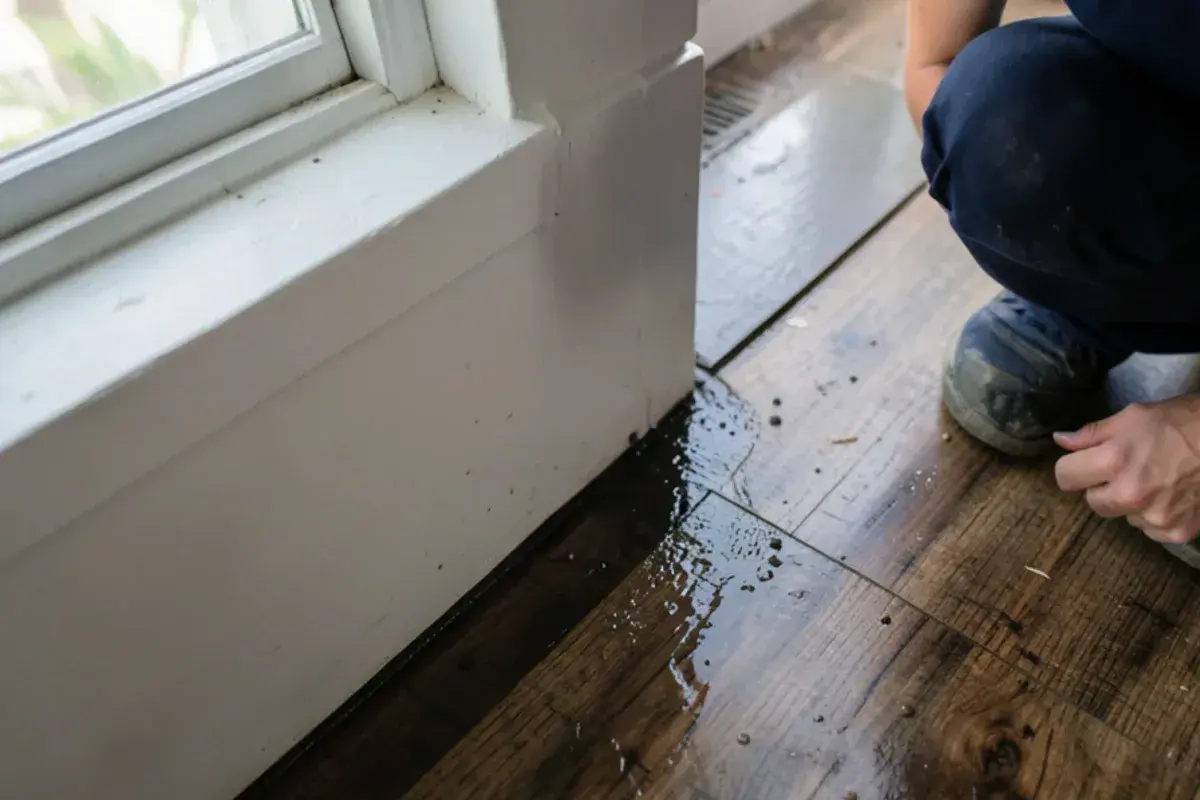
Every six months: the closer inspection
Twice a year, take a closer look at everything that holds pressure. These intervals come from the IBHS guide, and they are worth putting on a calendar.
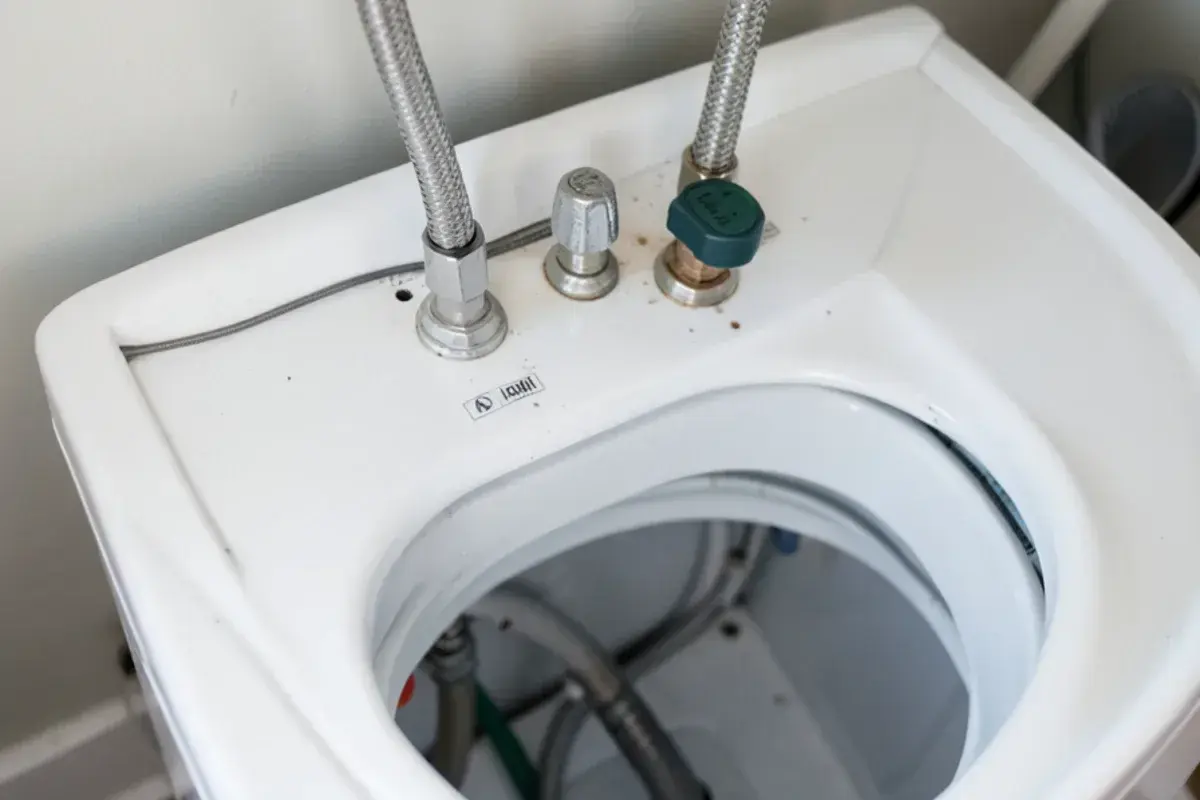
- Inspect washer, dishwasher and icemaker hoses for cracks, kinks and blisters.
- Inspect toilet supply lines and the flushing mechanism.
- Inspect the plumbing under every sink for corrosion.
- Check tile and grout for cracks around tubs and showers.
- Flush sediment from the water heater tank.
- Do the meter test: read it, wait two hours with no water running, then read it again.
- Do the toilet dye test: add food coloring to the tank, wait 10 minutes and look for color in the bowl.
Any change on the meter probably means a leak, according to the EPA.
Once a year: the whole-house review
Once a year, look at the systems that move water around and away from the house. Do it in the spring, before the wet months arrive. August is our wettest month, at about 7.4 inches of rain.
- Have a plumber or roofer look at anything you cannot safely reach.
- Clean gutters, and make sure downspouts carry water away from the wall.
- Inspect visible pipes for corrosion or condensation.
- Test the shower pan: block the drain, fill with an inch of water, mark the line and check it after 8 hours.
- Check window and door seals on the sides that take wind-driven rain.
- Have a plumber inspect the water heater's anode rod at least every two years.
If the water level in the pan test drops, call a plumber before anyone uses that shower again.
Replace-by dates worth writing down
Some parts should go on a schedule, not on a symptom. Write the install date on each part with a marker, because guessing its age later is hard.
| Part | Replace or review | Why |
|---|---|---|
| Washing machine hoses | Every 5 years | Makers recommend it, per the IBHS guide |
| Toilet flapper | At least every 5 years | The EPA says worn rubber can leak silently |
| Water heater | Review at 5 years, plan ahead | Leak risk climbs from about year 5, and most fail before 12 |
| Icemaker line | Any kink or crimp | Hose failure drove most icemaker losses in the study |
| Shutoff valves | When they stick | A valve that will not close is no use |
The IBHS guide found that three-quarters of water heaters failed before 12 years. It also found that homes 30 years old were three times as likely to have a plumbing supply or drainage problem, so older houses deserve the full list.
Your Northeast Florida leak calendar
Local weather sets better dates than the four seasons do. Pin the checks above to these dates, so each one lands just before the water that tests it.
| When | Check this | Why then |
|---|---|---|
| Second Sunday in March | Run each irrigation zone briefly and look for heads wetting a wall | St. Johns County's standard watering days change with the clocks |
| April and May | Do the whole-house review | The National Hurricane Center starts the Atlantic season on June 1 |
| June | Clear the air handler drain line and confirm it flows | The system runs hard through the wet months, and algae clogs a slow line |
| August | Walk the ceilings and window sills after each heavy rain | Our wettest month, at about 7.4 inches |
| Before September 10 | Test the main valve again, then recheck door and window seals | The center puts the season's peak on September 10 |
| October and November | Check doors and low fittings on the side facing the river | The City of St. Augustine posts its king tide dates each year |
| First Sunday in November | Run the irrigation check again | The county's standard schedule changes back |
| Any forecast freeze | Cover exposed pipes and let outdoor faucets drip slowly | The City of Jacksonville's cold weather tip |
Check your watering day before any irrigation test. The county lists a Phase III water shortage schedule beginning May 11, 2026, which limits landscape watering to one day a week, so its page has the current rule. The National Hurricane Center also says most activity falls between mid-August and mid-October, so finish any plumbing or window work before mid-August.
Our rules for salt air and humidity
Coastal homes need a few extra checks, because salt and damp air work on fittings from the outside. On a barrier island like Vilano Beach, we would add these steps to any list:
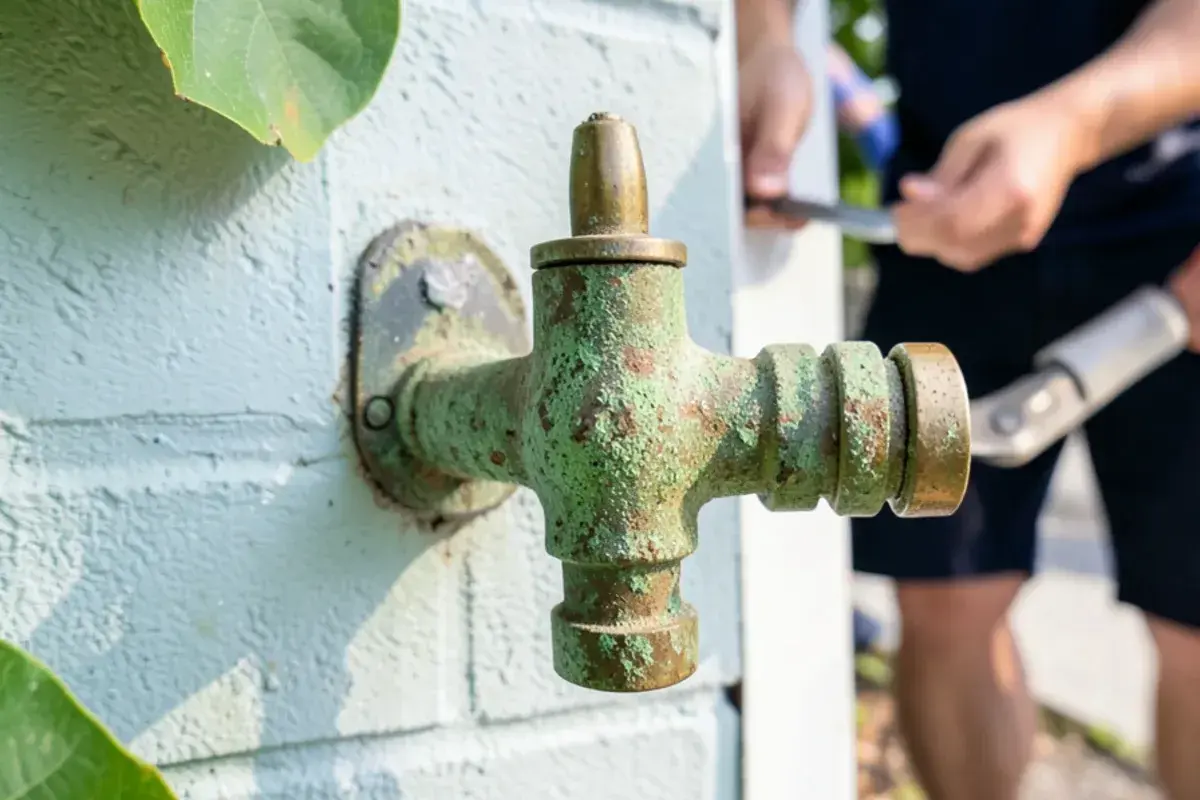
- Check outdoor spigots and exposed fittings for pitting each season, and replace them before they weep.
- Look at air handler drain lines more often in summer. The EPA advises keeping drip pans clean and drain lines flowing.
- Keep indoor humidity below 60 percent, which is the EPA's figure, and treat sweating pipes or windows as a warning.
- Do not close off rooms or shut down the air conditioning for long stretches in humid months.
- Check the wall behind anything that hides a pipe, such as a vanity or a washer.
Which jobs should you hand off?
Most of this list takes a flashlight and no tools. A few jobs carry their own leak risk, so split them before you start.
| Job | Your part | Hand it off when |
|---|---|---|
| Turning a shutoff valve | Test it in daylight, while a plumber is reachable | It will not turn, or it weeps at the stem |
| Water heater flush | Follow the label and the manual | The drain valve will not open cleanly or will not reseat |
| Washer hose swap | Close the valves and change the hoses | A valve behind the machine will not close |
| Air handler drain | Confirm the line flows and keep the pan clean | Water stays in the pan after clearing |
| Meter test | Run it twice a year | The meter moves, so a plumber can find the source |
| Roof and flashing | Look from the ground | Anything needs a ladder |
An old valve is the real trade-off here. Turning one that has sat for years can start a drip at the stem. We would still test it, because the other way to find out is during a burst. Do it on a weekday morning, never the night before a trip.
A checklist also has a limit. A pinhole in a slab line or a failing shower pan can pass every visual check, which is why the meter test stays on the list. Our guide to signs of hidden water behind walls picks up where this one stops.
Put the dates down, and call when a check finds water
Do the shutoffs this week, set the calendar dates on your phone and write the install dates on your hoses. That is the whole system. Most of it costs nothing but an hour here and there.
Prevention lowers the odds, but it does not remove them. If a check turns up wet drywall or a soft floor, our water mitigation work starts with finding out how far the moisture has gone, and a burst pipe calls for the shutoff first and the phone second. Call us with what you found, and we will come out, assess it and give you an estimate at no charge.
Frequently asked questions
How can I tell if I have a leak when nothing looks wet?
Use your water meter. The EPA advises reading the meter, waiting two hours with no water running, then reading it again, and any change probably means a leak. Slab and wall leaks can run for a long time without showing up on a floor. A spike on your water bill, a warm patch of tile or the sound of running water are also worth following up.
What should I do if a prevention check finds a leak?
Close the nearest fixture valve or the main, then have a plumber repair the source. Photograph any wet material before you dry it. If the water has reached drywall, flooring or a cabinet base, have it measured, because the visible stain rarely shows the full wet area. A small repair can still leave moisture inside a wall cavity for a long time.
How often should washing machine hoses be replaced?
Replace them every five years, and sooner if you see a problem. A guide from the Connecticut Insurance Department and the Insurance Institute for Business and Home Safety says washer makers recommend that interval and suggests reinforced braided stainless steel hoses. Check them every six months for cracks, kinks and blisters, usually near the connection, and leave a few inches behind the machine so they do not kink.
Do exposed pipes need protection during a St. Augustine freeze?
Yes, when a freeze is in the forecast, even though hard freezes are rare here. The City of Jacksonville's cold weather tips say to cover pipes and let outdoor faucets drip slowly. Start with hose bibs and any line exposed under a raised older home. Confirm your main shutoff works before the temperature drops, because a split pipe may not show itself until it thaws.
A check turned up moisture? Get it read and mapped.
Open 24 hours for emergencies. Non-emergency calls are best between 7am and 7pm.
- 5.0 on Google, 8 reviews
- Family owned since 2020
- Calls go straight to the owner
- Free assessments and estimates
1 Call Restoration, Saint Augustine, FL. (208) 464-4194.
Related services: Water Damage Mitigation, Appliance Leak Water Damage, Burst Pipe Water Damage. Serving Vilano Beach and the rest of our service area.
Sources
- Connecticut Insurance Department and IBHS, Quick Tips to Prevent Water Damage: Residential
- EPA WaterSense, Fix a Leak Week
- EPA, A Brief Guide to Mold, Moisture and Your Home
- National Hurricane Center, Tropical Cyclone Climatology
- St. Johns County, Protect Our Water
- City of St. Augustine, King Tide
- City of Jacksonville, Cold Weather Safety Tip Reminders, January 2025