
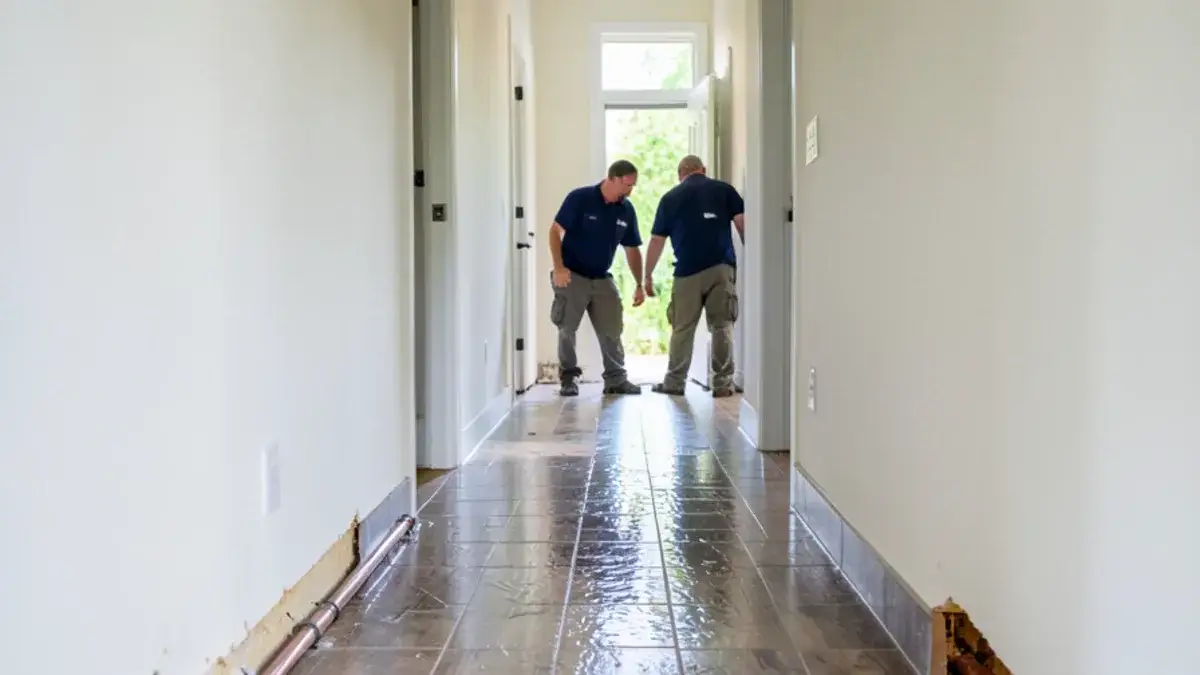
Do These Four Things First
Stop the water before you do anything else. Everything we can save depends on it, and a running pipe adds gallons every minute.
- Close the main valve. Most homes have one near the meter or where the line enters the house. Know where yours is.
- Protect yourself from power. If water is near outlets or your panel, stay back. The CDC's rule is to reach for the power only if you are on dry ground, and to bring in an electrician otherwise.
- Open faucets at the lowest point. That drains the remaining water from the lines.
- Photograph the damage and note the time. You will want the date of loss and the first images later.
Then call a plumber and us. Do not wait for one before ringing the other.
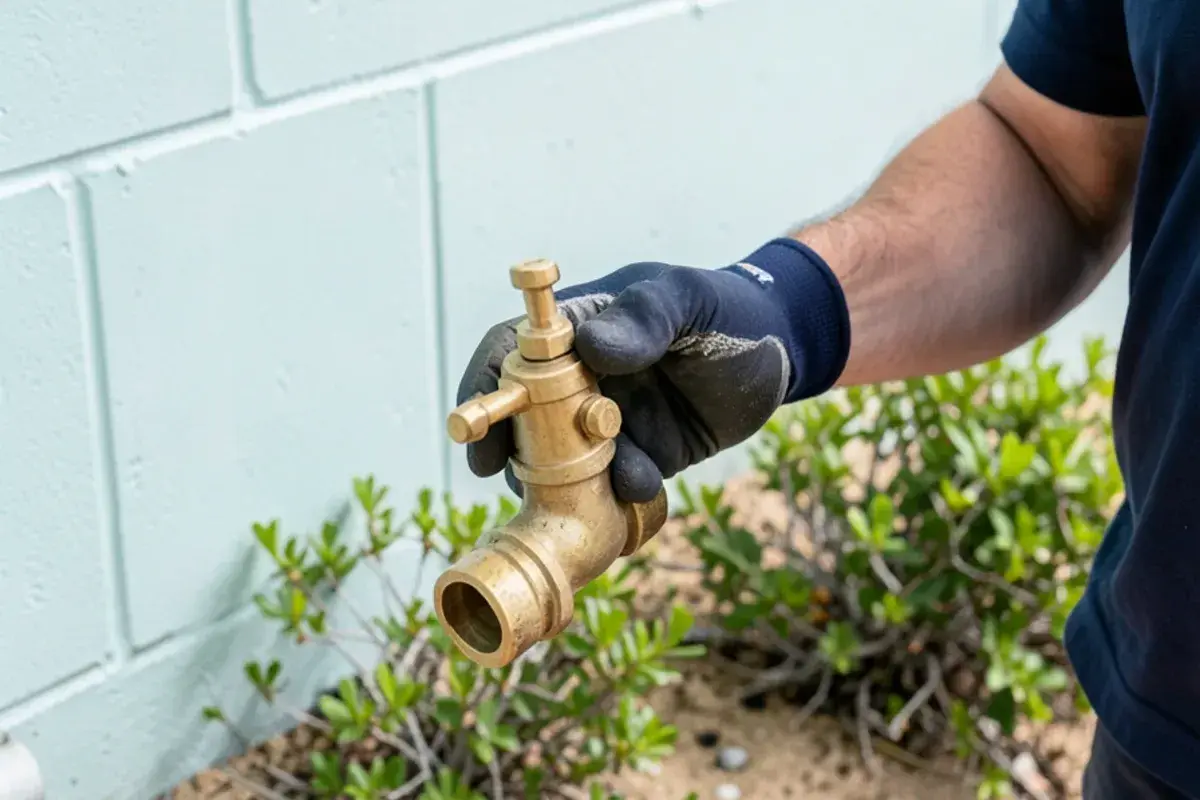
How to Recognize a Pipe That Failed Quietly
Not every burst pipe announces itself. Many of the worst losses come from small leaks that ran for a while, and the signs are easy to explain away.
- Hissing or running water inside a wall with every tap closed
- A sudden drop in pressure at the shower or kitchen faucet
- Warm patches on a tile floor, a classic sign of a hot water line under the slab
- A water bill well above the same month last year
- Damp baseboards in a room with no plumbing fixtures
Hard freezes are rare here, so don't expect that to be the cause. In our homes the failures we look for are worn fittings, old supply lines and plumbing that has simply reached the end of its life.
Age tells you where to look first. Homes in St. Augustine Shores date back to the early 1970s, and master-planned subdivisions farther north are old enough that first-generation hoses and fittings are wearing out. A slab hides the failure either way, because the water has no ceiling to stain.
What a Pipe Burst Job Includes
Our job starts where the plumber's ends. The plumber stops and repairs the line, and we deal with everything the water reached: floors, walls, cabinets and sometimes the room below. That split matters on the bill and on the schedule, so we agree on it with you and your plumber at the start.
- Extraction of standing water from floors, carpet and pad
- A moisture map of every room the leak reached
- Flood cuts or small access openings where readings call for them
- Removal of wet insulation, pad and failed drywall
- Air movers and LGR dehumidifiers, with daily readings
- Photos, moisture logs and an itemized estimate
A slab leak usually means access work on top of this, because the plumber may need to open the floor. We plan around that opening so nobody cuts the same floor twice.
Supply Lines, Wall Pipes and Slab Leaks
Where the pipe failed decides the job. The cleanup for a toilet supply line looks nothing like the cleanup for a slab leak, so we look at the source first.
| Failure | Where water goes | What it means for drying |
|---|---|---|
| Supply line at a sink or toilet | Floods the room quickly, then the cabinet base and walls | Often clean water, most materials can be dried if caught early |
| Pipe inside a wall | Runs down the cavity, wets insulation and bottom plate | Usually needs an opening, sometimes a flood cut |
| Pipe in a ceiling | Pools on drywall, then drops to the room below | Open the ceiling at the low point |
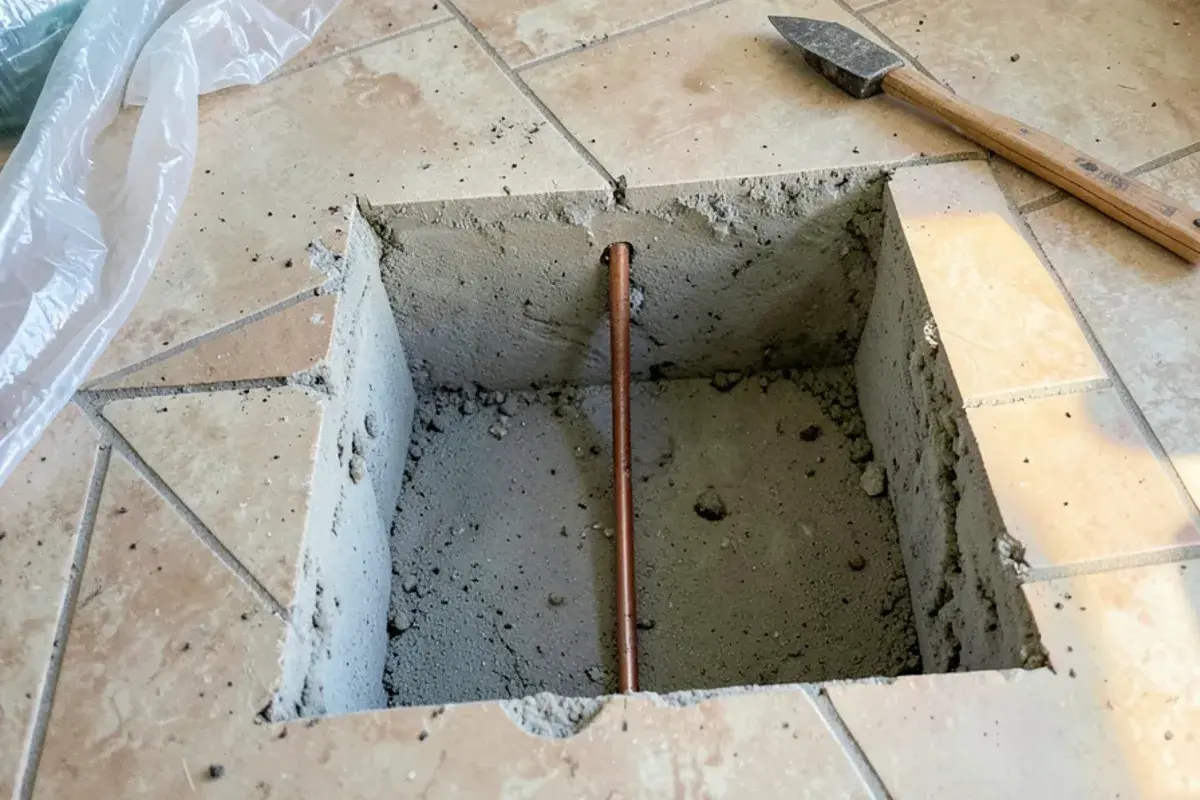
| Slab leak | Spreads under flooring, surfaces at seams or baseboards | Plumber isolates first, drying follows |
Why slab leaks take the longest
Many St. Augustine homes sit on a concrete slab, so a line under the floor has nowhere to go but sideways. Water travels under tile and carpet, and the place you see it may be far from the break. The plumber locates and repairs the line. We then meter the slab, the baseboards and the bottom of the block walls, and dry the rooms it reached.
Pipe let go? Shut the main and call the owner.
Open 24 hours for emergencies. Non-emergency calls are best between 7am and 7pm.
- 5.0 on Google, 8 reviews
- Family owned since 2020
- Calls go straight to the owner
- Free assessments and estimates
Request a free estimate
Not an emergency? Send the details and we will call you back. If water is still moving, call instead.
How We Handle a Burst Pipe Visit
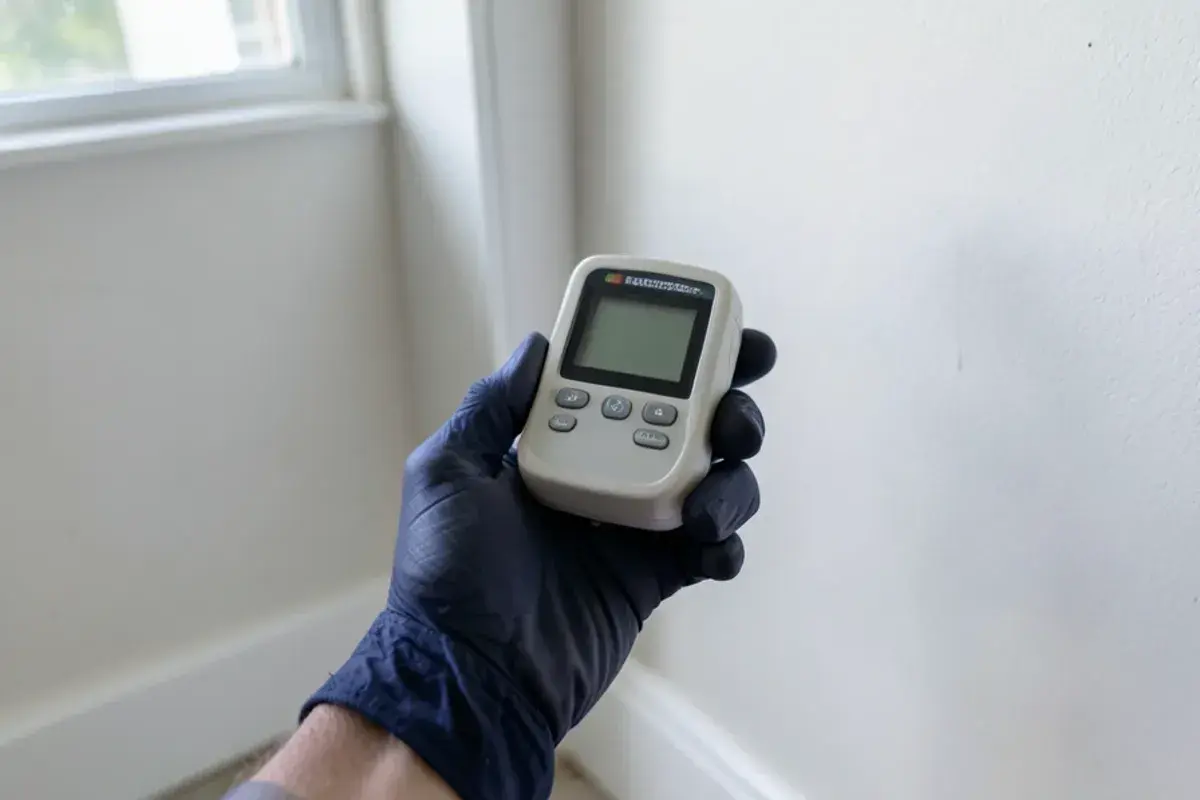
We start by finding out how far the water went, because the pipe is rarely the only wet thing. Thermal imaging shows temperature patterns in walls and ceilings, and a moisture meter confirms what is actually wet.
- Confirm the water is off, hear what the plumber has found and photograph every affected room before anything moves.
- Classify the water, since a burst pipe usually starts as Category 1, and map the moisture with meters and thermal imaging.
- Write the scope and go over the estimate with you.
- Extract what is standing with a portable extractor and lift wet carpet or pad.
- Open only what the readings call for, such as a flood cut along the wall.
- Set air movers and LGR dehumidifiers, return for daily readings and hand over the final moisture log when the dry standard is met.
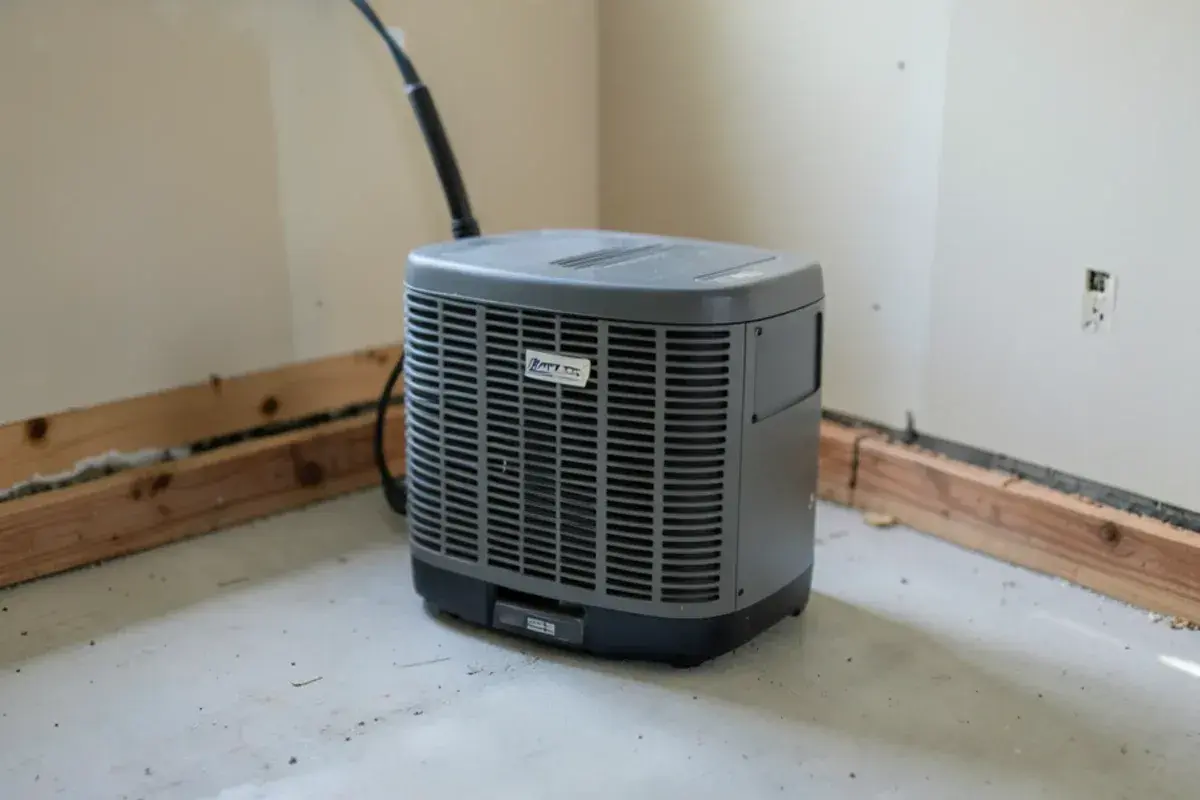
What Should You Expect From Pipe Leak Restoration?
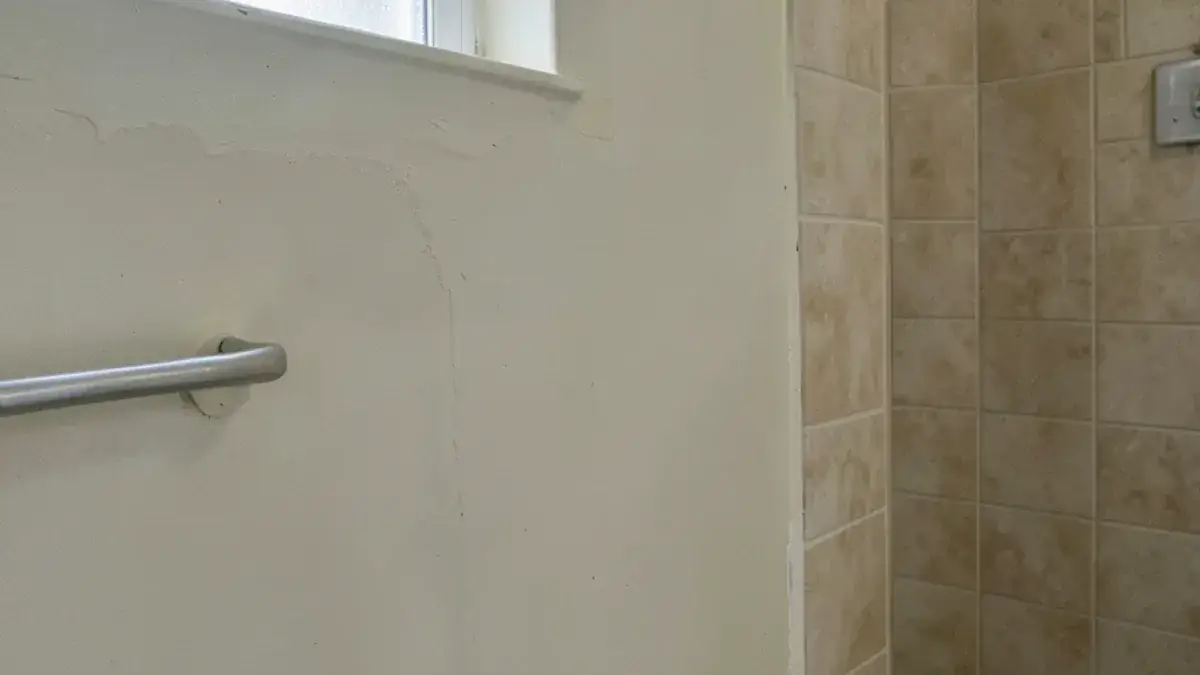
Plan on noise and possibly a few open walls, with the end point set by readings. The longer a leak ran before you found it, the more likely material has to come out. A fresh break found quickly is a very different job from a slow leak behind a shower.
Keep your documents together from day one. Florida's deadline matters here: F.S. 627.70132 sets 1 year from the date of loss to give claim notice, or 18 months for a supplemental claim. We supply photos, moisture logs and an itemized estimate, then go through that estimate with you line by line. What a claim pays is decided by your policy wording and your adjuster, so take coverage questions to your insurer, an attorney or a licensed public adjuster. Should you decide to file, we can talk you through how the steps usually go.
After drying, we plan the order of the put-back: drywall first, then paint and flooring.
Permits and licenses after a broken pipe
The pipe repair sits under its own rules. Florida's F.S. 489.113 requires anyone engaging in contracting to be certified or registered, and the City of St. Augustine's permit page says plumbing work still needs a permit whatever it costs. Its $7,500 exemption for single-family improvements, which began July 1, 2026, does not cover plumbing, electrical, mechanical, gas or structural work, or flood hazard properties. Outside the city, ask your county or town building office.
Whoever does the permitted work pulls the permit. Ask any company for its license number and check it on the DBPR site, ours included.
What Moves the Price After a Broken Pipe?
Run time moves it most. A pipe caught right away is mostly extraction and a short drying job, while one that ran unseen pulls in demolition and more equipment days. Your assessment and estimate cost nothing, and no one will pressure you to sign.
- How long it ran: more time means more wet material
- Access: walls, ceilings and slabs all open differently
- Flooring over the slab: tile, carpet or wood
- Wet height: how far up the walls the water wicked
- Category drift: clean water that sat and worsened
Construction changes the number here too. On a slab, tile can trap water that has to dry through the concrete, so it can add equipment days or come up. Block walls dry slower than framed walls, and old plaster slower again. A second story adds the ceiling below it.
Why Plumbers and Homeowners Call Us
Plumbers often see the damage first, and we hear from them for that reason. One local plumbing company's review appears below, and that reviewer works with us, as the review notes.
- Owner Dal Beggs and his son run the company, and your call reaches the owner
- We work around your plumber and share what we find
- Photos before demolition, with moisture logs from the first visit on
- Family owned and locally owned, founded in 2020
Older plumbing shows up across our area, from St. Augustine Shores and 1980s block homes in Palm Coast to the older housing of Palatka. We cover all of St. Johns County and five counties beyond it.
What customers say
5.0 stars on Google from 8 reviews. Quoted as written.
“Highly recommend Dal and his team at 1 Call Restoration - great locally owned company. We had a pipe burst that flooded parts of our home - it was such a stressful situation for our family. Dal and his team were amazing through the whole process. They helped us get everything cleaned up and even helped us as we worked with our insurance. Super thankful for their expertise, quality work, responsiveness, and professionalism.”
“Where a local plumbing company who’s used Dal many times. He’s always been helpful and honest. 1 call is a great asset for our customers!”
Frequently asked questions
Who repairs the pipe, you or a plumber?
A plumber repairs the pipe, and we handle the water damage it caused. Florida requires a person to be certified or registered to engage in contracting, under F.S. 489.113, so hire the plumber on that basis. We work well alongside plumbers, and it helps if the two trades talk: the plumber needs access, and we need to know what we can open.
Do you fix the slab leak first or dry the floor first?
The leak gets fixed first, because a slab that is still being fed will never reach the dry standard. Until then we can extract water and protect the rooms. Once the plumber has isolated or rerouted the line, we meter the slab and the walls around the repair. Tile and carpet over the slab change how long drying takes.
Can a burst supply line be Category 1 water?
Yes, usually at first, because a supply line carries clean drinking water. That is why fast response matters: a leak caught early keeps more of your home in the dry-in-place column. Water that sits, or that runs through dirty wall cavities, can move up a category. We classify it on arrival rather than from the type of pipe.
How do I know a hidden pipe is leaking if I see no water?
Try the EPA's meter test: note your water meter with nothing running, wait two hours without using water, then read it again. A change points to a likely leak. Also compare your bill with the same month last year, and listen for hissing inside walls. A warm patch on a tile floor can point to a hot water line under the slab.
Should I wait for the plumber before calling you?
No, call both at once. Shut the main first, then start both calls. The two jobs overlap, and every hour matters to your drywall. We can extract while the plumber finds the break. If the water is off, we can start on the rooms, and the plumber's findings go straight into your record of the date of loss.
What if the pipe burst inside a ceiling?
Treat the room below as unsafe until the water is off and the power to that area is cut. Water in a ceiling cavity sits on the drywall and near wiring, so stay out from under any sag. Our ceiling water damage page covers what to do next, and we can dry the floor below as part of the same visit.
Plumber on the pipe, us on the water. Call now.
Open 24 hours for emergencies. Non-emergency calls are best between 7am and 7pm.
- 5.0 on Google, 8 reviews
- Family owned since 2020
- Calls go straight to the owner
- Free assessments and estimates
1 Call Restoration, Saint Augustine, FL. (208) 464-4194.
Related services
Worth reading
Where we handle burst pipe water damage
See all of our service areas.