
Emergency guides
House Flooded? Your Step-by-Step Safety Guide
By Dal Beggs, founder and owner of 1 Call Restoration. Published November 1, 2026. Updated November 1, 2026.
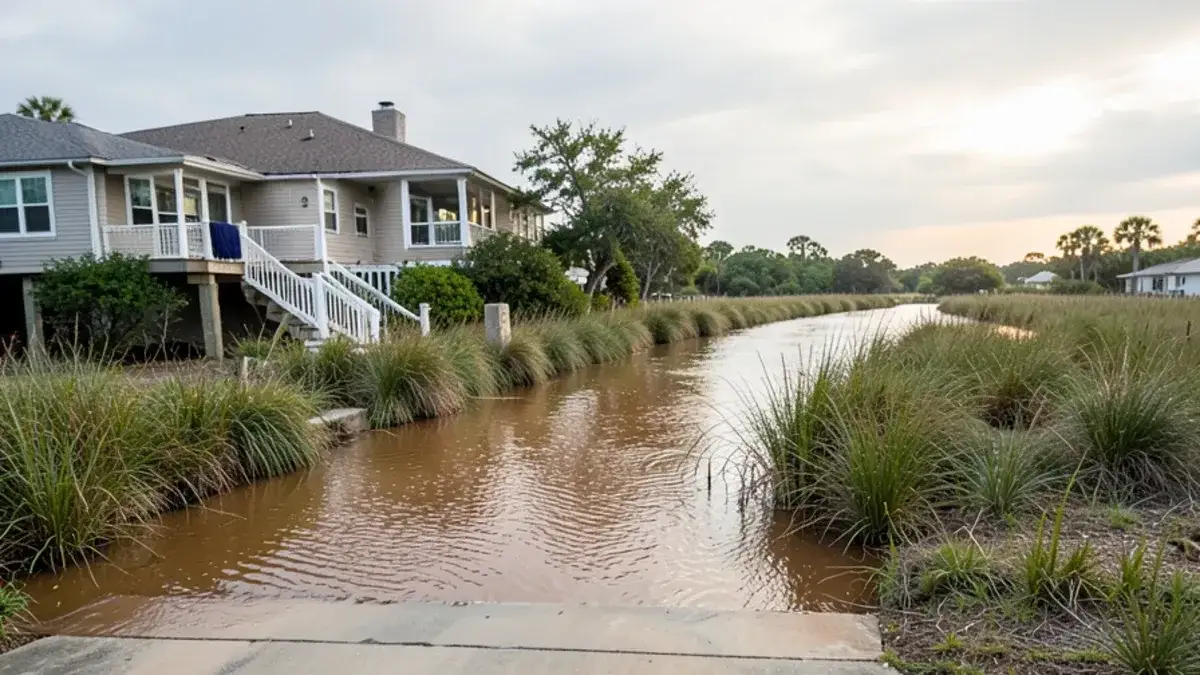
House flooded and wondering what to do? Get everyone out, stay out until local officials say it is safe, and keep away from anything electrical. Then work from the outside in, because gas, power and structure decide whether you can enter. Flood water is Category 3 water, so this is never a mop-and-bucket cleanup.
Should you go back in yet?
Not until authorities say so. Ready.gov is direct about this: return only when officials say it is safe. Treat the checklist below as a gate. If you cannot answer yes to all of it, wait outside.
- Local officials have cleared your area.
- No downed power lines sit near the house or yard.
- You smell no gas.
- The walls, porch and roof look straight and sound.
- Water around the home has gone down.
- Someone knows you are going in, and you have a flashlight.
The reason for all this caution is simple. A flooded house can look calm and still carry shock, gas or a failing floor. Your belongings can wait a day.
Flood water inside? Call before you start pulling things out
Open 24 hours for emergencies. Non-emergency calls are best between 7am and 7pm.
- 5.0 on Google, 8 reviews
- Family owned since 2020
- Calls go straight to the owner
- Free assessments and estimates
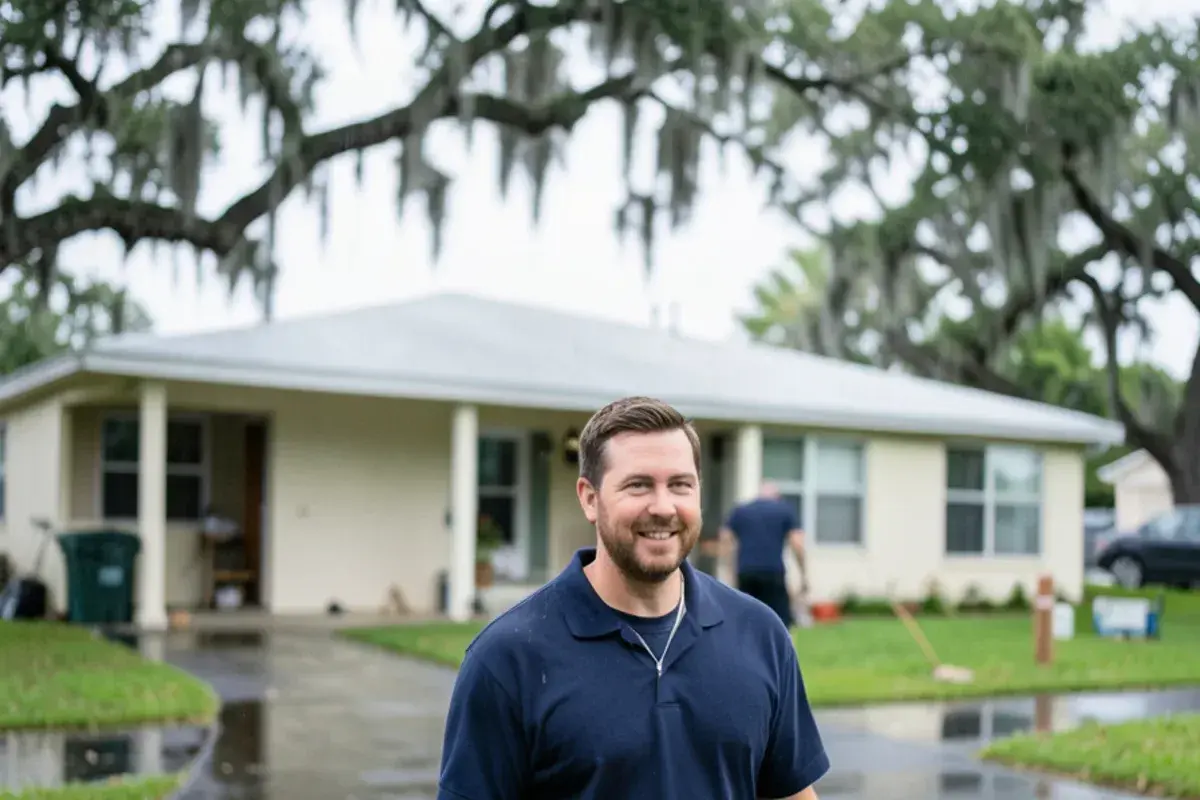
Step by step, from the curb to the front door
Work through these in order once the gate above is clear. Stop at any step that feels wrong and call the utility, the fire department or an electrician.
- Look at the outside first: foundation, porch posts, roofline and the meter.
- Check for wildlife before stepping in. Ready.gov warns that snakes and other animals may have moved indoors.
- Put on rubber boots, rubber gloves and goggles, the gear CDC names when sewage may be involved.
- Enter with a flashlight, not a candle or lighter.
- Leave wet electrical equipment alone. Never touch it while standing in water.
- Turn off power at the main only if you can reach it dry. CDC says to call an electrician if you would have to step into standing water to get there.
- Shut off the gas and water if they are still on and you know how.
- Photograph every room, waterline and damaged item before anything moves.
- Keep children and pets out. Ready.gov says children should not take part in cleanup.
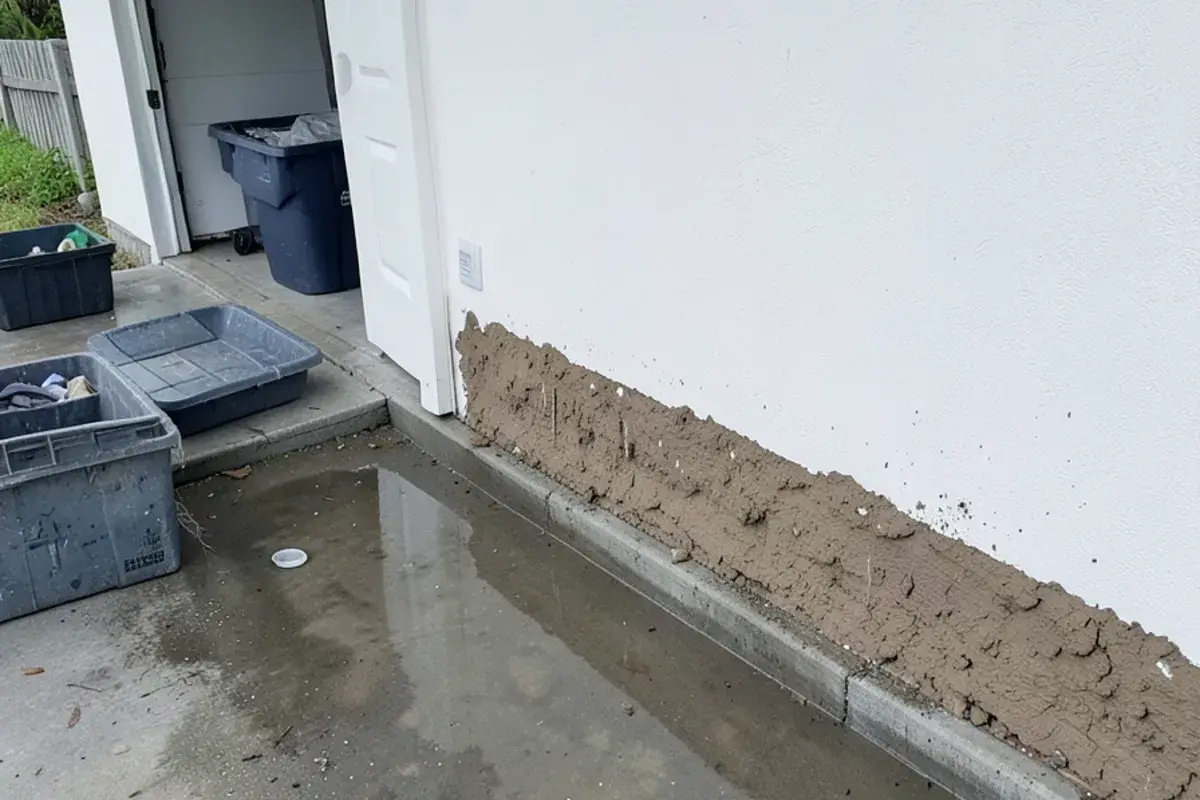
House flooded? What to do about gas, power and tap water
No single person clears a flooded house. Officials open the area, and then each system gets its answer from its own trade. Work down this table, built from CDC's reentry guidance and Ready.gov, before you treat the home as livable.
| Question | Who answers it | Until you have the answer |
|---|---|---|
| Is the area open? | Local officials | Stay away, and drive only in an emergency |
| Is the building sound? | A building inspector, if the home has damage | Stay out |
| Is there a gas leak? | The gas company or fire department | If you smell gas, close the main valve, open windows and leave, with no switches or sparks |
| Can the power go back on? | An electrician | Battery flashlights only, and no candles or gas lanterns |
| Is the tap water safe? | Local guidance, or a test on a private well | Bottled, boiled or treated water for drinking, cooking and teeth |
| Can the AC run? | An experienced mold-cleanup professional | Leave the system off |
Go back in daylight. Keep any gasoline pump or generator at least 20 feet from doors, windows and vents, the distance CDC gives. Ready.gov also says people with asthma, other lung conditions or weakened immune systems should stay out of buildings with visible mold or indoor water leaks.
Why is flood water treated as Category 3?
Flood water counts as Category 3 because you cannot know what it carried. It crosses yards, roads, septic systems and storage sheds on the way in, and Ready.gov warns that it can be contaminated. The same goes for storm surge and river overflow.
The category changes the job. Clean water from a supply line may dry in place. Category 3 water usually means porous materials come out, because they cannot be cleaned to a safe level. CDC says to remove and discard drywall and insulation contaminated with sewage or floodwater, along with carpet, mattresses and upholstered furniture you cannot clean and dry quickly.
Geography matters here too. Vilano Beach sits between the Atlantic and the river, so water can come from either direction, and silt and salt can arrive with it. Salt does not leave with the water. It stays in the materials, and it is one more reason to look hard at anything porous that went under.
What we check first on a flooded house
We start by finding how high the water stood and how far it wicked. That line sets the scope, and it is usually higher inside the wall than the stain on the paint suggests.
Our first pass runs in this order:
- Waterline height, room by room, with photos before demolition.
- Moisture meter and thermal imaging readings above the visible line.
- Water category, so nobody treats contaminated water as clean.
- Floor assembly, since wet subfloor and slab edges hold water long after the room looks clear.
- A written scope before heavy work, so you see what stays and what goes.
From there the flood cut comes in: a horizontal cut through drywall above the wet line, so the section that took on water leaves the house. Containment and HEPA air scrubbers run during demolition, then air movers and LGR dehumidifiers take over. Our flood and storm damage page covers those stages in more detail.
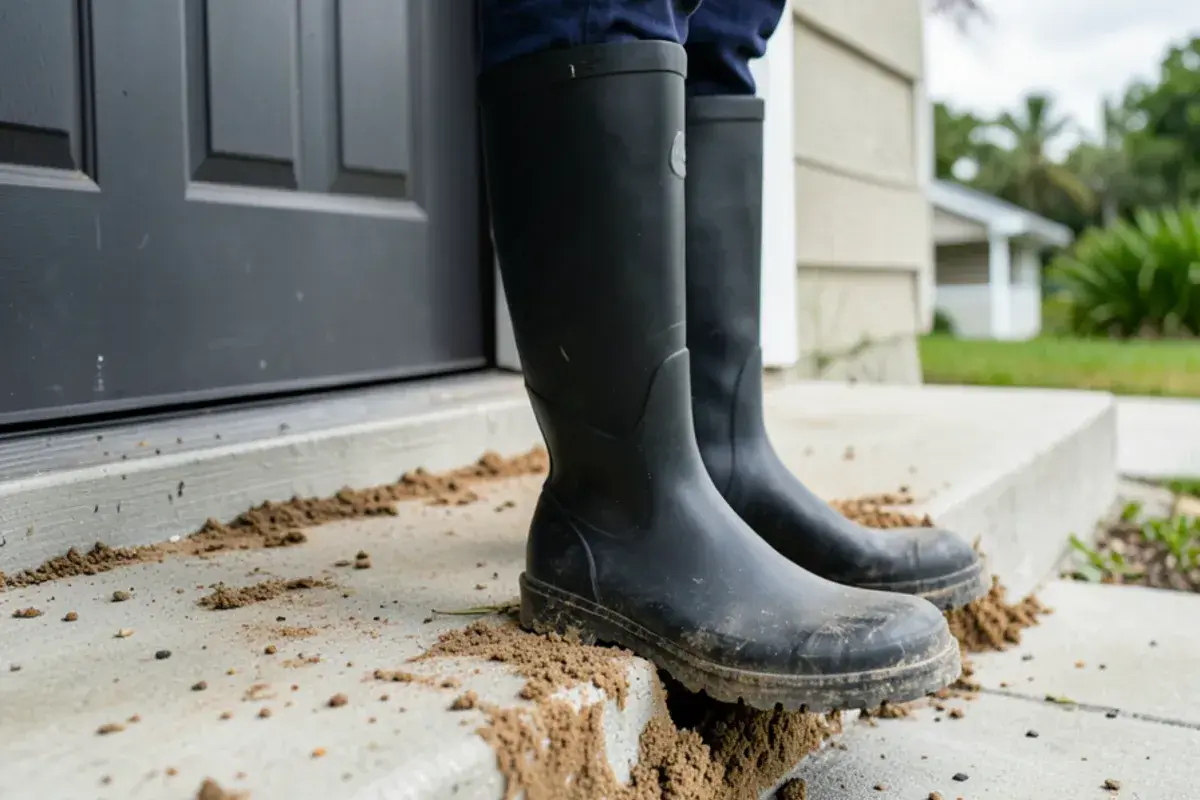
Back after an evacuation: what changes?
A house that sat closed for days is a different job from one you caught in the first hours. CDC says to assume there is mold if a flooded home stayed closed for several days, to enter briefly, and to air it out for at least 30 minutes before staying longer.
Getting there can be the first obstacle on a low island. Hurricane Matthew left sand overwash on roads at Vilano Beach, per the National Hurricane Center, and Nicole's surge in 2022 partly collapsed A1A's northbound lane, per the National Weather Service. A quick trip to look can put you in the way of road crews, so wait for the clearance.
Air it first, then close it up
People get stuck here, because the advice seems to conflict. CDC's airing step is about the air you breathe when you walk in. Drying is about the water held in the materials, and on this coast the outside air rarely has room to take it. So air the house when you arrive, then expect it to be shut once LGR dehumidifiers are running.
Should you start pulling things out yourself?
Not until the table above is finished and the photos are done. After that it is a trade-off. Carpet you drag out today stops feeding moisture into the room, but it is heavy, it is Category 3 and it can leave a trail through rooms that stayed clean. We would rather you spend that time on the record and leave demolition to a crew running containment.
What can wait, and what cannot
Wait on the things you want to do, and move fast on the things you must. Sorting family keepsakes, repainting and picking new flooring can wait. Calling for help, recording the damage and getting wet material out of the house cannot.
| Do it now | Leave it for later |
|---|---|
| Stay out until cleared | Sorting keepsakes in wet rooms |
| Photograph everything before it moves | Any repair to walls or floors |
| Call for extraction and a drying plan | Choosing paint or new flooring |
| Open a claim if you plan to file one | Throwing out items before they are recorded |
If rain came in through wind damage instead of rising water, the first steps are similar but the scope is often different, and our storm damage restoration page explains how.
When the water is down, make the call
Once the house is cleared, call. It goes straight to the owner, and with an emergency you can call any time. For a home that has taken on water right now, our emergency water damage page sets out what happens first.
We will look at the damage, explain what we found and write up a free estimate. Then you decide. If you are still standing at the curb and not sure the house is safe, stay there, call the utility or the fire department first, and call us after.
Frequently asked questions
Can I wade in to save photos and papers from a flooded room?
No, not while the water is standing or the power is uncertain. Ready.gov warns that floodwater can be contaminated, can hide debris and can be charged by downed or underground lines. Your papers can usually wait. Once the house is cleared, lift photos and documents out, keep them flat and away from sun, and ask a conservator about anything you cannot replace. Your safety comes ahead of any box.
Is it safe to run a generator after a flood?
Yes, outside only and well away from doors and windows. Ready.gov says gasoline-powered generators and machinery belong outdoors, never in the home or garage. CDC adds that a generator should not be connected to home circuits without an approved automatic-interrupt device. Do not plug anything into outlets that got wet, and let an electrician look at flooded panels and circuits before you bring the home back online.
How soon should drying start once a flooded house is cleared?
Start as soon as the structure is cleared and the water is out. EPA says wet areas and items should be dried within 24 to 48 hours to prevent mold, and its flood guide tells homeowners to assume mold is present when that window is missed. On Florida's coast the air is humid, so open doors will not do it alone. Keep your own safety ahead of the clock, but do not let days go by.
Water is down and the house is cleared? Call and we will assess it
Open 24 hours for emergencies. Non-emergency calls are best between 7am and 7pm.
- 5.0 on Google, 8 reviews
- Family owned since 2020
- Calls go straight to the owner
- Free assessments and estimates
1 Call Restoration, Saint Augustine, FL. (208) 464-4194.
Related services: Emergency Water Damage, Flood and Storm Damage, Storm Damage Restoration. Serving Vilano Beach and the rest of our service area.
Sources
- Ready.gov, Floods
- CDC, Guidelines for Cleaning Safely After a Disaster
- CDC, Reentering Your Flooded Home
- National Hurricane Center, Tropical Cyclone Report: Hurricane Matthew
- National Weather Service Jacksonville, Post Tropical Cyclone Report: Nicole
- EPA, Mold Cleanup in Your Home
- EPA, Homeowner's and Renter's Guide to Mold Cleanup After Disasters