
Commercial and property managers
Water Loss Response Plan for Property Managers
By Dal Beggs, founder and owner of 1 Call Restoration. Published November 1, 2026. Updated November 1, 2026.
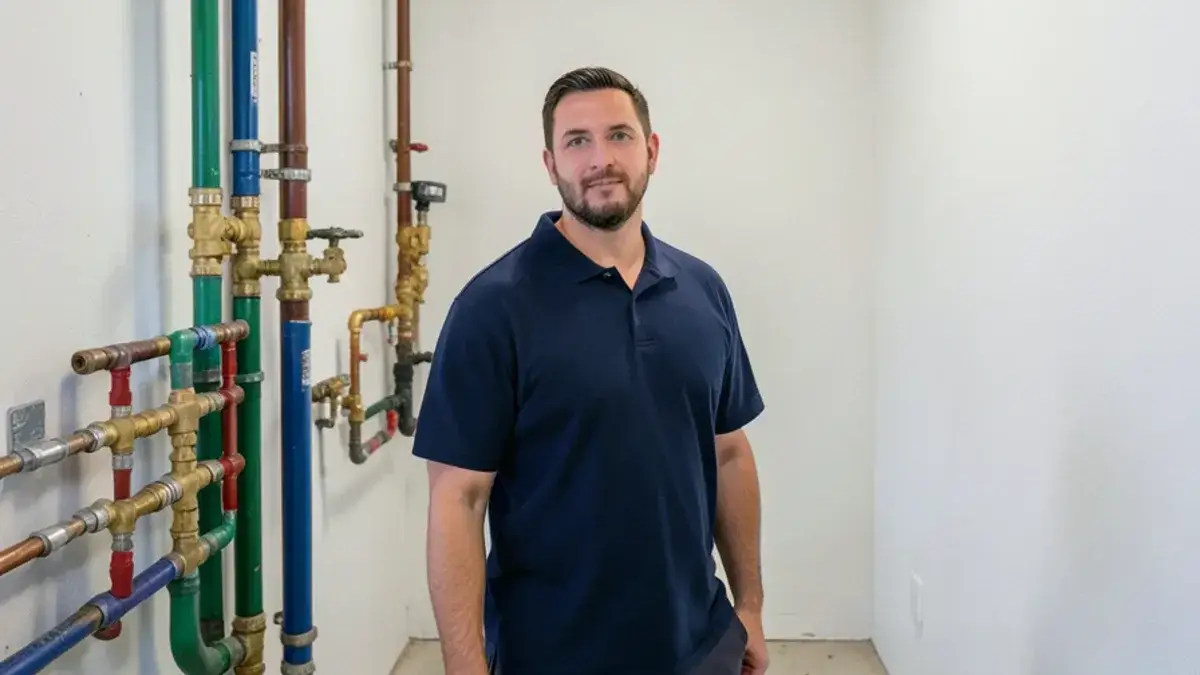
A property manager's water damage plan is a one-page document, written before any loss, that says who shuts off what, who can approve work and who tells the tenants. Those decisions take minutes in a calm office and hours in the middle of a leak. Build it now and keep a copy off-site.
What should a water loss plan cover?
A water loss plan should cover eight things, and it should fit on one page. A long binder is fine for reference, but nobody reads it with water running under a door.
- A shutoff map for every building, with valve locations and any tools needed
- A contact tree for after-hours calls, with one backup per role
- Who may approve emergency work, and up to what amount
- Named vendors for plumbing, electrical and water restoration
- Unit access rules, including keys and notice to tenants
- A template message for tenants and owners
- A list of the records to collect on every loss
- Insurance contacts and who is authorized to notify them
Review it once a year and after every loss. Each real event shows you which line was wrong.
Water in a unit right now? Call the owner directly.
Open 24 hours for emergencies. Non-emergency calls are best between 7am and 7pm.
- 5.0 on Google, 8 reviews
- Family owned since 2020
- Calls go straight to the owner
- Free assessments and estimates
Who does what in the first hour?
Assign each job to a role, not a person, so the plan survives staff changes. The table below is a starting point to adapt.
| Role | First job | Record to keep |
|---|---|---|
| On-call staff | Close the valve, check electrical safety | Time found, time stopped |
| Property manager | Call vendors, notify owner | Who was called, and when |
| Plumber | Repair the source | Invoice naming the cause |
| Restoration vendor | Assess, map moisture, start extraction | Photos, moisture map, written scope |
| Owner or board | Approve scope above the limit | Written approval |
The date of loss and the cause should be written down within the first hour, while people remember. Adjusters and owners will ask for both later.
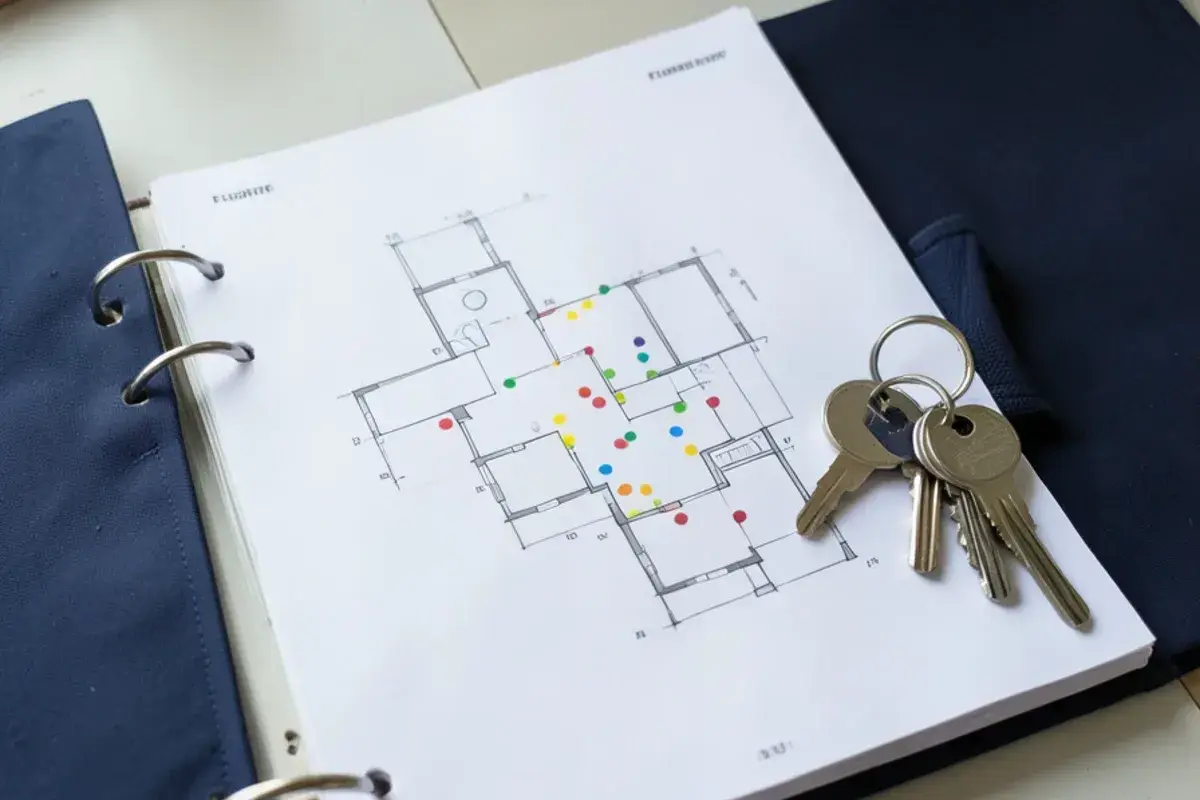
Set spending limits before you need them
A spending limit gets rid of the worst delay in property management: waiting for an owner to answer a phone at night. The EPA says water-damaged areas should be dried within 24 to 48 hours to prevent mold growth, and an approval that takes a weekend uses up that window.
Put these points in each management agreement:
- A dollar limit for emergency work without prior approval
- What counts as an emergency, in plain words
- Who can approve above the limit, and a backup person
- How the owner receives the written estimate and scope
Keep emergency work separate from the repairs that follow. Extraction and drying are urgent. Repairs and finish choices can wait for normal approvals and competing bids.
What should tenants hear, and when?
Tell tenants quickly, tell them what you know and give them one contact. Silence creates more calls than a short, honest notice does.
Your message should cover what happened, what will be turned off and when, who will enter the unit, and how to protect personal belongings. Avoid saying who is at fault or what insurance will pay. Those answers are not yours to give yet.
Florida law adds weight to this in residential rentals. Under F.S. 83.63, a tenant may terminate or vacate an unusable part of the premises when casualty damage substantially impairs enjoyment of it, with rent reduced for that part, unless the tenant's own wrongful or negligent act caused the damage. Run any such question past your attorney, and keep dated notices. Tenants should also take questions on their belongings to their own insurers.
Getting into a unit after hours
Write the access rule into the plan, because the person holding the master key at night should not be deciding it alone. Under F.S. 83.53, a landlord may enter at any time for the protection or preservation of the premises, and may enter in an emergency. Entry for repairs takes at least 24 hours' notice, at a reasonable time between 7:30 a.m. and 8 p.m.
A running leak and a later drying visit can fall on different sides of that line, so ask your attorney how to word it for your leases. Log who entered, when and why. The same section bars using access to harass a tenant, and a clean log answers that question before anyone asks it.
Can tenants stay while the equipment runs?
Decide unit by unit, and say so plainly before the air movers start. They run day and night, they are loud, and the doors have to stay shut for the LGR dehumidifier to work.
| Situation | What usually works | What to plan for |
|---|---|---|
| Clean water, one room | Tenant stays in the rest of the unit | Noise, cords in walkways, daily access for readings |
| Kitchen or only bathroom out of use | Depends on the household | Whether the unit still works as a home, a question for your attorney under F.S. 83.63 |
| Category 3 water or active demolition | Nobody stays in the work area | Containment and HEPA air scrubbers, or a temporary move |
We can tell you what the work involves. Whether anyone has to move, and who pays if they do, stays with you, the owner and your attorney.
Which records protect the owner?
Collect the same file on every loss, so nobody has to rebuild it from memory a year later. Florida Statute 627.70132 sets the notice deadline for a claim at one year from the date of loss, and supplemental claims at 18 months. Your policy wording and your adjuster decide the rest.
- Date of loss, cause and time the water stopped
- Photos and video from before any demolition
- Moisture logs, equipment records and the claim documentation file
- Written scopes, itemized estimates and invoices
- All notices sent to tenants and owners
Condos need one more line. Under F.S. 718.111(11), the association's policy and each unit owner's policy have different roles, so see our page on condo and HOA water damage and get the association documents involved early.
Walk the plumbing before it fails
Walk each building once a year and treat the result as part of the plan. In an established community like St. Augustine Shores, aging plumbing makes this especially worthwhile.
- Label each main and riser shutoff, and test that it closes.
- Note the age of water heaters and supply lines by unit.
- Check air handler pans and drain lines before summer.
- Record which units sit below bathrooms or laundry rooms.
The units below wet areas are usually the second call in any loss.
Run a ten-minute drill each spring
Test the page once a year, in the spring, so any fix is done before the National Hurricane Center's June 1 season start. A plan nobody has tried usually fails at a phone number.
- Pick a building and call the after-hours line from outside the office.
- Have whoever answers name the valve for one unit, using only the map.
- Ask them to reach the person who can approve work, then the backup.
- Time each step, and fix whatever took longest.
Two small habits help between drills. Show each new tenant the unit shutoff at move-in, and mark every valve that feeds a fire sprinkler system so nobody closes one without authorization from whoever maintains that system.
What we would ask you to put in your vendor rules
If we are on your plan, these are the terms we would suggest for any restoration vendor, ours included:
- Written scope before heavy work, plus photos before demolition
- Daily moisture readings shared with the manager
- One named contact for each commercial water damage job
- Containment where a work area meets occupied space
- No talking to tenants about fault or coverage
- No negotiating with insurers. We supply documents and explain our own estimate.
One vendor, or a bench of two?
Name two. A single vendor gives you one phone number and one way of working, and a building that vendor already knows. It also fails you in a regional storm, when every property in the county calls the same crews at once, us included.
The fair trade-off is on price. A pre-approved vendor costs you some competition on the emergency work, since nobody bids a burst pipe at midnight. Keep the competition for the put-back, where the scope is written and there is time to compare estimates.
Get the page written before the next leak
Every line above is a decision you can make for free on a quiet afternoon, or under pressure at night with water running. Write the shutoffs, the roles and the limit on one page, run the drill and keep a copy off-site. For unit-to-unit losses, our guide to who pays when a condo leak reaches the unit below sets out what the statute says.
Calls reach the owner directly, and emergencies are taken at any hour. Non-emergency planning calls work well between 7am and 7pm. Call us to go through your plan, and we can talk through how we would work a loss at your property before you ever have one.
Frequently asked questions
Should a property manager line up a restoration company before a loss?
Yes, because vetting a vendor during a burst pipe leads to rushed decisions. Do your checks in advance: the DBPR license lookup, proof of insurance, a sample moisture log and how after-hours calls get answered. Then put the name and direct number in your plan. Lining up a contact commits you to nothing, and you can still compare written estimates on any given loss.
Can a Florida tenant stop paying rent after water damage?
It depends on the damage and the lease, so bring this to your attorney. Florida Statute 83.63 lets a tenant terminate or vacate an unusable part if casualty damage substantially impairs enjoyment of the premises, and it reduces rent for the vacated part by its fair rental value, unless the tenant wrongfully or negligently caused the damage. Keep your dated notices and photos together, because timing often matters.
Who should notify the insurance company after a water loss in a rental?
Your management agreement should name that person, usually the owner or the manager acting on the owner's written instruction. Florida Statute 627.70132 sets a one-year notice deadline from the date of loss, but prompt notice is the safer habit. Tenants with renters policies should contact their own insurers about their belongings, since that policy is theirs.
Want a contact on your plan before a loss? Call us.
Open 24 hours for emergencies. Non-emergency calls are best between 7am and 7pm.
- 5.0 on Google, 8 reviews
- Family owned since 2020
- Calls go straight to the owner
- Free assessments and estimates
1 Call Restoration, Saint Augustine, FL. (208) 464-4194.
Related services: Commercial Water Damage, Water Damage Documentation, Condo and HOA Water Damage. Serving St. Augustine Shores and the rest of our service area.
Sources
- Florida Statutes, Section 83.63, Casualty damage
- Florida Statutes, Section 83.53, Landlord's access to dwelling unit
- National Hurricane Center, Tropical Cyclone Climatology
- Florida Statutes, Section 627.70132, Notice of property insurance claim
- Florida Statutes, Section 718.111, The association
- EPA, A Brief Guide to Mold, Moisture and Your Home