
Problem solving
How Long Does It Take to Dry Out a Water-Damaged House?
By Dal Beggs, founder and owner of 1 Call Restoration. Published November 1, 2026. Updated November 1, 2026.
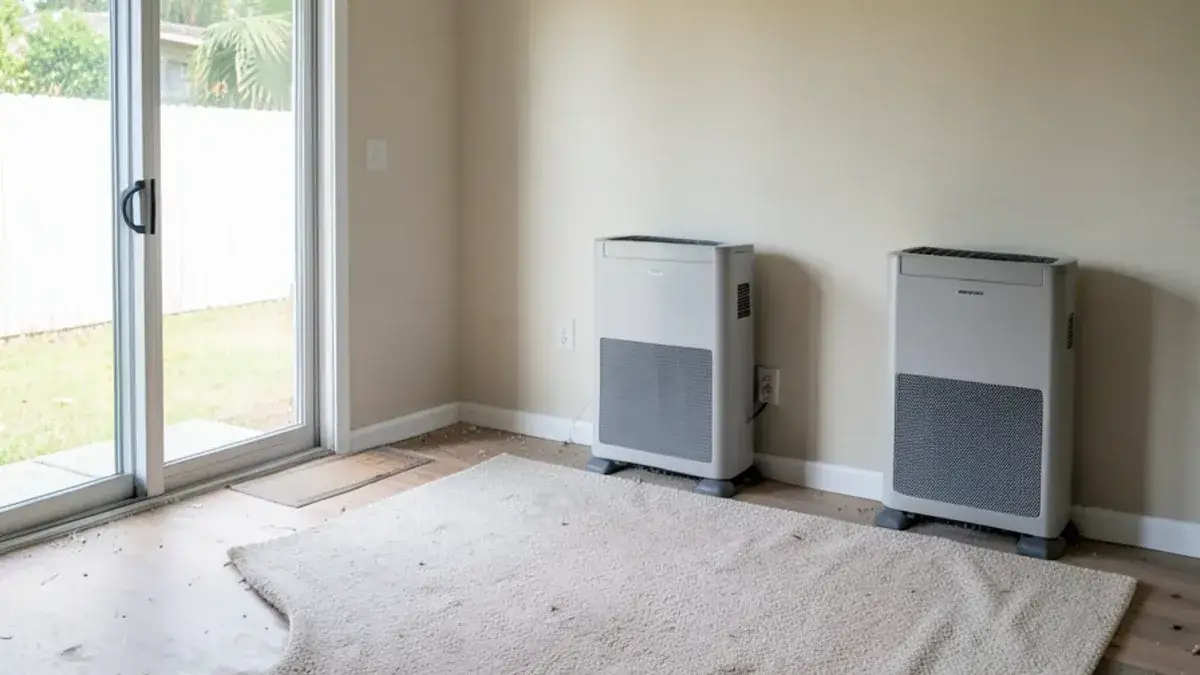
How long it takes to dry water damage has no honest fixed answer, because the job ends on moisture readings, not on a calendar. Public guidance says a house left to dry on its own can take weeks. Professional drying runs as long as the materials need, ending when wet materials match unaffected ones in your home.
So how long does it actually take?
As long as the materials need, and anyone who gives you a firm number on the phone is guessing. Purdue University put it plainly in 2015: drying a house out to the point where repairs can be made could take weeks. That guidance was written for homeowners after a flood, not for a crew running monitored equipment.
You may also see "3 to 5 days" on restoration websites. We could not trace that figure to EPA, FEMA, an extension service or any public standard, so we do not quote it. Small clean-water jobs can finish quickly, and bigger ones do not. What we can give you is a plan based on your readings, updated every day.
The number that does have authority behind it is about the start. EPA says to dry water-damaged areas and items within 24 to 48 hours. So the deadline that matters is when drying begins, not when it ends.
Want a real drying plan for your house? Call us for readings
Open 24 hours for emergencies. Non-emergency calls are best between 7am and 7pm.
- 5.0 on Google, 8 reviews
- Family owned since 2020
- Calls go straight to the owner
- Free assessments and estimates
What sets the timeline?
Six things do most of it. Each one can add days or remove them, and two houses with the same leak can finish far apart.
| Factor | Why it changes the clock |
|---|---|
| Time before extraction | Water keeps moving into walls and subfloor until it is removed |
| Water category | Category 3 water means more material comes out, then cleaning before drying |
| Materials | Drywall, wood, concrete and old plaster all give up water at different rates |
| Layers | Tile, vinyl, cabinets and double drywall trap moisture behind them |
| Air | Humid outdoor air slows every step if it gets inside |
| Access | A wall dries faster once it is open than it does through paint |
That last point surprises people. Removing a wet section of drywall can shorten the job, which is why a flood cut is sometimes the fast choice instead of the destructive one. EPA notes that wallboard may be dried in place when there is no obvious swelling and the seams are intact. Otherwise it comes out.
Starting well also helps. Good water extraction removes far more water than any dehumidifier could, so the drying phase starts with less to do.
Weather counts too. A home in Crescent Beach with an onshore wind and an August dew point is drying against very wet air, so doors stay closed and dehumidifiers carry the load.
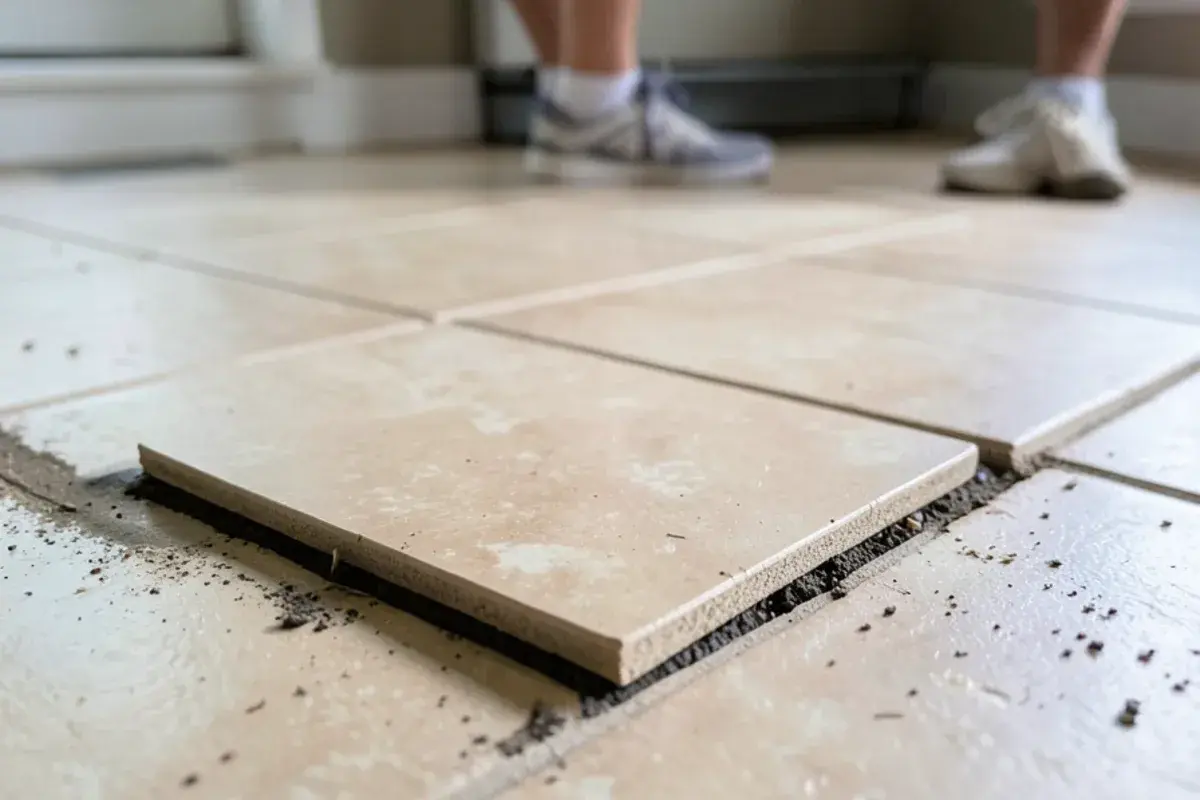
Can a drying job be sped up?
Yes, mostly by taking out what holds water or by shrinking the air we have to dry. Each move has a price, so we lay these out with you before heavy work starts.
| Choice | Why it saves time | What it costs you |
|---|---|---|
| Pull wet pad on day one | Removes the biggest sponge in the room | New pad, and sometimes new carpet |
| Flood cut a wet wall | Opens the cavity to moving air | Drywall and paint repair |
| Lift tile or vinyl over a wet slab | Lets the layer underneath release water | New flooring in that area |
| Contain the wet area | Gives the dehumidifier less air to work on | Plastic across doorways, and less use of those rooms |
Drying in place is the reverse trade. It keeps more of the house, takes longer and needs daily readings to prove it worked. On a clean-water job caught early that is often the better deal, since fewer equipment days can still mean a bigger put-back bill. With Category 3 water the choice usually goes away.
Two habits look like speed and are not. Extra fans with no dehumidifier only load the room with damp air. Hard heat on old wood or plaster risks the material, and EPA's list for wet wood names gentle heat for that kind of work.
What does "dry" actually mean?
Dry means measured, and different sources draw the line in different places. There is no single wood number everyone uses, which is another reason to be wary of fixed promises.
- Purdue says wood should read less than 15 percent before coverings go up.
- NC State Extension says not to seal walls until wood reads 19 percent or lower.
- NC State also says wood-decay fungi do not grow below 28 to 30 percent.
We work to the same goal S500, the industry's reference standard, describes. Our dry standard is the reading of unaffected materials in the same home. If a bedroom wall on the far side of your house reads a certain way, that is your target, because it reflects how your house normally sits in this climate.
Can you check it yourself?
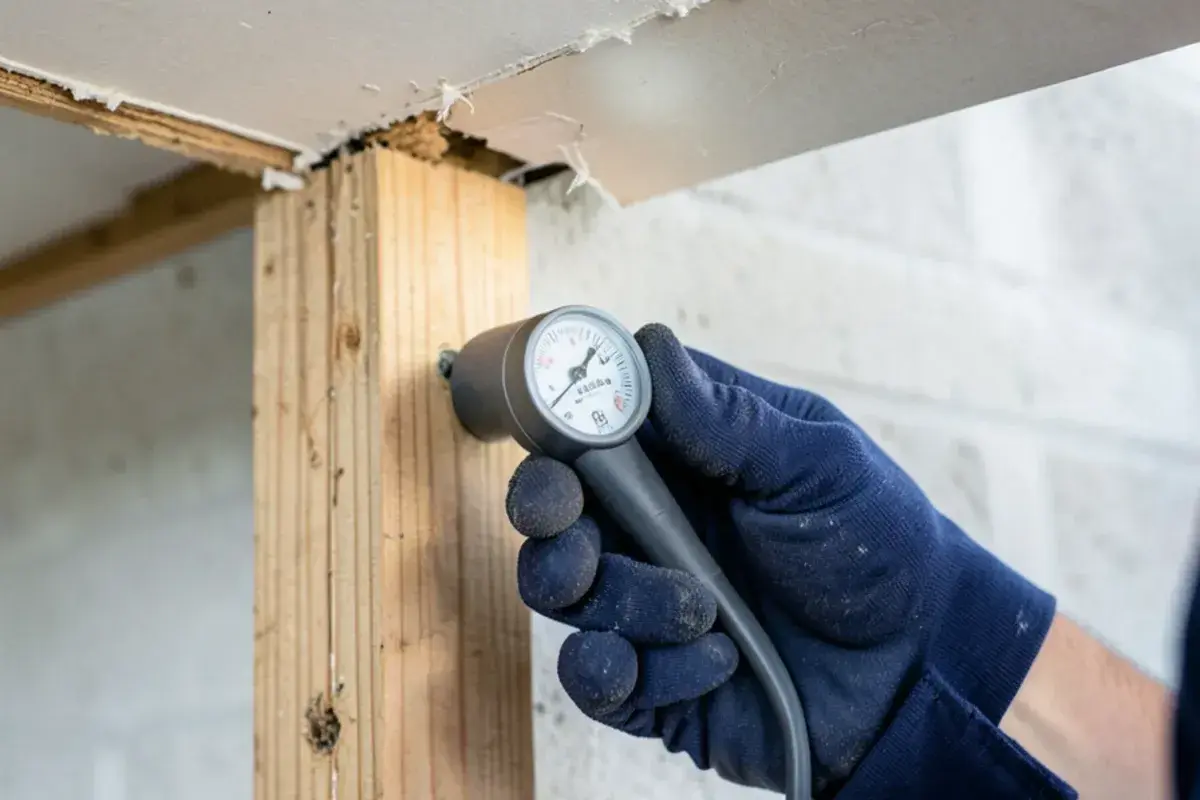
Partly. Purdue notes homeowners may be able to borrow or rent a moisture meter from a hardware store or lumberyard, and NC State says you need one to measure wood at all. Read a stud you know stayed dry, then the wet one, and compare the two. A borrowed meter will not tell you what sits behind tile or under a cabinet, so treat a good number as one spot, not the whole house.
What does a drying day look like?
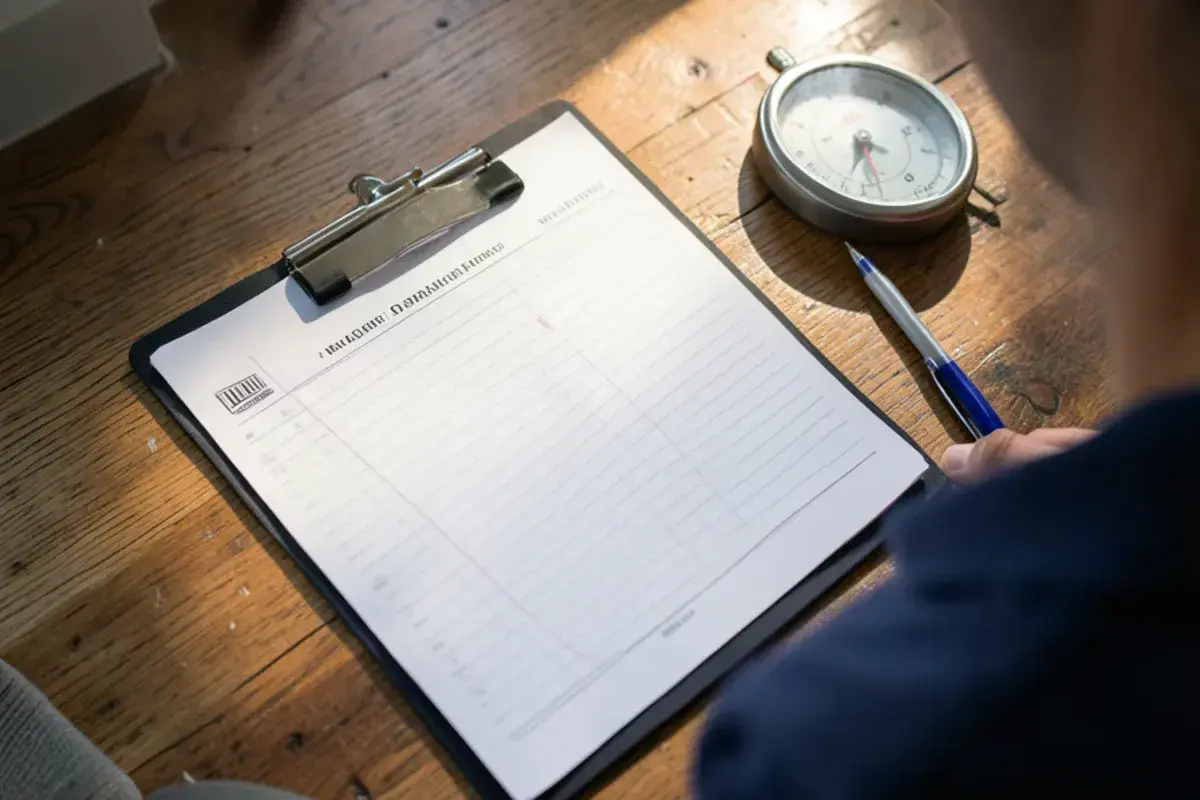
It is mostly measuring. Our structural drying visits repeat the same steps each day until the numbers finish the job.
- Read the same marked spots with a moisture meter, and log every one.
- Compare them with yesterday's readings and with the dry standard.
- Check dehumidifier output and the air in the room.
- Move air movers to where the wet spots have shrunk to.
- Remove equipment from any area that has reached standard.
- Update the moisture map and the projected equipment days.
Ask for those readings. They are yours, they are the reason an equipment day is on your estimate, and they tell you whether the job is moving. A company that cannot show you daily numbers cannot show you it is done.
Why does closing up too early cost more?
Because a wet wall behind fresh paint is the expensive version of this problem. Purdue warns that covering damp wood with insulation or wallboard traps the moisture, and that mold often shows up months after the flood. By then the finish is new, the crew has left and the job has to start again.
So we hold the line in a few places.
- No insulation or drywall goes in until framing has reached the dry standard.
- No flooring goes down over a slab or subfloor that is still releasing water.
- No paint on a repaired wall until the patch and the wall behind it are dry.
Once drying ends, the drywall and paint repair can be scoped and sequenced. That part of the timeline is separate, and it depends on materials and trades, so treat any total as an estimate and not a date.
What else sits on the calendar after drying?
Getting the house back runs on more clocks than ours. Drying has an end point we can measure. These items do not, and any of them can move the date you care about.
- Cleaning first, if the water was Category 3 or growth turned up in an opened wall
- Whether the repair needs a permit, and which trade pulls it
- Flooring, cabinet or trim that has to be ordered or matched
- When each trade can get to the house
- Your insurer's schedule, if you have a claim open
NC State's advice holds across all of them: finish the drying on every material before the restoring starts.
Ask for readings, not a promise
A day count on the phone tells you little. The start date, the daily numbers and the dry standard tell you where you stand.
If you want to know how long your house will take, the honest first step is a reading. Call us, day or night if it is an emergency, and we will meter the damage, explain what we see and give you a plan you can check against the numbers.
Frequently asked questions
Why are the fans still running when the floor feels dry?
Because the surface dries first and the water you care about is underneath it. Pad, subfloor, the back of drywall and the bottom plate of a wall all hold moisture long after a floor feels fine. We read those spots each day. When they match unaffected materials in the same home, the equipment leaves. Pulling it early can leave a damp cavity behind a dry paint film.
What if the moisture readings stop dropping?
A stall means something has changed or something is still feeding the area. We look for a slow leak still running, a wet layer hiding under tile or vinyl, or air that is too humid. Sometimes the fix is moving equipment. Sometimes a finish has to come off so the material behind it can release water. Daily logs make a stall visible early.
Can we stay in the house during drying?
Often yes on a clean water job, as long as you can live with the noise, the heat from the equipment and some closed-off rooms. Category 3 water changes that, and so does any containment or demolition near living areas. Contaminated water can carry health risks, so we would talk through it with you on site. We will tell you which rooms to stay out of.
Wondering if it is really dry? Call us for a free assessment
Open 24 hours for emergencies. Non-emergency calls are best between 7am and 7pm.
- 5.0 on Google, 8 reviews
- Family owned since 2020
- Calls go straight to the owner
- Free assessments and estimates
1 Call Restoration, Saint Augustine, FL. (208) 464-4194.
Related services: Structural Drying, Water Extraction, Drywall and Paint Repair. Serving Crescent Beach and the rest of our service area.