
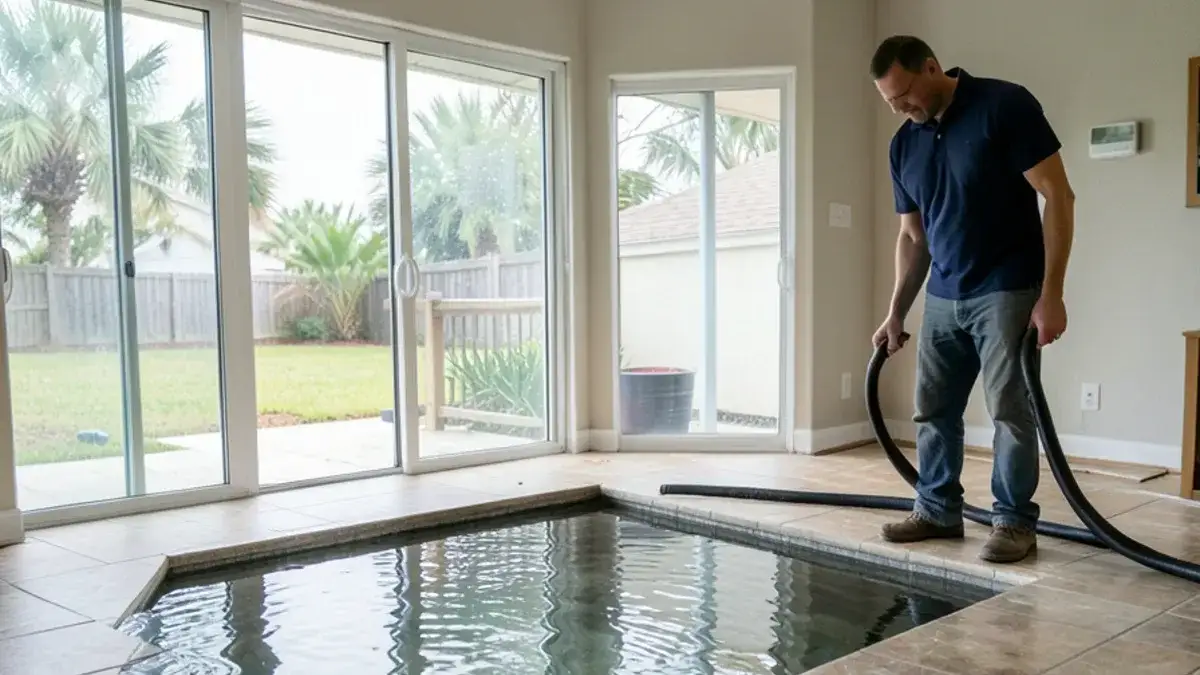
Is This a Job for a Shop Vac or for Extraction?
Use the water and the time as your test. A small clean spill on a hard floor, caught straight away, is a towel and shop vac job. Anything that reached carpet, a wall or a second room needs extraction, and so does any water you cannot identify.
- Water standing deep enough to see it move
- Carpet that releases water when you step on it
- Water that crossed a doorway into another room
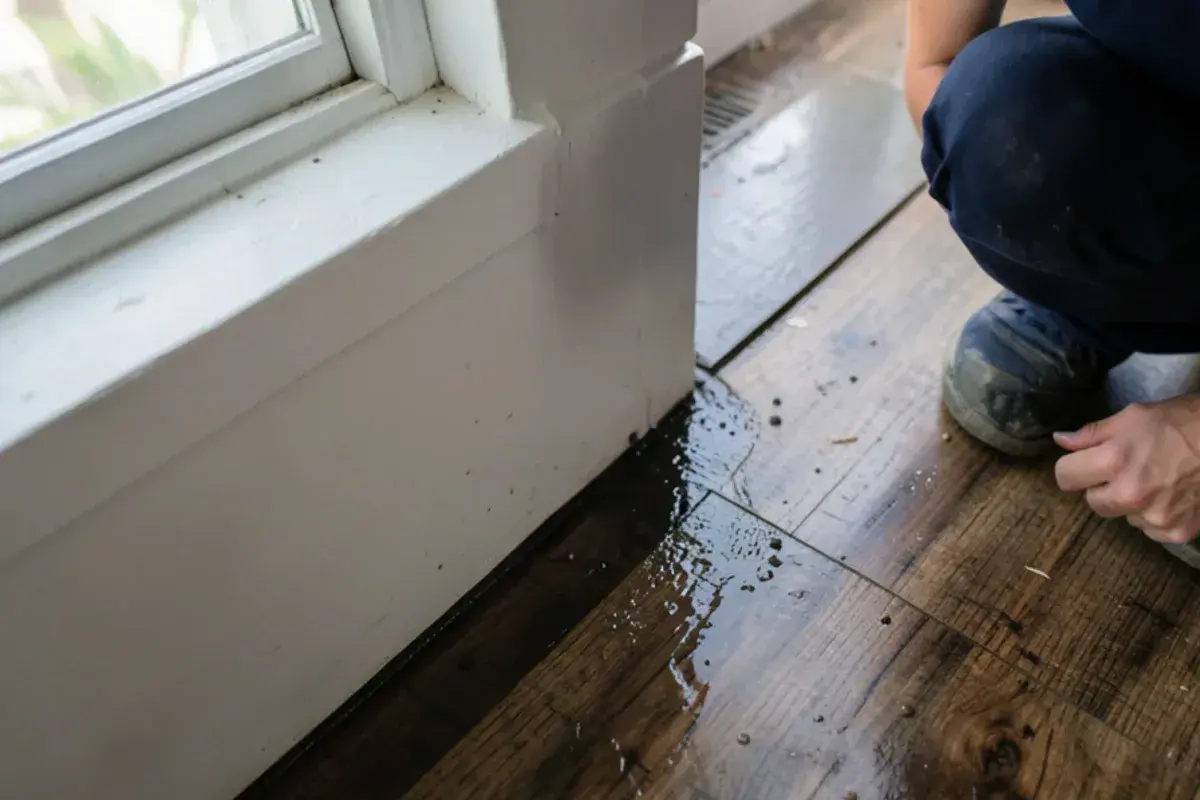
- Water at the base of a wall or under cabinets
- Any water that smells, looks dirty or came from a drain
Do not put yourself at risk to save a rug. Keep out of water near outlets, cords or appliances, and leave switches alone if you are standing in it. CDC guidance is blunt: reach the main switch from dry ground or leave it for an electrician.
How standing water gets into homes here
Rain is the usual outside source, at about 50 inches a year with August the peak at about 7.4 inches. Storms then push it past doors and sliders. Tide is the other one. In the October 2025 nor'easter, News4Jax reported King Street and Bridge Street closed and a projected high tide nearly three feet above normally dry ground.
Inside the house, a tub or sink left running is the simple case. Burst pipes and appliance leaks have their own pages.
What Water Extraction Covers, and What It Leaves
Extraction takes out the liquid and whatever is holding it. That means water standing on the floor, water held in carpet and pad, and water sitting along wall bases. We also chase what you cannot see, because the wet edge is usually past the visible one.
- Pumping out standing water
- Portable extractor passes on carpet and pad
- Hard-surface wand work on tile, vinyl and sealed concrete
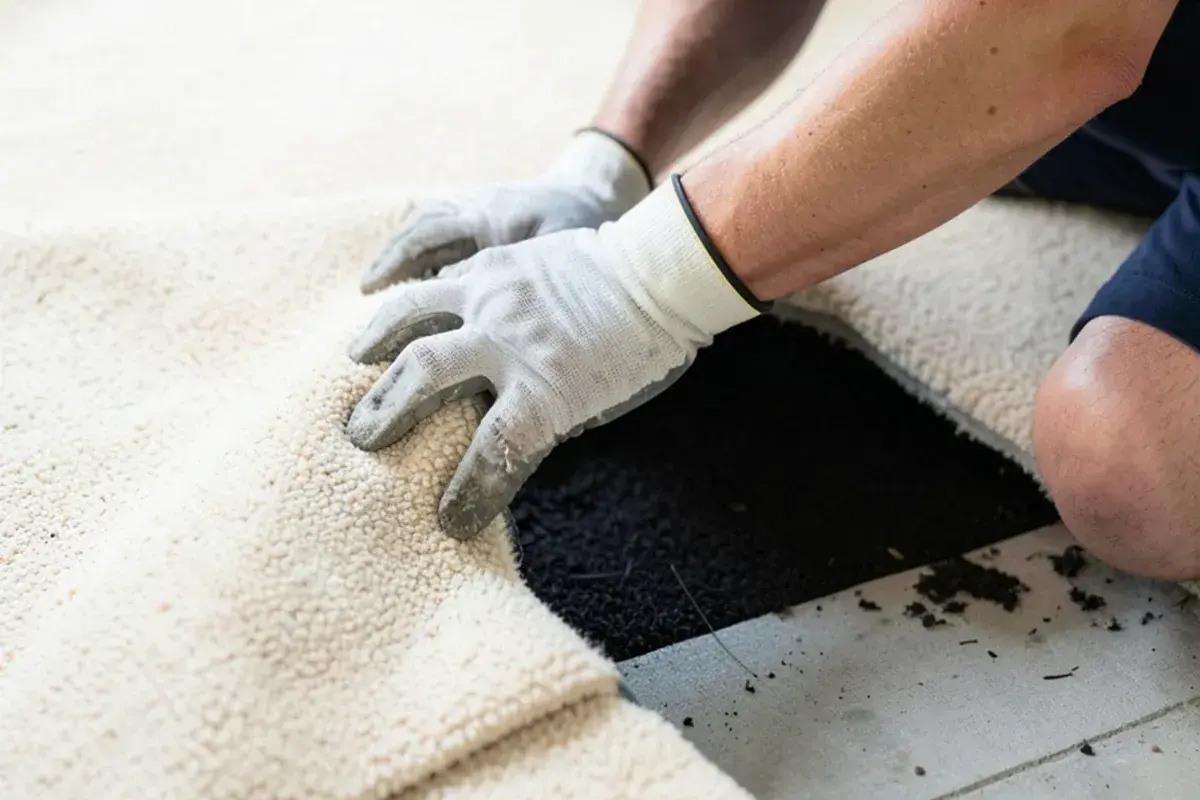
- Pad and other saturated material removed where readings call for it
- Moisture meter and thermal camera checks at wall bases
- Photos of each room before anything moves
It leaves two things for others. A plumber repairs the source, and the moisture left in walls and slab belongs to the drying stage.
What We Check Before the Hoses Go Down
Finding the source and the water type comes first, even on a wet floor with the clock running. Pulling water while more is arriving wastes your money, and running fans on dirty water spreads the problem.
Has the water stopped?
We confirm the source is off. If it is a storm, we look at where water is getting in, and interior protection comes before anything else.
What kind of water is it?
We classify it, since the category decides the protective gear, the equipment and what can be kept.
| Water | Typical source | What it means for extraction |
|---|---|---|
| Category 1, clean | Faucet left on, tub overflow from the tap | Most materials can be extracted and dried |
| Category 2, gray | Water that has picked up household residue | Added cleaning, more pad removed |
| Category 3, contaminated | Sewage or flood water | Porous materials usually leave, protective gear required |
Clean water does not stay clean forever. It picks up what it touches, so a clean leak left sitting can be handled as a dirtier category. We make that call on what we find.
The EPA's drying guidance only covers clean water, and it warns against running fans until the water is confirmed clean. OSHA protective gear and containment apply if contamination is possible, so treat sewage and flood water as a job for people with gear, not for a homeowner with a mop.
The rules behind the job
Pulling water and wet material rarely needs a permit. The City of St. Augustine's storm recovery guide lists it as no-permit work, and the department has the final say. Elsewhere, ask your county or city building office.
Mold is the line to watch. Florida licenses remediation of more than 10 square feet through DBPR, under F.S. 468.8411, and that is a separate job from extraction. Ask any company for its license number and check it on the DBPR site, ours included.
Water Removal Methods and Their Trade-Offs
The right tool depends on depth and on what the water is sitting on. Most jobs use more than one, working from deepest water to the last damp surface.
- Pumps handle depth. They move a lot of water quickly but leave a wet film behind.
- Portable extractors pull water out of carpet, and they are the main tool on a flooded bedroom.
- Hard-surface wands clear tile, vinyl and sealed concrete, then push water away from walls.
- Pad removal gives the fastest route to a dry slab, though new pad goes on the put-back list.
We work toward the exits, and we protect what is dry first. The aim is to leave as little liquid as possible, since every gallon extracted is a gallon the structural drying equipment does not have to pull from the air.
Standing water in the house? Call the owner directly.
Open 24 hours for emergencies. Non-emergency calls are best between 7am and 7pm.
- 5.0 on Google, 8 reviews
- Family owned since 2020
- Calls go straight to the owner
- Free assessments and estimates
Request a free estimate
Not an emergency? Send the details and we will call you back. If water is still moving, call instead.
How an Extraction Visit Runs, Start to Finish
Here is the order we follow, and you can stop us at any point to ask a question.
- We walk the rooms with you, confirm the water has stopped and photograph the damage while the water is still there.
- We classify the water and tell you what that means for your rooms.
- We move or lift furniture, set aside anything fragile and go over the written scope with you before heavy work starts.
- We extract from the deepest point outward, room by room, with a pump first and then a portable extractor and wand.
- We lift carpet where needed, check the pad and the slab, and meter the walls and baseboards to find where the water went next.
- We set up air movers and LGR dehumidifiers, or explain why they have to wait.
What Happens to Your Rooms After the Water Is Out?
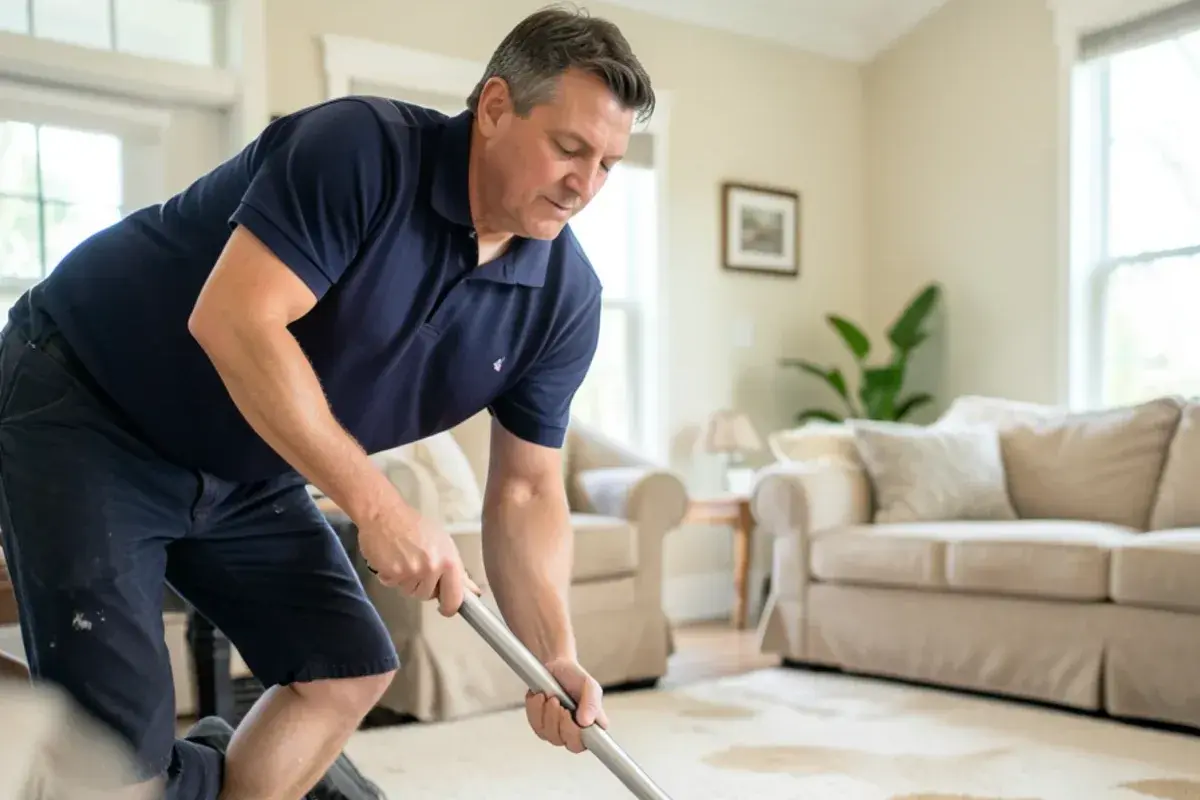
Your floor will look finished long before your home is. Extraction removes the liquid, but moisture is still in the baseboards, the drywall and the slab, and at this stage our outdoor air will not help you. On most jobs the next step is drying with monitored equipment.
Expect noise, some bare floor and a few materials pulled out. We leave you a clear picture of what stays, what has gone and what comes next, along with photos. If the home needs urgent work at night or over a weekend, see our 24 hour water removal page.
What Affects the Cost of Water Extraction?
Depth and materials drive this number more than floor area alone. Your assessment and estimate are free, and you see the estimate before heavy work starts.
- Water depth and volume: pumps come out on deeper losses
- Surface: carpet with pad takes longer than tile
- Category: Category 3 adds protective gear and removal
- Stairs and access: upper floors and narrow rooms take longer
- Contents: rooms full of furniture need moving first
The house itself changes the number around St. Augustine. A slab home lets us lift pad and reach the concrete directly. A raised floor may hold water we can only reach from below. Salt water from a surge adds a cleaning step before drying, because salt left in a wall keeps pulling moisture from the air. A condo adds shared walls and any association access rules.
Why Call 1 Call for Standing Water
Your call lands with the owner. That is the short version of why to ring us with water on the floor.
- Calls go straight to owner Dal Beggs, who runs the company with his son
- We explain the water category before we touch your carpet
- Photos come before extraction, so the record starts with the loss as it was
- You get an estimate with no high-pressure sales attached
We cover the barrier island at Vilano Beach, the beachside streets of Butler Beach, the farm roads out to Hastings and the rest of St. Johns County, plus five neighboring counties.
What customers say
5.0 stars on Google from 8 reviews. Quoted as written.
“Highly recommend Dal and his team at 1 Call Restoration - great locally owned company. We had a pipe burst that flooded parts of our home - it was such a stressful situation for our family. Dal and his team were amazing through the whole process. They helped us get everything cleaned up and even helped us as we worked with our insurance. Super thankful for their expertise, quality work, responsiveness, and professionalism.”
“Very impressive service. Dal and his team responded to our call immediately and were out the same day to begin the remediation process. Would highly recommend 1Call Restoration.”
Frequently asked questions
Do you have to pull up the carpet pad?
Yes, usually. Carpet can often be extracted and kept on a clean water loss, but pad holds water like a sponge and rarely dries well in place. We lift the carpet, check the pad and the slab beneath it, and pull the pad when readings stay high. On Category 3 water, both carpet and pad leave.
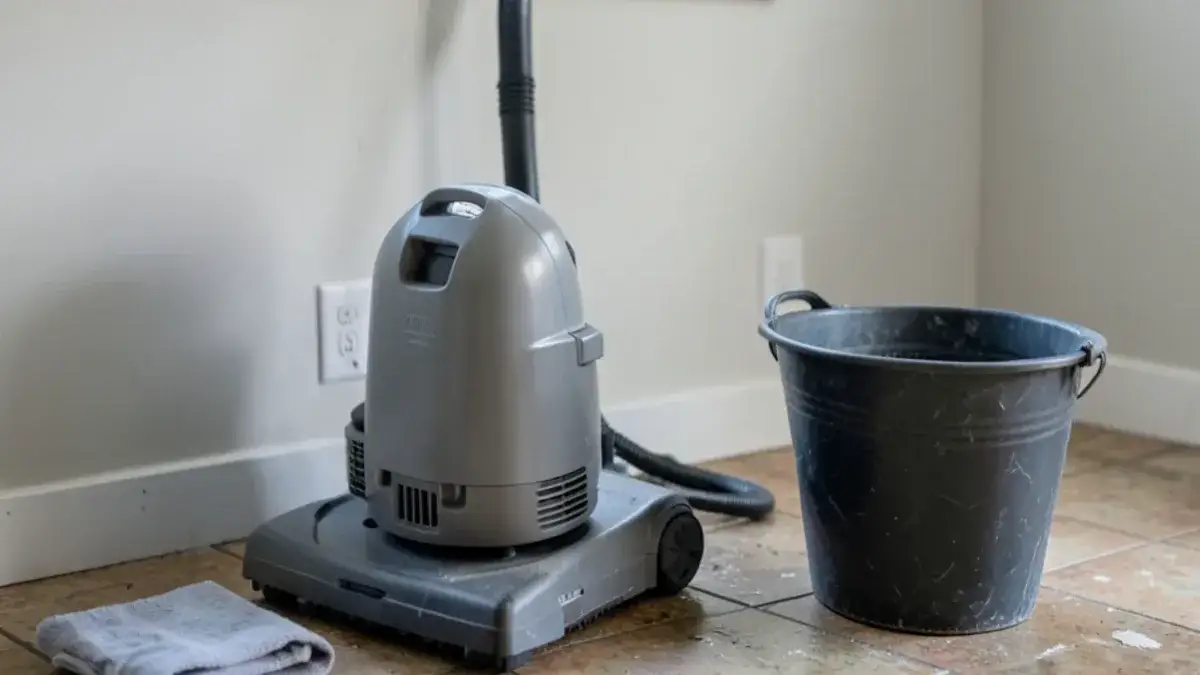
Is a shop vac enough for standing water?
No, not for a soaked carpet, because a shop vac takes surface water and leaves the pad and the room still wet. For a cup-sized spill on tile, it can be. It also spreads the risk if the water is not clean. If you have already vacuumed, call anyway and we will meter what is left behind.
Can you extract water if the power is out?
It depends on the site, so tell us on the call, because a power cut changes what we bring and how we start. Leave the breakers alone if you would have to stand in water to reach them. The CDC says an electrician should shut off power when the switch can only be reached through standing water, and that comes before any equipment runs.
What happens to my furniture during extraction?
Furniture gets moved to a dry area or lifted off the wet floor before we start. Keep colored rugs and wood legs out of the water, since stains and swelling start quickly. Anything that got soaked is photographed where it sat. If you need to, move small valuables and paperwork to a dry room while you wait.
Do tile floors still need water extraction?
Yes, because tile sheds water to the edges and the grout lines, and from there it reaches baseboards and drywall. The tile surface can look fine in an hour. We extract, then meter the baseboards and wall bottoms, since a block wall in a coastal home can keep wicking from a damp slab long after the floor feels dry.
How soon does drying start after extraction?
Drying equipment goes in as soon as the bulk water is out and the water source is confirmed. That matters because the EPA advises against fans until the water is known to be clean. If the category is in doubt, we hold the air movers and deal with the contamination first, so nothing gets blown around the house.
Get the standing water out before it reaches the walls.
Open 24 hours for emergencies. Non-emergency calls are best between 7am and 7pm.
- 5.0 on Google, 8 reviews
- Family owned since 2020
- Calls go straight to the owner
- Free assessments and estimates
1 Call Restoration, Saint Augustine, FL. (208) 464-4194.
Related services
Worth reading
Where we handle water extraction
See all of our service areas.