
Emergency guides
Sewage Backup at Home: What Not to Touch
By Dal Beggs, founder and owner of 1 Call Restoration. Published November 1, 2026. Updated November 1, 2026.
Sewage backup cleanup safety starts with what you leave alone: the water, anything soft it touched, and every drain in the house. EPA says to avoid contact with sewage because it can carry harmful pathogens, and it is Category 3 water. Get people and pets out, stop using the drains, and call before you lift a rug.
What should you not touch after a sewage backup?
Leave everything the sewage reached, and leave the drains alone too. The instinct is to grab towels and save the rug, and that is how it ends up on your hands, your shoes and the rest of the floor. Use this table as your rule sheet.
| Do not touch | Why | What to do instead |
|---|---|---|
| The water or solids | EPA warns of harmful pathogens | Keep out of the room |
| Carpet, rugs and pads | Porous material soaks it up | Leave in place for removal |
| Towels you already put down | They now count as contaminated | Leave or bag with gloves on |
| Toilets, sinks, showers, appliances | New water pushes more back up | Stop all water use |
| Wet outlets and appliances | Shock risk | Cut power at the breaker from dry ground |
| Toys and bedding it reached | CDC says to discard what cannot be cleaned | Set aside untouched |
| Your HVAC return, if it got wet | Moving air spreads contamination | Shut the system off |
Sewage on the floor? Leave it alone and call us first
Open 24 hours for emergencies. Non-emergency calls are best between 7am and 7pm.
- 5.0 on Google, 8 reviews
- Family owned since 2020
- Calls go straight to the owner
- Free assessments and estimates
Keep children and pets away from the affected area until cleanup is finished, as CDC advises. Shut the door to the room if you can do it without walking through the water.
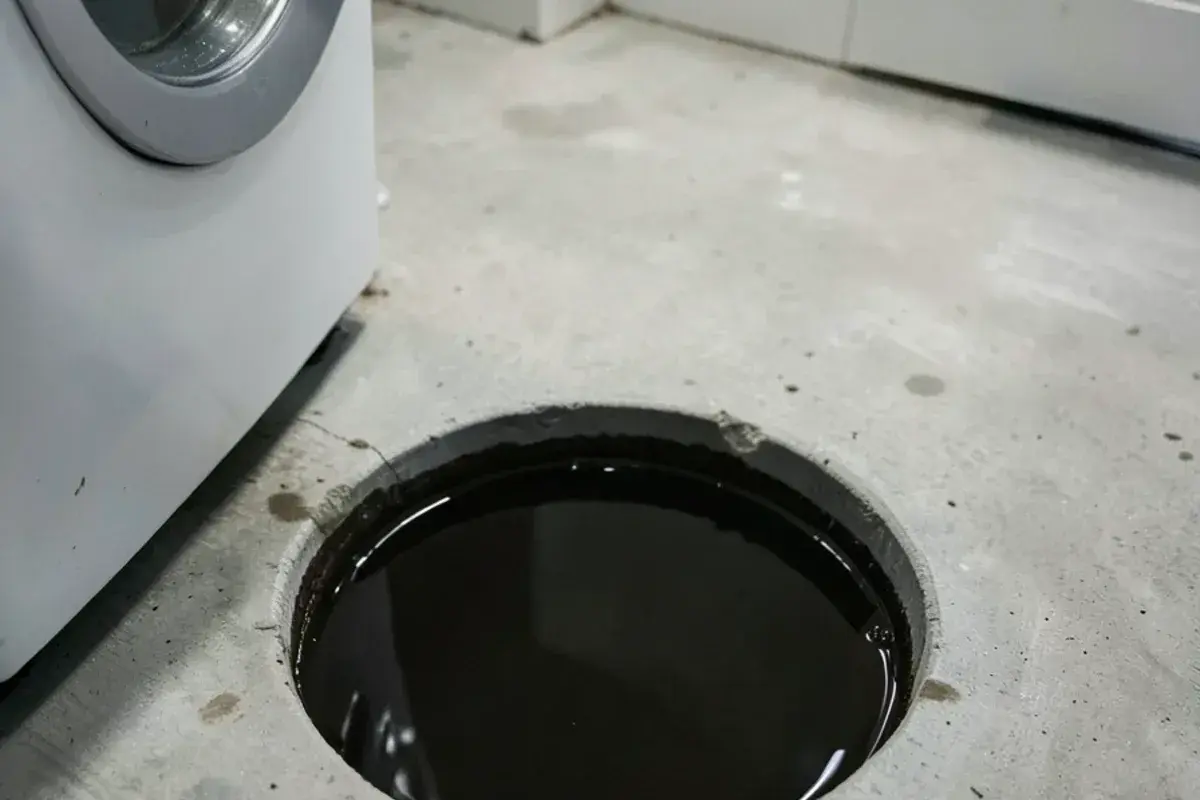
Is the backup coming from your line or the street?
Answer this first, because it decides who you call next. Run through these checks without using any water:
- Only one fixture backing up usually points to a local clog.
- Several low fixtures at once points to the main house line.
- Neighbors with the same problem points to the street sewer.
- A home on septic points to the tank or drain field.
If you are on public sewer, call your utility and report it. They can tell you whether the problem sits on their side of the line. On septic, EPA tells homeowners to contact the local health department for guidance. Either way, get the blockage dealt with by a plumber or the utility before cleanup starts, because drying a room that can flood again wastes everyone's time. Heavy storms can overload sewer lines anywhere, and that includes Butler Beach, so check for a street-level problem before you blame your own line.
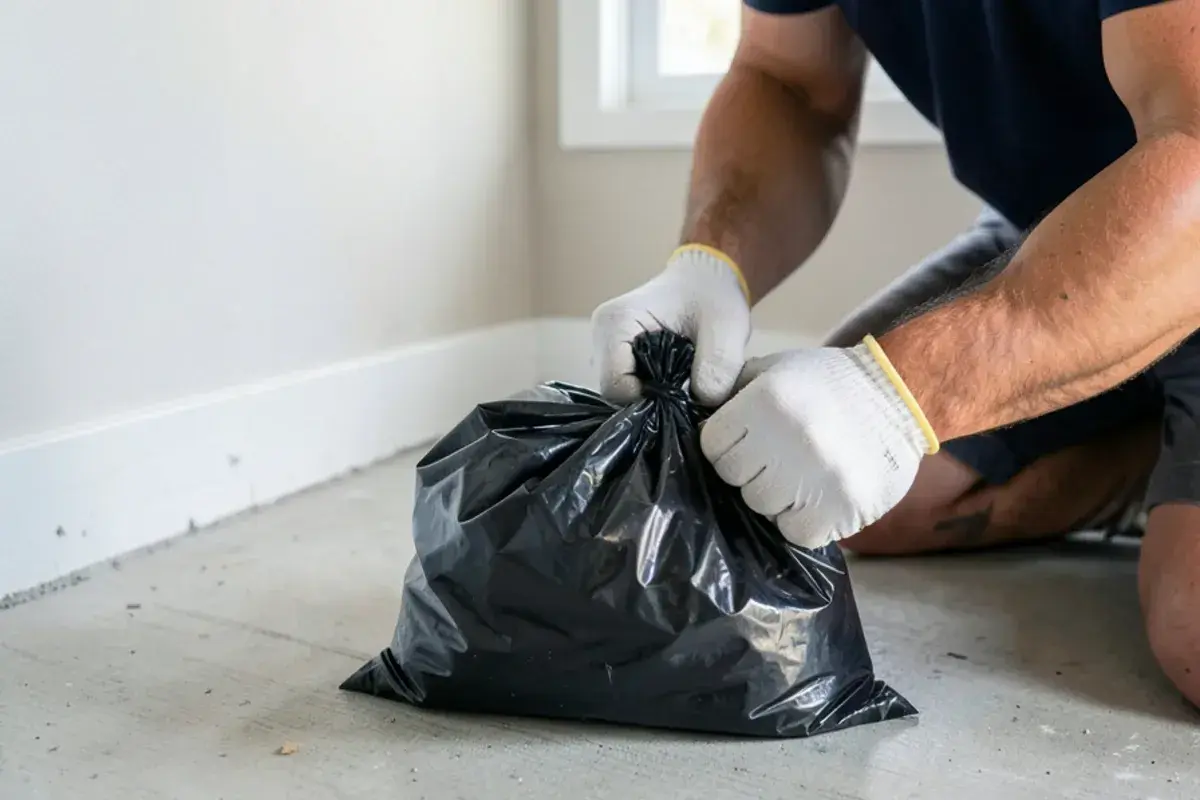
Sewage backup cleanup safety while you wait for help
The wait is when most of the spreading happens, because people want to do something. Each move below feels helpful, and each one makes the job larger.
- Washing the towels. The water runs straight back at the blocked line, and the machine now holds what the towels held.
- Carrying a wet rug out. It drips a trail across rooms that were clean, and those rooms then need cleaning too.
- Walking out in the same shoes. Soles carry it down the hall, so leave them at the door of the room.
- Pouring drain cleaner. It sits in the standing water that a plumber then has to reach into.
- Opening the outdoor cleanout. A backed-up line can let go when the cap comes off, so that cap belongs to the plumber.
- Setting a fan on the floor. Moving air carries contamination, which is why we hold air movers until a room is clean.
Plan for a house with no drains
If several fixtures are backing up, treat every drain as closed, including the ones that look fine. That means no toilet, no shower and no dishes until a plumber or the utility says the line is flowing. Most families do better spending those hours somewhere else than rationing a bathroom they should not use.
What to write down
- The time you first saw water and the fixture it came from
- Whether the neighbors have the same problem
- The name, time and report number from your utility call
- Photos taken from the doorway, without stepping in
- The plumber's finding on where the blockage sat, in writing
Whether any of this is covered is your insurer's question, and your policy wording decides it. Our post on homeowners insurance and water damage explains who answers what.
If you already touched it
Wash up now. CDC messaging after floods and sewage is plain: soap and clean water for your hands, and clothes washed in hot water with detergent, separate from everything else. EPA adds that any wound exposed to sewage should be washed and disinfected right away.
No clean water nearby? CDC says alcohol-based wipes or sanitizer will do until you reach some. It also says to stay out of the water with an open wound, to cover a clean one with a waterproof bandage, and to get care right away if redness, swelling or oozing develops. A health professional decides whether a wound contaminated with feces calls for a tetanus booster, according to CDC.
Leave shoes outside the room, or bag them. Clean anything you touched on the way out, such as doorknobs and light switches. If you feel unwell or have questions about your exposure, call your doctor. We cannot give medical advice, and this post does not.
What stays and what goes
Hard surfaces can usually be cleaned. Porous materials that took on sewage usually cannot, and that is the rule that surprises homeowners most. EPA's advice is direct: when sewage or other contaminated water caused the damage, hire a professional with experience repairing buildings damaged by that kind of water.
Here is how the decision usually falls:
- Carpet and pad that sewage reached: removed and bagged.
- Drywall and insulation: removed above the wet line, as CDC advises for contaminated material.
- Upholstered furniture and mattresses: usually discarded.
- Tile, sealed concrete and metal: cleaned and disinfected.
- Solid wood furniture: judged piece by piece.
When the backup is in a shared building
In a condo or townhome on a shared line, stopping your own water is not enough. The lowest unit takes what everyone above sends down, so tell the association or property manager at once, in writing, and ask them to warn the other units.
That matters in Butler Beach, where census survey data for 2013 to 2017 counted about 2,020 multi-family units beside about 1,970 single-family homes. The 2020 census counted 44.2 percent of units there as vacant, a count that includes seasonal homes, so a backup can sit in an empty unit with nobody there to see it. Who pays for a shared line is a separate question, and our post on condo leaks and the unit below sets out who decides.
How we run a Category 3 job
We treat every sewage backup as Category 3 from the first step. That means we set containment before demolition, so work in one room does not travel to the next, and we run HEPA air scrubbers while material comes out.
The order stays the same each time:
- Photos before anything is moved.
- Extraction of liquid and solids.
- Removal of porous materials, bagged and sealed.
- Cleaning, then antimicrobial where it is needed.
- Structural drying with daily moisture readings, until the wet areas match unaffected materials.
Expect two trade-offs. Drying starts later than on a clean leak, because the room gets cleaned before any air moves through it. Removal also runs wider than the stain, since we cannot disinfect the back of a baseboard or the inside of a wall we have not opened.
Our sewage cleanup page goes through each stage, and if the backup arrived with storm water, the flood and storm damage page covers that work.
Keep the door closed and call
You do not need to prove how bad it is. Call, tell us where the water came from, and keep everyone out of that room. Your call reaches the owner directly, any time of day if it is an emergency.
We will come out, assess it and price it for free, with a written scope before heavy work starts. Leave the towels where they are and leave the drains alone until we have talked.
Frequently asked questions
Can I just pour bleach on a sewage spill and mop it up?
No, because bleach on standing sewage does not make the area safe, and mopping spreads what is there. EPA's septic guidance puts disinfecting after the cleanup, using a mix of 10 percent household bleach and 90 percent water on washed surfaces. Bleach also cannot reach into carpet pad or drywall that absorbed sewage. Never mix bleach with ammonia or other cleaners. Solids and soaked materials come out first.
Why does the house still smell after the sewage is gone?
A lingering smell usually means contaminated material is still in the house. Common places are carpet pad, the bottom of drywall, insulation, tack strip and the gap under a vanity or cabinet base. Air fresheners and open windows only mask it. We find the wet areas with moisture meters and remove what took on sewage, then disinfect and dry. When readings match unaffected materials, the source of the smell has usually gone with it.
Is it safe to flush the toilet during a sewage backup?
No, not until the blockage is cleared or the utility says the line is flowing. Water you send down the drain has nowhere to go, so it comes back up at the lowest fixture. That goes for showers, sinks, the dishwasher and the washing machine as well. On a septic system, EPA advises against flushing into the system until the soil absorption field has drained after flooding.
Sewage in the house? Keep the door shut and call
Open 24 hours for emergencies. Non-emergency calls are best between 7am and 7pm.
- 5.0 on Google, 8 reviews
- Family owned since 2020
- Calls go straight to the owner
- Free assessments and estimates
1 Call Restoration, Saint Augustine, FL. (208) 464-4194.
Related services: Sewage Cleanup, Flood and Storm Damage, Structural Drying. Serving Butler Beach and the rest of our service area.