
Comparison and decision guides
Should You Get a Second Opinion on Water Damage?
By Dal Beggs, founder and owner of 1 Call Restoration. Published November 1, 2026. Updated November 1, 2026.
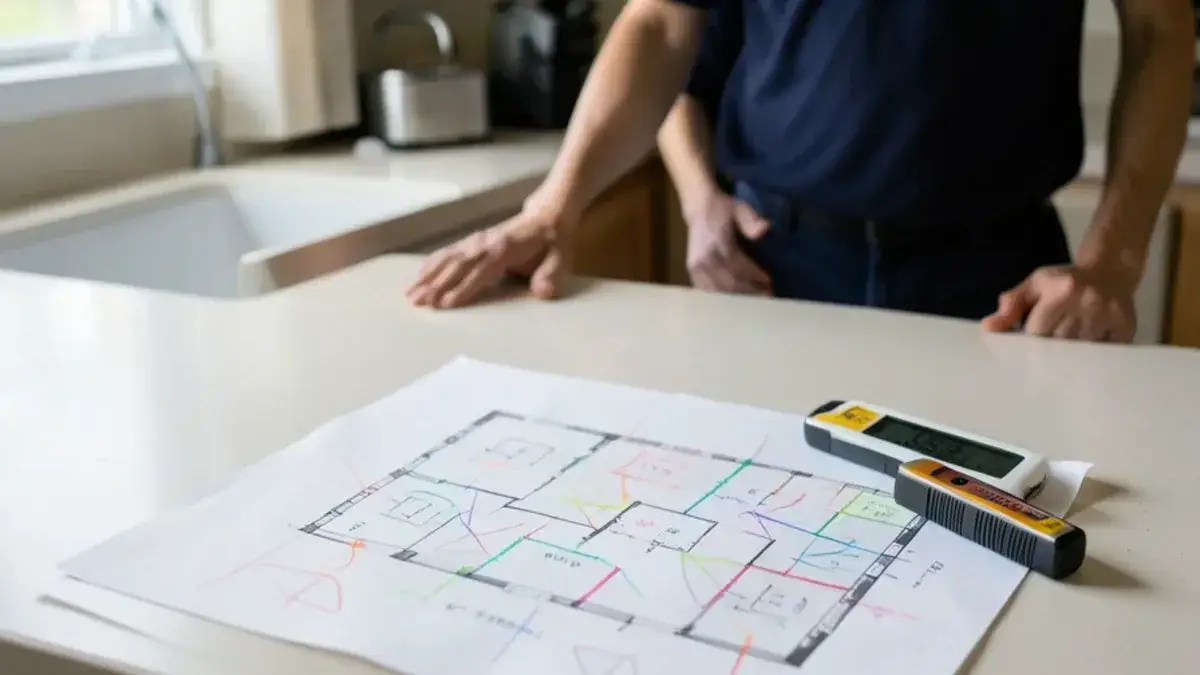
A water damage second opinion is worth getting when the plan has no readings behind it, the scope changed without explanation, or the tear-out looks too large or too small. It should check measurements, not personalities. Keep any drying already underway running while you get it.
When is a second opinion on water damage worth getting?
Get one when something in the plan cannot be explained with a reading, a photo or a line item. A second look is a common reason people call a restoration company, and it usually starts with a feeling that something does not add up.
Trust that feeling enough to ask, then test it with numbers. The table sorts the usual triggers.
| What you are seeing | What it may mean | What to ask |
|---|---|---|
| No readings shared | Drying may not be tracked | Can I see the daily moisture log? |
| Large tear-out, little explanation | Materials may be coming out that could dry | Which readings put this wall on the list? |
| No tear-out, musty smell | Moisture may be hidden | Was the wall cavity checked with thermal imaging? |
| Equipment pulled early | Dry standard may not be met | What did the unaffected materials read? |
| Estimate keeps growing | Scope may be drifting | What changed since the first written scope? |
A trigger is a reason to check, and it does not prove anyone did anything wrong.
Unsure about the plan in front of you? Get a second look.
Open 24 hours for emergencies. Non-emergency calls are best between 7am and 7pm.
- 5.0 on Google, 8 reviews
- Family owned since 2020
- Calls go straight to the owner
- Free assessments and estimates
What can a second opinion actually check?
A second opinion can check the physical facts of the house. Fresh readings show where moisture sits today, whatever anyone assumed last week. That is the most useful thing a second visit can give you.
A careful second look covers these items:
- Moisture readings on the same spots the first company logged
- A dry standard taken from unaffected materials in your home
- Thermal imaging for wet areas behind finished surfaces
- The water category, because Category 3 water changes what must come out
- Whether the equipment count fits the size of the wet area
- A separate free damage assessment with its own written estimate
Mold questions need a different route. Florida bars a mold assessor from remediating a structure assessed in the last 12 months, and bars the reverse, with a narrow exception for certain contractors, under F.S. 468.8419. Sampling and formal assessment should come from an independent licensed mold assessor, and a company bidding the cleanup should not be the one grading it. Our notes on mold inspection explain where that line sits.
How do you compare two sets of readings?
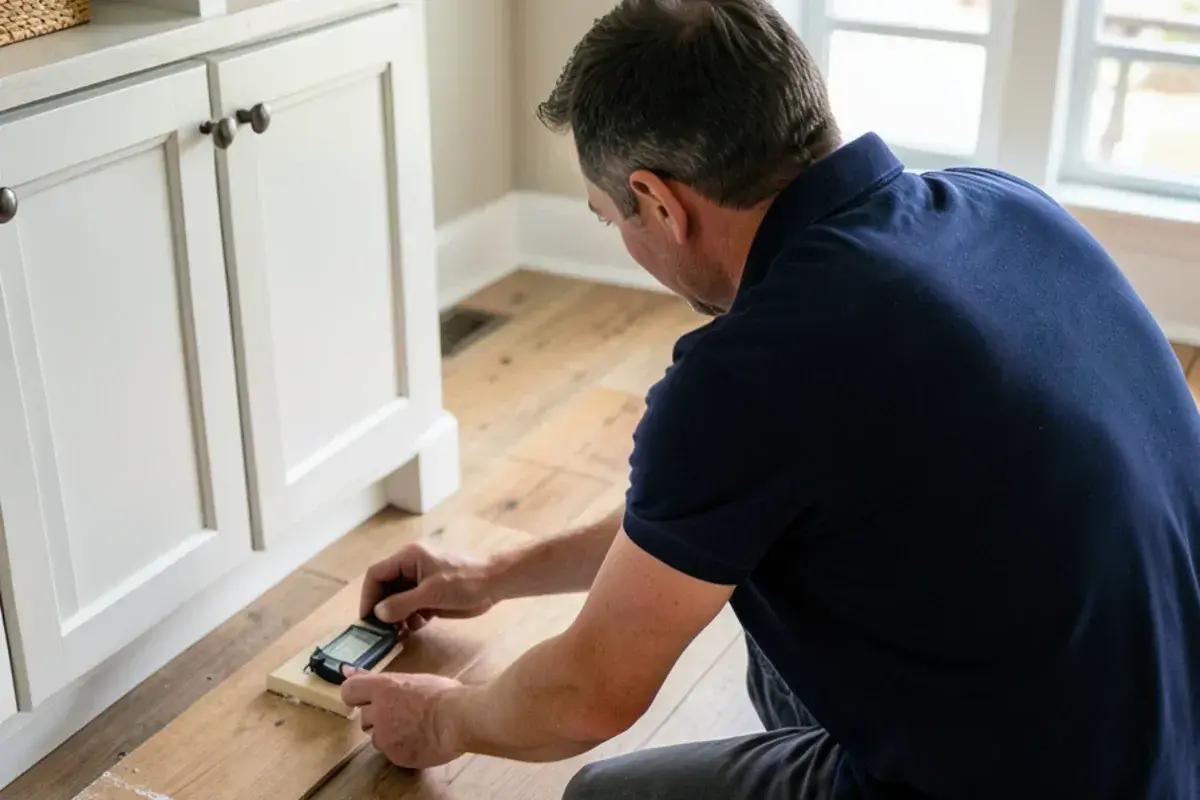
Compare each number with its own dry reference, never with the other company's number. Meters differ, and a pin meter and a pinless meter can show different figures on the same wall. Two numbers mean little until you know what dry reads on each meter.
- Read the same marked spots, at the same height.
- Take a dry reference with the same meter, in the same home.
- Note whether equipment was running and when the last reading was taken.
- Line the new reading up with the old log and look at the direction.
Direction tells you more than any one figure. Readings that fall day after day mean the plan is working, even when it feels slow. Flat readings with equipment running mean something has to change, whether that is a hidden wet layer, a source still feeding the wall or a setup that does not suit the room.
When the two opinions disagree
Sort the disagreement before you pick a side. It is usually one of three kinds, and each has a different next step.
| Where the plans differ | What it usually is | What to do |
|---|---|---|
| Size of the wet area | A measurement question | Have the same spots read again |
| Dry it or tear it out | A judgment call | Ask each company what happens if its call proves wrong |
| Same scope, different total | A pricing question | Compare equipment days and line items |
A wall that reads wet but looks sound can fairly go either way. Drying keeps the wall and may add equipment days, while a flood cut adds a repair and ends the question. Two honest companies can land on opposite sides. Favor the plan that ties each line to a reading and says what would change its mind, and remember that the lowest total may simply be the shortest plan.
What should you have ready for the second company?
Bring what the first company gave you. The second visit goes faster and means more when it can compare against earlier numbers instead of starting blind.
Gather these records in one place:
- The date of loss and what caused the water
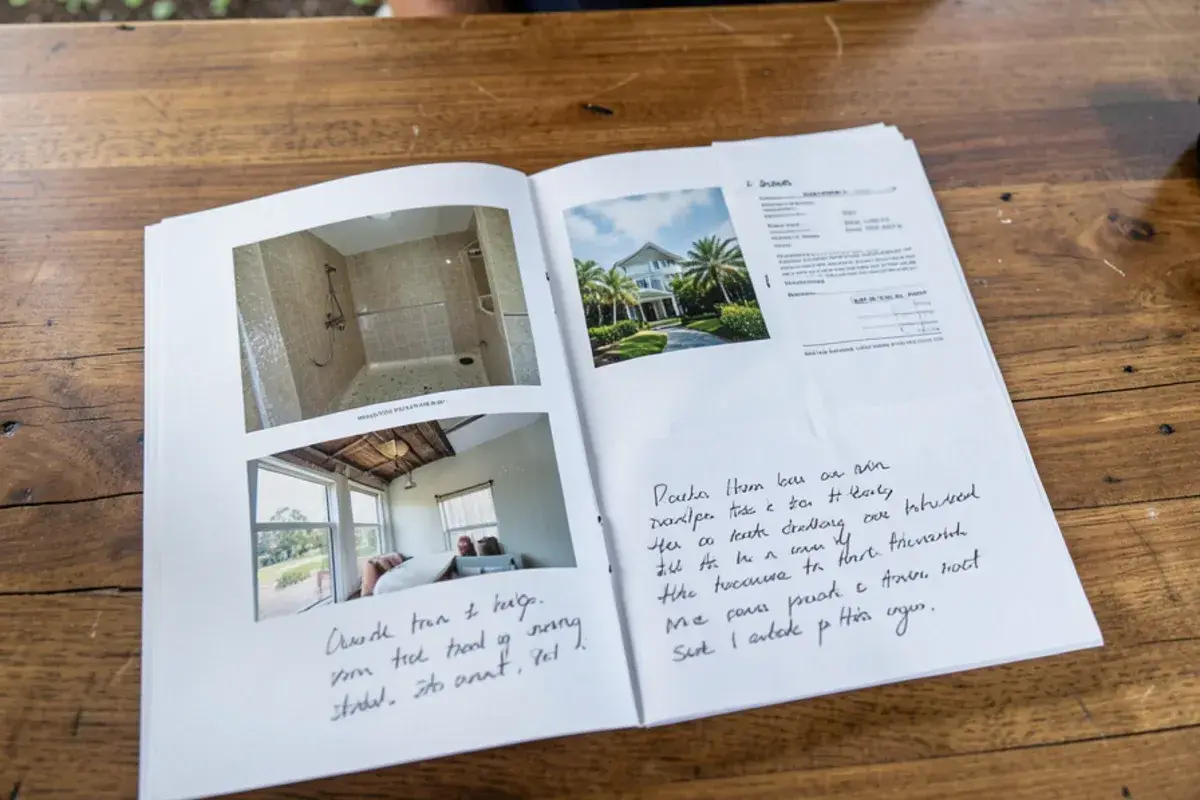
- Photos and video from before any demolition
- Moisture logs and any moisture map
- The written scope and the itemized estimate
- A list of what equipment was placed, and on which days
Missing records are useful information too. If you asked for logs and none exist, write down when you asked.
Should work stop while you wait?
No. Keep drying equipment running and keep the job moving unless there is a safety problem. Wet materials do not pause for a decision, and the EPA says water-damaged areas should be dried within 24 to 48 hours to prevent mold growth.
The exception is new demolition you do not understand. It is reasonable to ask a company to explain a large cut before making it, since drywall cannot be put back once it leaves. Ask for that explanation right away, so the question does not turn into lost drying time.
Book it before anything closes
Time the second look before new drywall or flooring goes in. An open wall can be read directly, and the first-day photos still line up with what you are standing in front of.
A finished job can still be checked if a room smells wrong or a stain comes back. Readings will show whether the area is wet now. They cannot show how wet it was last month, so the old logs and photos matter more at that point.
How we handle a second look
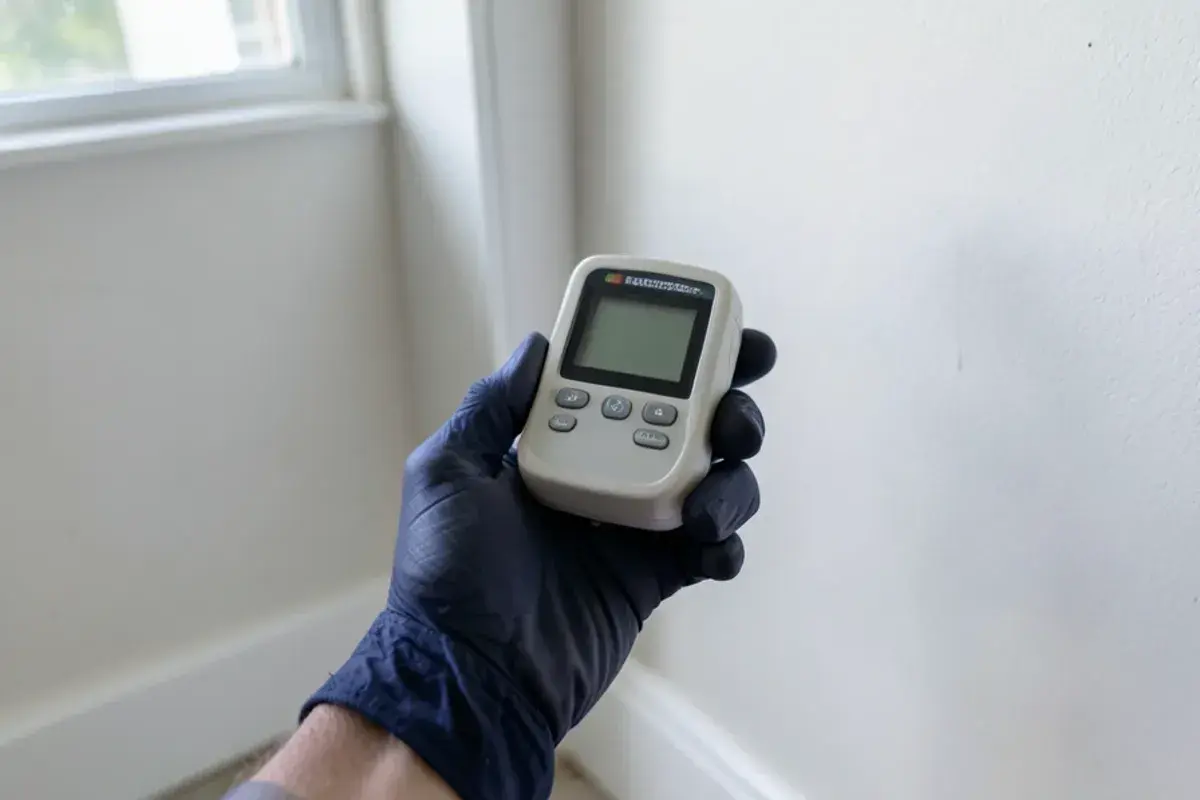
Our rule on a second look is simple: we report what the meter shows, including when the first plan looks sound. We take the readings, walk you through them and leave the decision with you.
We hold to a few habits on these visits:
- We take our own dry standard rather than borrowing a number from an old report.
- We compare our readings with earlier logs when you have them.
- We talk about the house and leave the other company's character out of it.
- We put our scope and estimate in writing so you can compare line by line.
- We show up, assess the damage and give an estimate, with no high-pressure sales.
The stakes climb with the finishes. In a Ponte Vedra Beach home with custom millwork or wide-plank floors, the difference between drying in place and tearing out can be large. That decision deserves an actual reading behind it.
We would like the work too
Keep that in mind when we visit. Any company writing an estimate has a stake in the result, ours included, which is why we ask you to judge us on numbers you can check. If you want a view on mold from someone with no part in the cleanup, that is what an independent licensed mold assessor is for.
What a second opinion cannot settle
A second opinion cannot settle what your insurance will pay. Florida bars contractors without a public adjuster license from interpreting policy provisions, advising on coverage or adjusting a claim under F.S. 489.147. We can explain our own estimate and supply photos, moisture logs and equipment records. Coverage questions go to your insurer, a licensed public adjuster or an attorney.
It also cannot settle a dispute with the first company. It gives you facts for that conversation, and nothing more.
Do you need a second opinion or just a second bid?
You need a second opinion when the plan has no reading, photo or line item behind it. If the company shows you falling numbers and explains each change, and you only want to test the price, a second bid is the simpler request. Either way, the equipment keeps running while you ask.
If the plan in front of you does not make sense, call us. Emergencies get answered any time, and calls about a job already underway work well between 7am and 7pm. You will hear from the owner directly, and you will get readings you can hold next to the ones you already have.
Frequently asked questions
Does asking for a second opinion mean I have to switch companies?
No, a second opinion commits you to nothing. You can keep your first company and use the second reading only to ask better questions. If you do decide to change, read the agreement you signed first, because it may have terms about ending the work. A contract question like that belongs with an attorney, not with either restoration company.
Do I pay for a second look at water damage?
We provide free assessments and estimates on water damage and mold projects, and a second look is handled the same way. We show up, take readings, assess the damage and give an estimate. Other companies set their own terms, so ask before anyone comes out. Lab sampling or formal mold assessment comes from an independent licensed assessor, who charges separately.
Should the air movers stay on during a second opinion?
Yes, leave running equipment alone unless a company or electrician tells you there is a safety problem. Turning off air movers and dehumidifiers gives moisture time to settle back into materials, and that loses ground. A second reading works fine with equipment running. Tell the visitor where the unit sits, what it has been doing and when the last readings were taken.
Want a second set of readings on your job? Call us.
Open 24 hours for emergencies. Non-emergency calls are best between 7am and 7pm.
- 5.0 on Google, 8 reviews
- Family owned since 2020
- Calls go straight to the owner
- Free assessments and estimates
1 Call Restoration, Saint Augustine, FL. (208) 464-4194.
Related services: Free Damage Assessment, Structural Drying, Mold Inspection and Assessment. Serving Ponte Vedra Beach and the rest of our service area.