
How Soon Can Mold Start After a Leak?
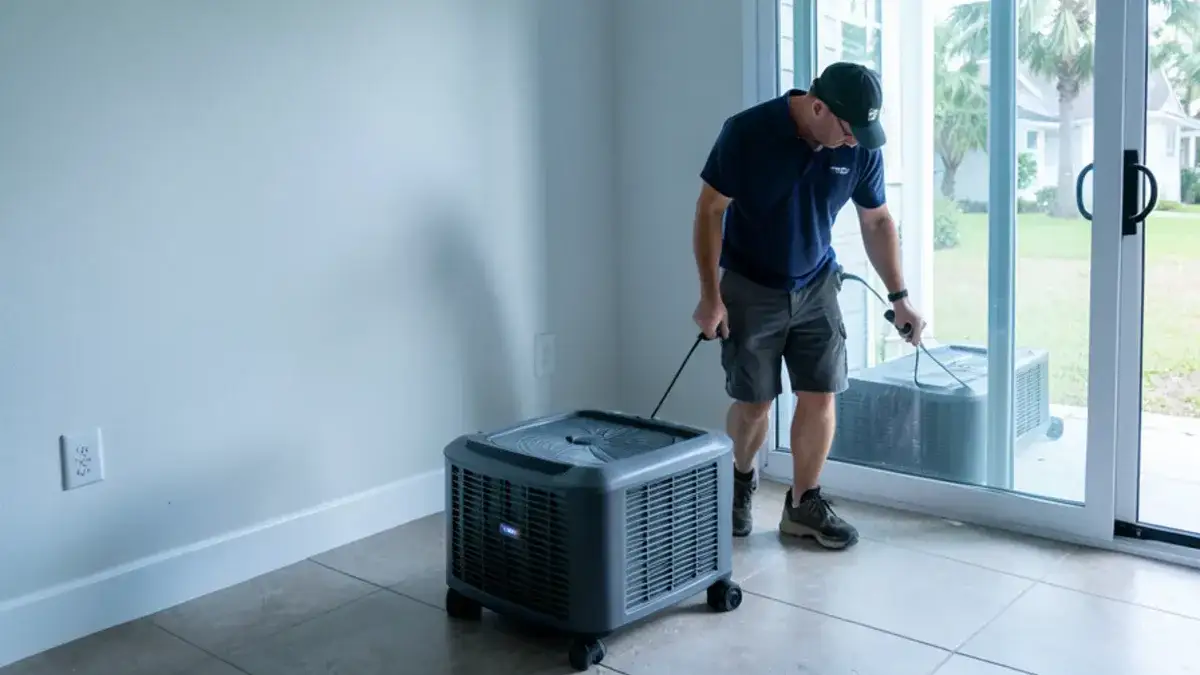
FEMA says colonies can start on a damp surface within 24 to 48 hours. EPA's advice lines up with that: dry water-damaged areas and items within 24 to 48 hours and mold usually will not grow.
Visible mold comes later, so a clean-looking wall on day two proves nothing. If you see growth on day five, the timer ran out days ago. The practical rule is simple: treat anything wet as a mold risk until a meter says it is dry.
Signs the Window Has Already Closed
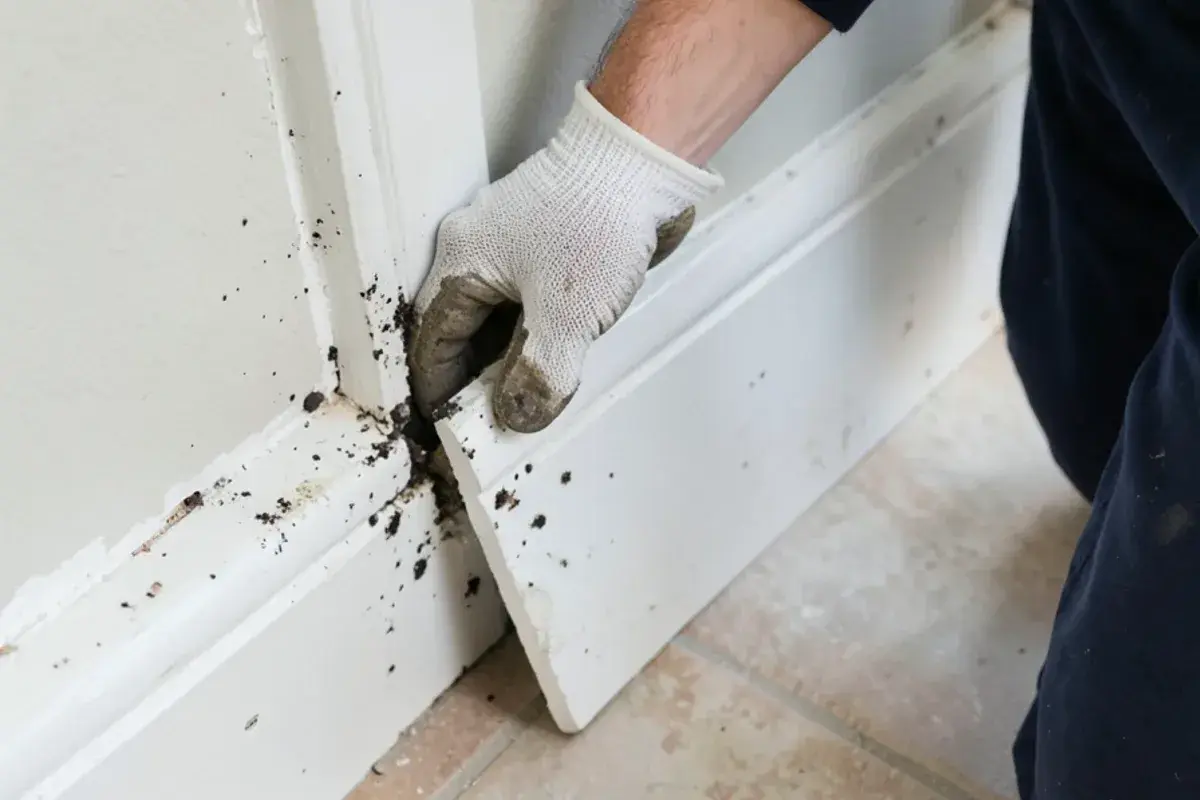
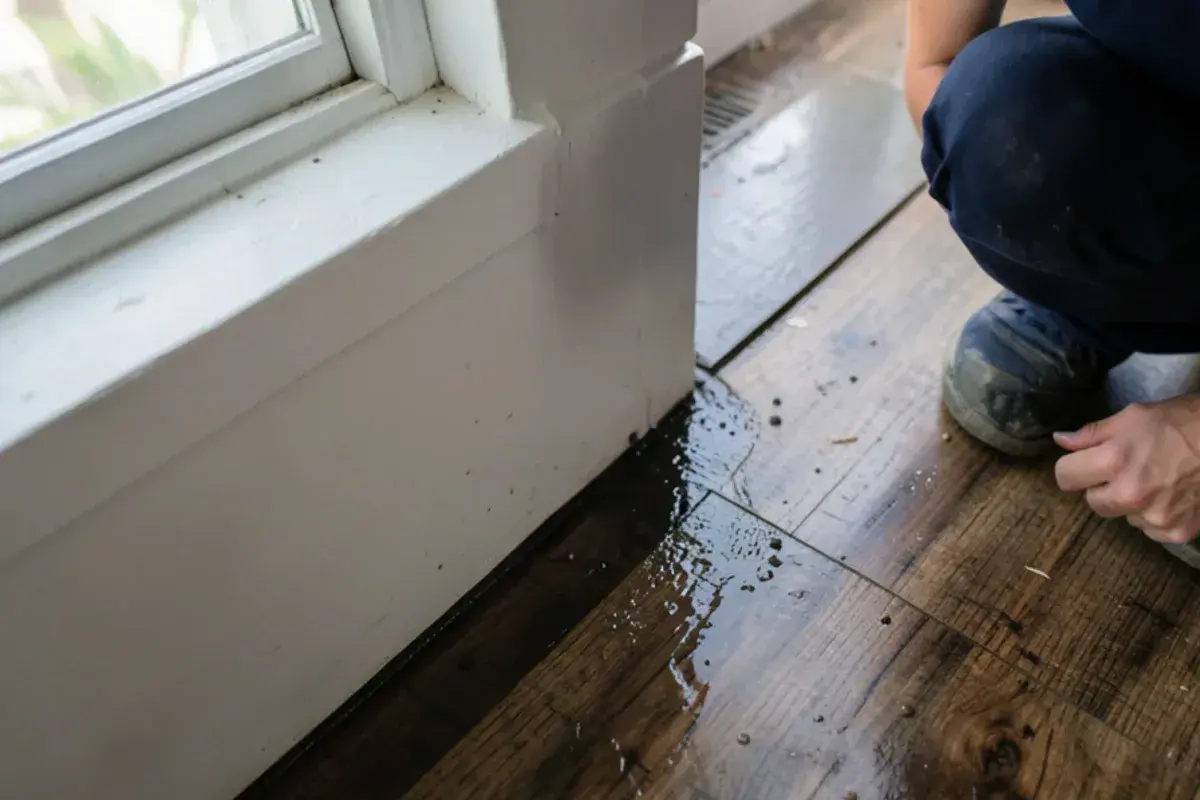
Three signs say growth may have started. A wet, earthy smell stays after the floor feels dry. Spots show on the back of a baseboard when it comes off. Drywall swells at the bottom edge, or paint lifts just above the floor. Any of these moves the job from prevention toward removal, so have the area metered before anyone repaints or reinstalls.
Why Open Windows Slow Drying in a Florida Summer
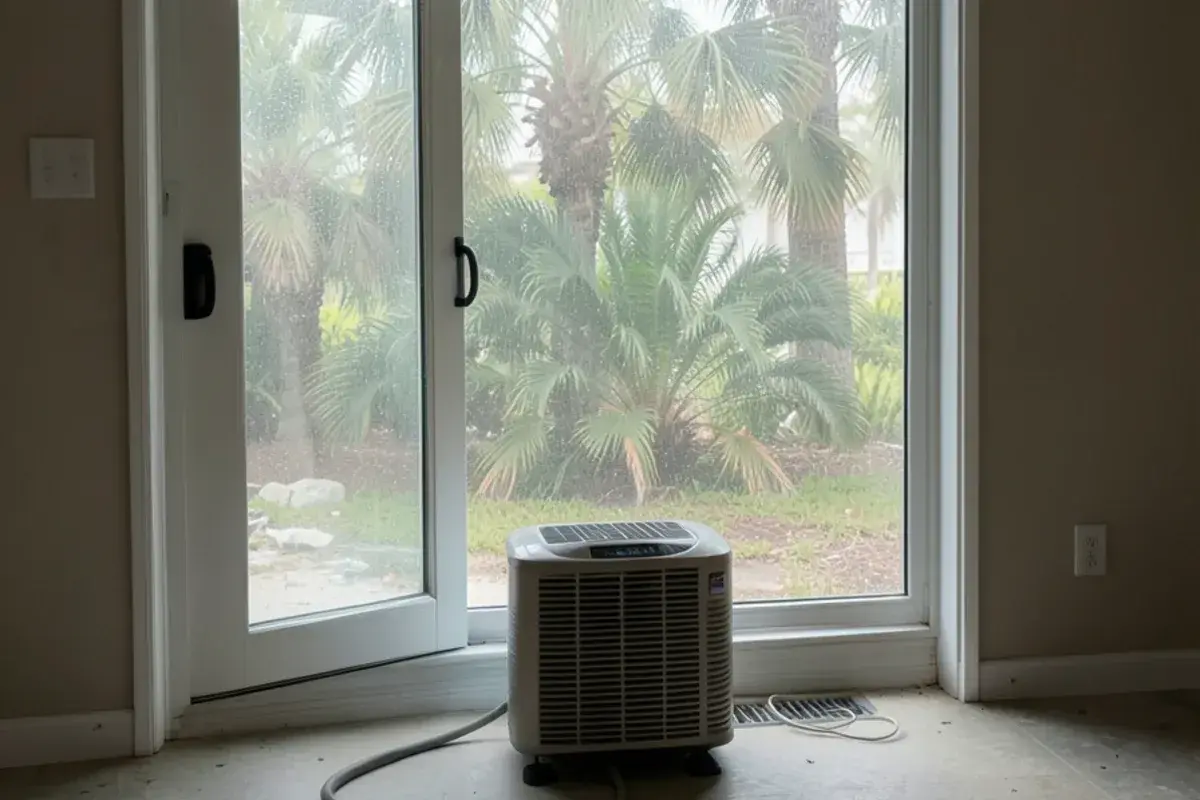
Keep the house closed. Outdoor air here is usually wet, so opening up lets moisture in faster than it leaves.
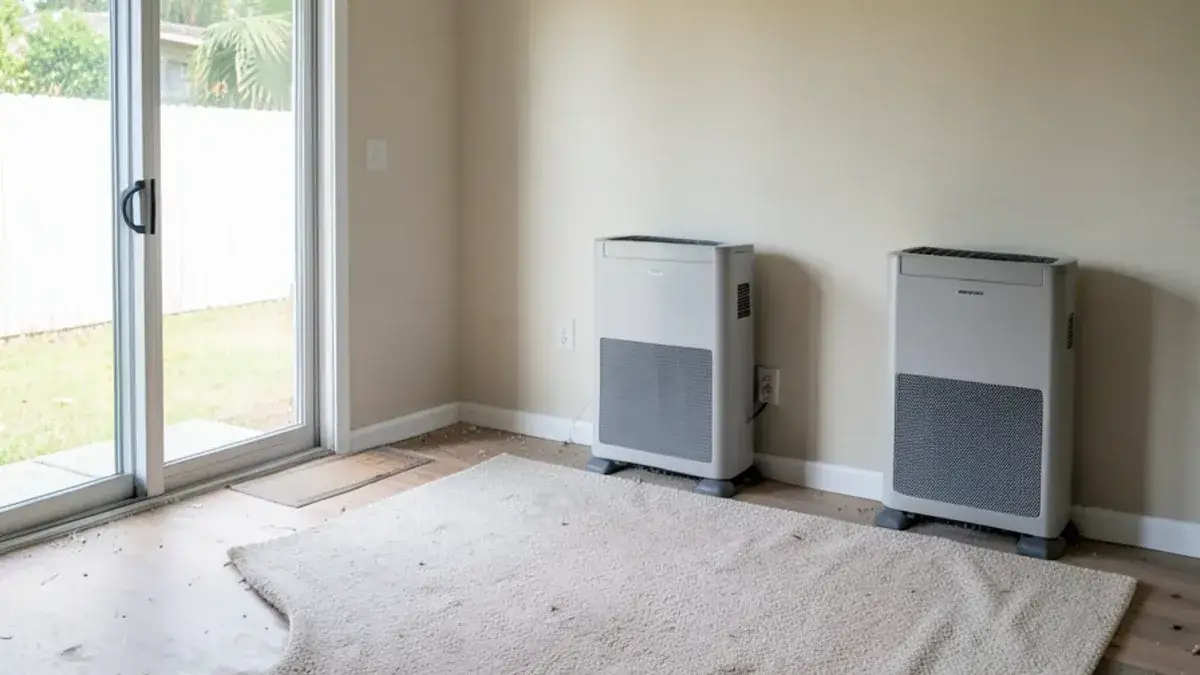
Rain falls here on about 116 days a year, adding up to about 50 inches, and August alone brings about 7.4 inches. That is why we run LGR dehumidifiers with the doors closed instead of depending on fans. Air movers lift water off a wall, and the dehumidifier takes it out of the room. Without the second step you are only moving damp air around.
Second homes are the worst case. A closed beach condo with the AC set high can hide a leak for weeks while the air inside stays warm and damp.
What to Do Before We Get There
Work down this list, and skip anything that feels unsafe.
- Stop the water at the fixture or main.
- Stay away from wet outlets and switch off the breaker only if you can reach it safely.
- Photograph every wet room before moving things.
- Lift rugs, papers and furniture off wet floors.
- Pull wet items out of closets.
- Mop up clean water with towels if it is safe.
- Keep windows closed if the AC system is dry and working.
Stay out of sewage or floodwater. Those are Category 3, and CDC and EPA advise keeping clear of contaminated water. Do not wait for an insurance decision before you stop the source. Note the date of loss, and call your insurer.
Water in the house now? Call before the wet materials settle in.
Open 24 hours for emergencies. Non-emergency calls are best between 7am and 7pm.
- 5.0 on Google, 8 reviews
- Family owned since 2020
- Calls go straight to the owner
- Free assessments and estimates
Request a free estimate
Not an emergency? Send the details and we will call you back. If water is still moving, call instead.
Dry It or Remove It: Material by Material
Some things dry well and others hold water too long. This is how we usually decide, though the water category can change every row.
| Material | Clean water, caught early | Wet too long or Category 3 |
|---|---|---|
| Drywall | Dry in place if firm | Flood cut above the wet line |
| Fiberglass insulation | Often removed | Remove |
| Carpet pad | Usually removed | Remove |
| Carpet | Often dried | Remove |
| Hardwood | Dry slowly, then reassess | Often replaced |
| Block and coquina | Dry in place, slowly | Clean, then dry |
| Tile on slab | Stays, check grout and edges | Clean and disinfect |
Removal costs more up front but ends the risk in that spot. Drying saves material, but only works if the readings prove it. See structural drying for how that part works.
When Drying Turns Into Mold Remediation
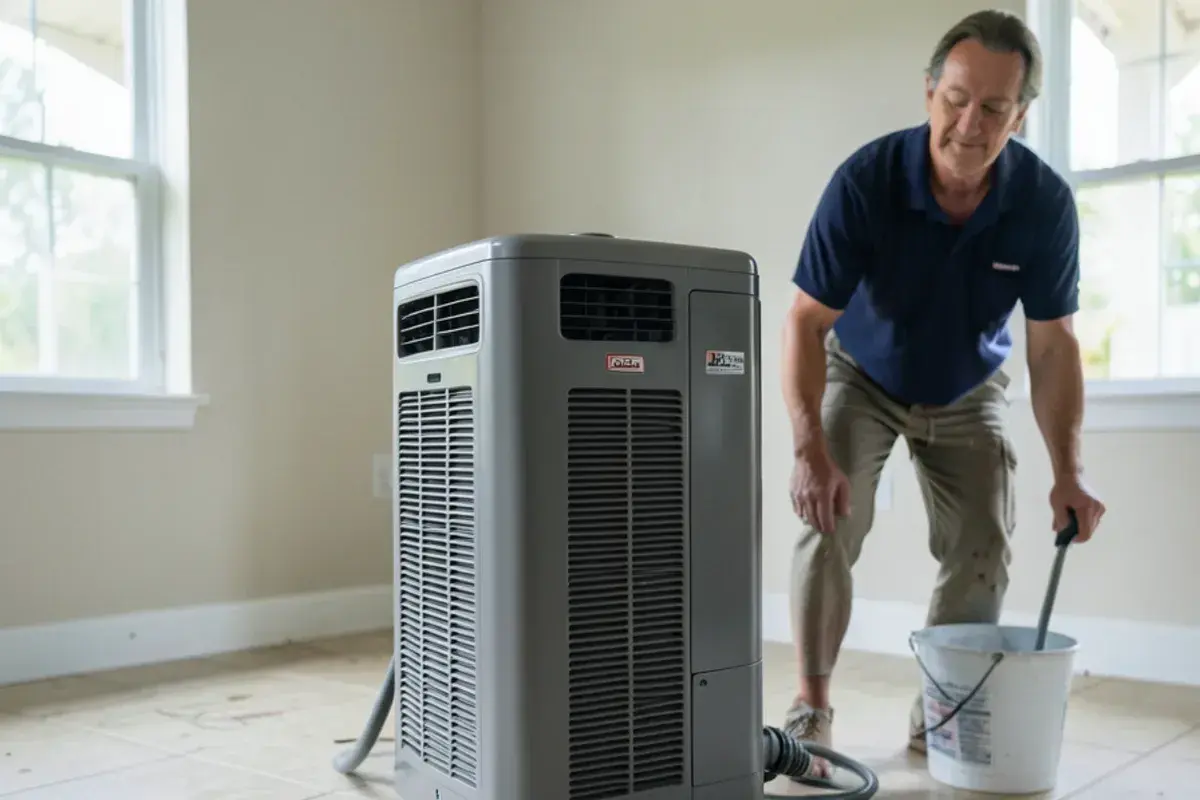
The job changes the moment growth is found. Water drying follows S500 as the reference standard, and mold work follows S520. Neither is a law. Containment and air filtration come in, and porous material with growth comes out.
Florida sets the legal line at 10 square feet. Beyond that, F.S. 468.8411 treats mold removal as remediation, and it requires a license from the Department of Business and Professional Regulation. Ask any company for its license number and check it on the DBPR site, ours included.
F.S. 468.8419 also separates the roles. An assessor may not remediate a structure it assessed in the last 12 months, and a remediator may not assess one it remediated, apart from certified Division I contractors. So we find moisture and scope visible growth, and we do not sell lab testing on a job we would remediate. Sampling comes from an independent licensed mold assessor.
If you are seeing spots now, read our full mold remediation page. If a musty smell is all you have, an inspection comes first.
From Extraction to Dry Standard, Day by Day
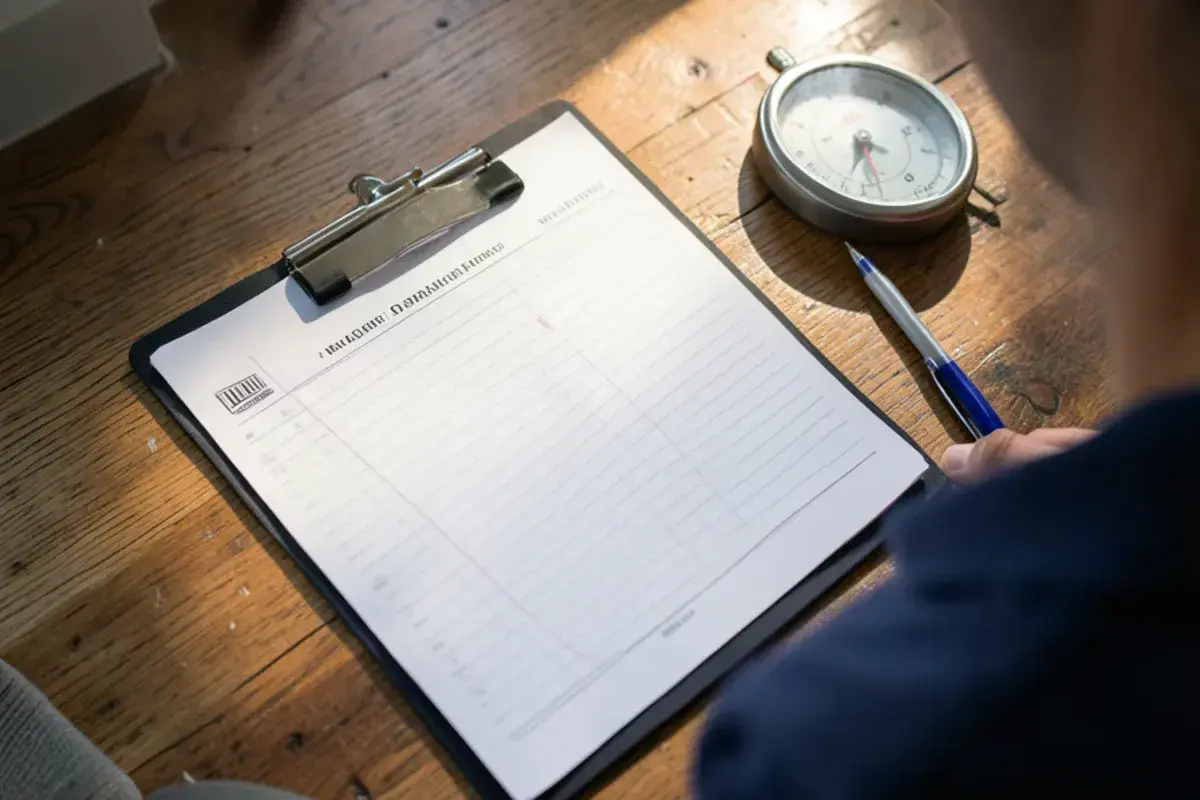
This is the sequence on most clean-water jobs. Timing depends on the materials and on the humidity that week.
- First visit. We extract standing water, take moisture meter and thermal imaging readings, build the moisture map and photograph damage before demolition.
- Early drying. Wet pad, baseboards and failed drywall come out, then air movers and LGR dehumidifiers start.
- Daily checks. We return for moisture readings, move equipment and log every point.
- Mold watch. Hidden areas opened during drying get checked for growth.
- Dry standard. Equipment leaves when affected materials match unaffected ones.
- Put-back. Drywall, paint and flooring get scoped and sequenced.
Do not close a wall because it feels dry. Close it when the numbers match.
What Mold Prevention Drying Includes
The goal is material that reaches the dry standard before growth starts, with a record showing it did. That takes more than equipment on a floor. Wall cavities, cabinet toe kicks and the underside of flooring all get checked, because that is where mold after water damage starts. Antimicrobial goes on where needed, never in place of drying.
- Extraction of standing water from floors and pad
- A moisture map of every wet wall, floor and ceiling
- Removal of what cannot dry in time
- Air movers and LGR dehumidifiers in closed rooms
- Daily readings logged against the dry standard
- A written scope before heavy work
Who Pays for Mold After a Leak?
That is a question for your policy, not for us. What gets paid is set by the policy wording and your adjuster, and mold terms vary between policies. Put those questions to your insurer, an attorney or a licensed public adjuster.
What we provide is the record: photos, moisture logs, equipment records and an itemized estimate. We can walk you through our own numbers line by line. Our assessment is free either way, whether or not you make a claim.
What Moves the Price in St. Augustine
Price depends on how long materials were wet, the water category, how much opens up and whether growth is present. Early calls are usually smaller jobs, simply because less has to come out.
Local conditions move it too. Block and coquina walls dry slowly, which adds equipment days. August humidity can do the same. A second home found weeks after the leak usually means more removal, and any visible growth adds containment. Our estimate shows each of these as its own line.
Why St. Augustine Homeowners Call Us First
- One call reaches the owner. Dal Beggs picks up, and emergencies are welcome any time.
- Numbers, not guesses. Daily readings show you when each room is really dry.
- Local and family run. Dal started the company here in 2020 and runs it with his son.
- Quick response. We know what the clock means in this climate.
- No pressure. We show up, assess the damage and give an estimate, and the decision stays yours.
We work across St. Johns County and nearby counties, from St. Augustine Beach to World Golf Village and up to Ponte Vedra Beach.
What customers say
5.0 stars on Google from 8 reviews. Quoted as written.
“Highly recommend Dal and his team at 1 Call Restoration - great locally owned company. We had a pipe burst that flooded parts of our home - it was such a stressful situation for our family. Dal and his team were amazing through the whole process. They helped us get everything cleaned up and even helped us as we worked with our insurance. Super thankful for their expertise, quality work, responsiveness, and professionalism.”
“I needed a second opinion on my water damage cleanup but about 5 minutes after Dal showed up I realized I should have contacted 1 Call FIRST. They immediately got to work drying out my house and explained everything so well which helped relieve so much of the anxiety I was feeling. The communication and work was all top notch. HIGHLY RECOMMEND!”
“Very impressive service. Dal and his team responded to our call immediately and were out the same day to begin the remediation process. Would highly recommend 1Call Restoration.”
Frequently asked questions
If I dried the leak with fans, am I safe from mold?
Not necessarily. Fans dry surfaces, but water inside a wall cavity, under a cabinet or beneath flooring can stay wet for days. In summer, a fan can also pull humid air through the room. A moisture meter gives the real answer by comparing the wet area with unaffected materials in the same home.
Can wet drywall be saved if we catch it early?
Often yes, with clean water and quick drying. Drywall touched by Category 1 water can usually dry in place if it is firm and the cavity can dry too. Drywall touched by Category 3 water comes out. Once it sags or shows growth, it goes, because mold can penetrate the paper and core.
How do I know if the mold started before you arrived?
We look at the back of baseboards, the bottom of drywall and any dark or fuzzy spots in the wet area, and we note how long the material was wet. If we see growth, we photograph and measure it, and the job moves from drying into mold work with containment. Nothing changes without your approval.
What about a vacation home that sat wet for weeks?
Treat it as a likely mold job, and go in carefully. A closed house with the AC off in a humid summer can show heavy growth by the time anyone finds the leak. Turn off the water, avoid running the air handler, photograph what you see from the doorway, and call us before anyone starts cleaning.
Does running the AC help prevent mold after a leak?
Sometimes. It can lower humidity, but do not run it if the air handler, ducts or return got wet, or if growth is already visible. Moving air through a wet duct can spread problems. Ask before turning it back on after a flood. On a drying job, LGR dehumidifiers and closed doors do the moisture work.
Dry it now and avoid the mold job. Call 1 Call Restoration.
Open 24 hours for emergencies. Non-emergency calls are best between 7am and 7pm.
- 5.0 on Google, 8 reviews
- Family owned since 2020
- Calls go straight to the owner
- Free assessments and estimates
1 Call Restoration, Saint Augustine, FL. (208) 464-4194.
Related services
Worth reading
Where we handle mold after water damage
See all of our service areas.